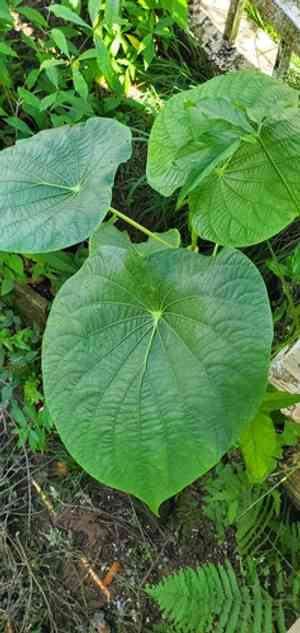
pariparoba (Piper peltatum)
Also known as: Monkey Peppershrub, Parasol Leaf
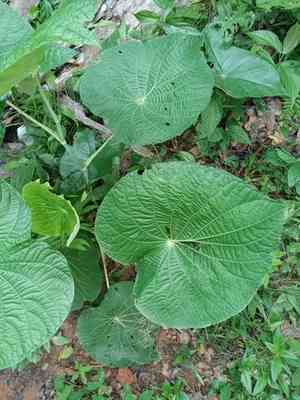
Pariparoba, a tropical herb, features large, heart-shaped leaves on long petioles. These leaves are characterized by pronounced venation and a shiny surface, aiding in the efficient capture of diffused light in dense forest undergrowth. Though its flowers are not particularly striking, they produce small berries, suggesting an adaptation for dispersal by rainforest animals.
In This Article
Attributes of pariparoba
Lifespan
Perennial
Plant Type
Herb
Plant Height
1-3 meters
Spread
1-2 meters
Leaf Color
Dark Green
Flower Size
0.2-0.5 cm
Flower Color
White or Pale Green
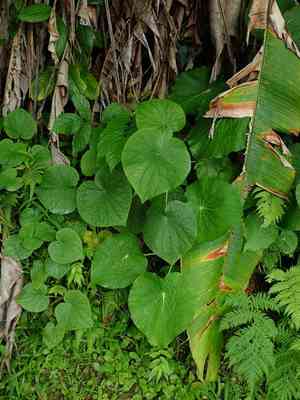
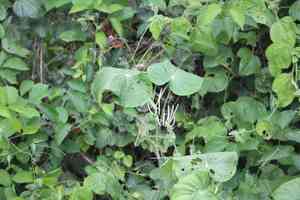
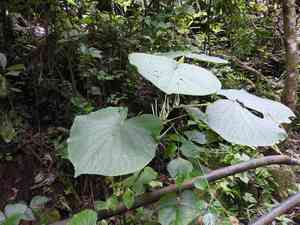
Images of pariparoba
Quickly Identify pariparoba
1
The plant can be identified by its distinctive peltate leaves that are large and round, with prominent veins. It typically has a shrubby appearance and may produce small, inconspicuous flowers.
Scientific Classification of pariparoba
Phylum
Vascular plants
Class
Dicotyledons
Order
Piperales
Family
Pepper
Genus
Pepper plants
Species
pariparoba
Planting and Growing of pariparoba
Care Difficulty
Moderate
Watering Schedule
Every 3 days
Sunlight Requirements
Partial sun
Sunshine Duration
4-6 hours
Ideal Temperature
65-75℉
Soil Type
Potting Mix, Peat Mix
Soil pH
6.5-7.5
Fertilizer Type
Balanced
Pruning Season
Spring, Summer
Pruning Area
Branches, Leaves
Pruning Frequency
2 times a year
Repotting Season
Spring
Pot Type
Terracotta, Plastic
 How to Water pariparoba?
When you water Piper peltatum, aim for about 250 milliliters each time. It's crucial to ensure that the soil is evenly moist but not soggy. Your watering should mimic a gentle rain shower, sufficient to reach the roots but not to flood them. The soil's top should start to dry out between waterings to prevent root rot.
What are the symptoms of an underwatered pariparoba?
›
What should I do if my pariparoba is not getting enough water?
›
What are the symptoms of an overwatered pariparoba?
›
How to save an overwatered pariparoba?
›
 What Are the Sunlight Requirements for pariparoba?
Partial sun with filtered light is ideal for Piper peltatum. Adequate dappled sun exposure promotes photosynthesis without causing leaf burn, ensuring a balance between light absorption and plant health.
Question: What is the best natural lighting situation for Piper peltatum?
›
Question: Does artificial lighting work for Piper peltatum, and how?
›
Question: How can seasonal changes affect the lighting for Piper peltatum?
›
 What Is the Ideal Temperature Range for pariparoba?
Piper peltatum thrives best in a controlled environment where the temperature consistently remains between 65°F and 75°F. This range mimics its natural habitat conditions, ensuring optimal growth and health. Maintaining these temperatures helps in proper metabolic functions and prevents stress.
 What Soil is Best for pariparoba?
Piper peltatum thrives in nutrient-rich soils that provide essential minerals for healthy growth. This type of soil boosts the plant’s ability to produce robust foliage and ensures optimal growth by supporting root development. The plant favors well-draining soils which prevent waterlogging and the risk of root rot. Such soils strike a balance between retaining moisture and allowing excess water to swiftly escape, ensuring healthy plant roots. While Piper peltatum enjoys moisture, it does not tolerate soggy conditions. The soil should maintain a moderate moisture level, which supports consistent growth without overwhelming the plant’s root system.
 How to Fertilize pariparoba?
For Piper peltatum, the key is moderation. Use a balanced liquid fertilizer diluted to half strength, approximately 50 ml per watering. For slow-release granules, apply roughly 20 grams per plant, ensuring even distribution across the root zone to promote steady and healthy growth.
 How to Prune pariparoba?
Begin by identifying the stems or branches that need trimming back for shape or health. Use sharp, clean pruning scissors to cut back any dead, diseased, or overly leggy stems. Prune just above a node or bud to encourage new growth. Aim to remove no more than one-third of the plant's volume during any single pruning session. Doing so helps the plant recover faster and maintain balance.
More About Pruning Techniques→
 How to Propagate pariparoba plant?
1
Choose healthy plant stems for cuttings, ensuring they are disease-free and show signs of vigorous growth. For division, select mature plants with multiple stems.
2
Cut 6-8 inch long sections from healthy stems with a clean cut. Remove any leaves near the bottom, leaving two or three at the top to minimize water loss.
3
Dip the cut end of each cutting into rooting hormone, then place them into a well-draining potting mix. Firm the soil around the cutting and water lightly.
 How to Repot pariparoba plant?
1
Piper peltatum should be repotted when its roots start pushing out of the drainage holes or when the plant experiences slow growth, a signal of increased root congestion. Spring and early summer provide the ideal warmth and daylight conditions for the plant to adapt to a new potting environment effectively.
2
Select a pot that's one size larger than the current one with ample drainage holes. A pot made of porous materials like terracotta helps prevent overwatering by allowing moisture to evaporate efficiently while promoting healthy root breathing.
3
Opt for a rich, well-draining potting mix with added organic matter. The inclusion of peat, perlite, or coconut coir ensures good aeration and moisture retention, which is crucial to prevent waterlogging and support the vibrant growth of your Piper peltatum.
Toxicity
Ingestion, contact with skin or mucous membranes
WARNING
The judgment on toxicity and danger is for reference only. We DO NOT GUARANTEE any accuracy of such judgment. Therefore, you SHALL NOT rely on such judgment. It is IMPORTANT TO SEEK PROFESSIONAL ADVICE in advance when necessary.
Learn More About pariparoba Diseases
Anthracnose
Bacterial Leaf Spot
Bacterial Soft Rot
Bacterial Wilt
Damping-off
Downy Mildew
Drought Stress
Fusarium Wilt
Gray Mold
Leaf Curl
Leaf Spot
Mosaic
Nutrient Deficiency
Nutrient Toxicity
Powdery Mildew
Root Rot
Root-knot Nematode
Sooty Mold
Spider Mites
Temperature Stress
Thrips Damage
White Mold



