How to Prune Minor smartweed?
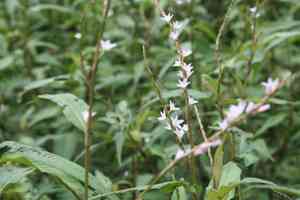
Polygonum minus, recognized for its abundant leaves and compact flower groupings, thrives with consistent trimming to preserve its form and stimulate robust development. Perform pruning during spring, summer, and autumn to control its dimensions and eliminate any lifeless or ailing limbs. Refrain from extensive pruning, as this might cause stress to the plant. Regular trimming fosters air movement, refines its look, and boosts flowering. Always employ sanitized, keen implements to avert pathogen transmission and guarantee precise incisions.
What Are the Benefits of Pruning Minor Smartweed?
What Are the Benefits of Pruning Minor Smartweed?
Trimming minor smartweed promotes robust development and helps maintain its form. Regular cutting encourages healthy growth while preventing illness and insect infestations. It improves air flow and light penetration, boosting the plant's vigor and look.
What Is the Best Time for Pruning Minor Smartweed?
What Is the Best Time for Pruning Minor Smartweed?
Pruning minor smartweed in Spring, Summer, and Fall aligns with its active growth phases. During these periods, the plant recovers better from cutting due to its strong growth cycle. Spring pruning allows for shaping and removing winter-damaged stems, encouraging new healthy growth. Summer pruning manages size and promotes branching, while Fall pruning prepares the plant for dormancy by removing dead or diseased parts, helping it conserve energy for the next season. Avoid winter pruning to prevent cold stress damage and ensure natural dormancy.
What Tools Do I Need to Prune Minor Smartweed?
Hand Pruners
Hand pruners are perfect for cutting and trimming the stems and leaves of minor smartweed. Their accuracy ensures clean cuts, which supports the plant's health and encourages new growth.
Bypass Pruners
Bypass pruners are ideal for making clean cuts on green, living stems of minor smartweed. They help prevent tissue crushing, minimizing damage and reducing disease risk.
Garden Shears
Garden shears can be used for general shaping and trimming larger sections of minor smartweed. They are useful for controlling the plant's size and shape, which is important given its growth habit.
Loppers
Loppers are suitable for cutting thicker stems of minor smartweed. Their long handles provide leverage, making it easier to cut through tough, woody stems if necessary.
How to Prune Minor Smartweed
Observation
Carefully examine minor smartweed to identify any withered leaves that require removal. Look for leaves that are brown, yellow, or drooping.
Tool selection
Choose sharp, sterilized pruning shears or scissors to ensure clean cuts without harming healthy parts of the plant.
Cut technique
Make precise cuts at the base of the withered leaves, close to the stem, without cutting into healthy tissue. Ensure each cut is clean to prevent damage and disease.
Removal
Gently remove the pruned withered leaves from the plant and surrounding area to prevent the spread of any potential diseases or pests.
Disposal
Dispose of the pruned leaves properly, preferably by composting them if they are disease-free, or discarding them in yard waste if they are diseased.
Common Pruning Mistakes with Minor Smartweed
Over-pruning
Removing too much foliage can stress minor smartweed, reducing its ability to photosynthesize and recover quickly.
Improper cutting angles
Cutting branches and stems at incorrect angles can lead to water accumulation and increased risk of disease.
Pruning too frequently
Excessive pruning sessions can stunt the growth of minor smartweed and diminish its flowering potential.
Neglecting dead or damaged parts
Failing to remove dead or diseased parts can allow issues to spread, weakening the overall health of minor smartweed.
Ignoring the overall shape
Not considering the natural growth pattern can result in an unbalanced, unsightly appearance and poor air circulation within minor smartweed.
Common Pruning Tips for Minor Smartweed
Use sharp, clean tools
Always use clean, sharp pruning shears to make precise cuts, which helps prevent infections.
Inspect the plant first
Thoroughly inspect minor smartweed for any dead, damaged, or diseased stems before starting your pruning session.
Cut at a 45-degree angle
Make cuts at a 45-degree angle away from the bud to promote healthy regrowth and avoid water accumulation on the cut surface.
Remove no more than one-third
To avoid over-stressing minor smartweed, never remove more than one-third of the plant’s growth at one time.
Follow the natural shape
Prune minor smartweed in a way that follows its natural growth pattern, ensuring a balanced shape and good air circulation.



