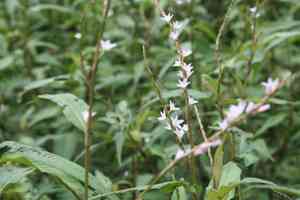
Minor smartweed (Persicaria minor)
Also known as: Least water pepper, Small persicaria
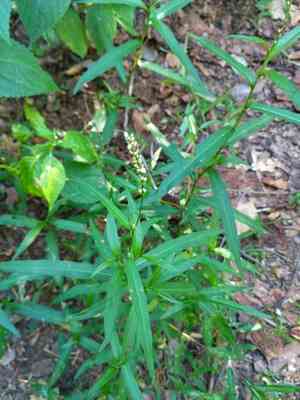
The plant you are describing sounds like Minor Smartweed (Persicaria minor). This small, creeping herb is known for its heart-shaped leaves adorned with a distinctive reddish-brown V-shaped pattern. It flourishes in moist, shaded areas, often creating dense mats with its thin stems. In summer, it produces tiny, pinkish flowers that stand out against the darker foliage, drawing in pollinators and showcasing its ability to adapt and thrive in various environments.
In This Article
Attributes of Minor smartweed
Lifespan
Annual
Plant Type
Herb
Plant Height
15 cm to 36 cm
Spread
Not applicable
Leaf Color
Green, often with a reddish tinge
Flower Size
2-3 mm
Flower Color
White Red
Images of Minor smartweed
Quickly Identify Minor smartweed
1
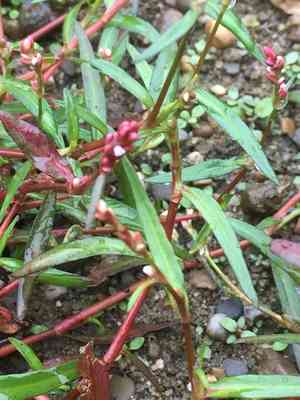
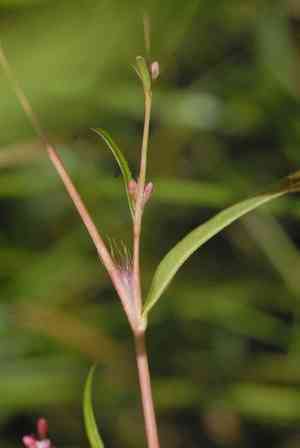
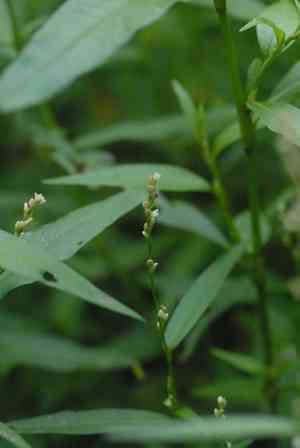
The plant can be identified by its lance-shaped leaves, which often have a reddish tinge and a distinctive papery sheath at the base. The small, delicate flowers are usually pink or white and grow in dense clusters.
Scientific Classification of Minor smartweed
Phylum
Vascular plants
Class
Dicotyledons
Order
Caryophyllales
Family
Buckwheat
Genus
Persicaria
Species
Minor smartweed
Planting and Growing of Minor smartweed
Care Difficulty
Easy
Watering Schedule
Every 8 days
Sunlight Requirements
Partial sun
Sunshine Duration
4-8 hours
Ideal Temperature
73-86℉
Soil Type
Potting Mix, Peat Mix
Soil pH
6.5-7.5
Fertilizer Type
Balanced
Pruning Season
Spring, Summer
Pruning Area
Branches, Leaves
Pruning Frequency
2 times a year
Repotting Season
Spring
Pot Type
Plastic, Ceramic
 How to Water Minor smartweed?
For Persicaria minor, it is crucial to maintain the soil consistently moist but not waterlogged. Each watering session should involve using about 200 milliliters of water, ensuring the moisture reaches the plant's roots but does not leave any standing water. The soil should feel damp to the touch at a few centimeters below the surface.
What are the symptoms of an underwatered Minor smartweed?
›
What should I do if my Minor smartweed is not getting enough water?
›
What are the symptoms of an overwatered Minor smartweed?
›
How to save an overwatered Minor smartweed?
›
 What Are the Sunlight Requirements for Minor smartweed?
Partial sun is ideal, balancing leaf health. Proper lighting enhances chlorophyll production, crucial for photosynthesis, and results in lush, green, and resilient foliage, strengthening overall plant health.
What is the ideal amount of sunlight?
›
How to achieve the optimal lighting?
›
What benefits come from ideal lighting?
›
 What Is the Ideal Temperature Range for Minor smartweed?
Persicaria minor thrives best within a temperature range of 73°F to 86°F. Within this range, the plant can effectively carry out metabolic processes, resulting in optimal growth and development. Maintaining temperatures within this range ensures robust foliage and overall plant health.
 What Soil is Best for Minor smartweed?
Persicaria minor thrives in nutrient-rich soil as it supports robust growth and enhances the plant’s natural flavor and aroma. Using organic compost will provide the necessary nutrients and improve soil structure. This plant prefers well-drained soil to prevent root rot. Ensuring proper drainage helps avoid waterlogging, which can lead to root diseases and poor plant health. Consistent moisture in the soil is crucial for the flourishing of Persicaria minor. Soil that retains moisture without being soggy aids in maintaining its lush greenery.
 How to Fertilize Minor smartweed?
For Persicaria minor, the appropriate fertilizer amount depends greatly on the season and growth phase. During active growth, use about half the recommended dosage on the fertilizer package to start. Gradually increase to the full recommendation as needed, based on plant response. Avoid over-fertilizing as it can cause nutrient burn.
 How to Prune Minor smartweed?
Before pruning, observe the plant for its natural growth habit. Aim to maintain its form while encouraging a more compact shape. Remove crossing branches that crowd the center to increase light penetration and air circulation. After pruning, ensure the plant receives adequate water, especially if you’ve removed a significant amount of foliage. Monitor for signs of stress like wilting or leaf drop, and adjust watering schedules to promote recovery.
More About Pruning Techniques→
 How to Propagate Minor smartweed plant?
1
Collect seeds from mature plants in late summer. Ensure seeds are dry and free from pests or fungus. Store the seeds in a cool, dry place until ready for planting.
2
Cut healthy sections of the plant approximately 10-15 cm in length. Strip away the leaves from the lower half. Dip the cut tip in rooting hormone before planting in a suitable medium.
3
Divide the root clumps of a mature plant in early spring. Ensure that each division has a good amount of roots attached. Replant immediately into suitable soil ensuring appropriate spacing.
 How to Repot Minor smartweed plant?
1
Repotting Persicaria minor should be considered when you observe roots circling at the pot's base or when growth seems stunted. An increase in watering frequency due to fast-drying soil can also be a signal the plant has outgrown its container.
2
Select a pot that is 1-2 inches larger in diameter than the current one. Ensure it has drainage holes to prevent root rot. A slightly larger pot encourages incremental growth without overwhelming the plant, promoting healthy root development.
3
Opt for loamy, well-drained soil with a bit of organic matter. This type of soil promotes good drainage while retaining essential nutrients, crucial for Persicaria minor's healthy growth. It mimics the plant's natural environment, preventing waterlogged conditions.



