How to Prune Early paspalum?
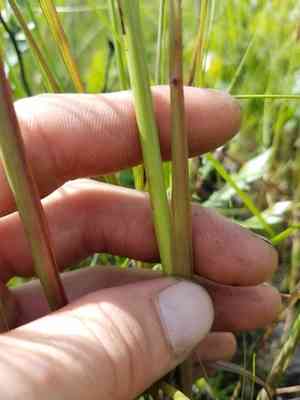
Paspalum, an early-season grass known for its clustered structure and swift development, thrives with periodic trimming to sustain its vitality. The most effective times for pruning are in early spring and during winter, facilitating strong regeneration and managing its form. Cut back to the ground level to eliminate any deceased or frail stalks, thereby improving air movement and lowering the chances of illness. Regular trimming boosts its general well-being and aesthetic appeal, guaranteeing sturdy development in subsequent periods.
What Are the Benefits of Pruning Early Paspalum?
What Are the Benefits of Pruning Early Paspalum?
Trimming early paspalum promotes vigorous growth by eliminating dead or overgrown sections. This maintains its form, manages its size, and boosts its health, improving air circulation and light exposure, which can deter pests and diseases.
What Is the Best Time for Pruning Early Paspalum?
What Is the Best Time for Pruning Early Paspalum?
Pruning early paspalum during early spring and winter is optimal as it coincides with the plant's dormant phases or just prior to new growth. Early spring pruning encourages robust development as the plant enters its active growing season, enhancing overall vitality and structure. Winter pruning ensures the plant doesn't expend energy on new growth, minimizing stress and potential harm, while also providing clearer visibility of its structure. This timing also helps prevent the spread of diseases and pests that are more active in warmer months.
What Tools Do I Need to Prune Early Paspalum?
Hand Pruners
Perfect for making precise cuts on smaller stems, crucial for shaping and maintaining early paspalum.
Pruning Shears
Useful for efficiently trimming small branches and foliage, ensuring accurate cuts for optimal regrowth.
Loppers
Suitable for reaching deeper parts of dense clumps and cutting thicker stems that hand pruners cannot manage.
Grass Shears
Ideal for detailed trimming work around the base and densely growing areas, providing a tidy appearance.
Gloves
Essential for protecting hands from rough stems and ensuring a firm grip on tools.
How to Prune Early Paspalum
Inspect
Carefully examine early paspalum to identify any diseased or withered leaves that require removal.
Clean Tools
Ensure your pruning shears or scissors are clean and sterilized to prevent disease transmission.
Trim Diseased Leaves
Cut off any diseased leaves close to the stem's base, making sure to remove the entire affected area.
Trim Withered Leaves
Remove withered leaves by trimming them at the base where they connect to the main stem.
Dispose
Properly dispose of the trimmed diseased and withered leaves to prevent the spread of pathogens to healthy parts of early paspalum.
Common Pruning Mistakes with Early Paspalum
Improper Technique
One of the most frequent errors is using dull or dirty pruning tools. This can result in jagged cuts that expose the plant to diseases.
Over-pruning
Removing too much foliage at once can weaken early paspalum, making it less able to photosynthesize and more vulnerable to stress.
Cutting at the Wrong Angle
Incorrect cutting angles can damage the plant's structure and impede its ability to heal smoothly.
Common Pruning Tips for Early Paspalum
Use Sharp, Clean Tools
Ensure your tools are sharp and sterilized to make clean cuts that minimize damage to early paspalum.
Prune Moderately
Remove no more than one-third of early paspalum's foliage during a single pruning session to avoid undue stress.
Cut at a 45-Degree Angle
Make cuts at a 45-degree angle, which promotes quicker healing and reduces the chance of water pooling on the cut surface.
Target Dead or Diseased Growth
First, focus on removing any dead or diseased stems and foliage to promote overall plant health.
Encourage Shape and Airflow
Thin out crowded areas to improve airflow and light penetration, which enhances the health and vigor of early paspalum.



