How to Propagate Early paspalum?
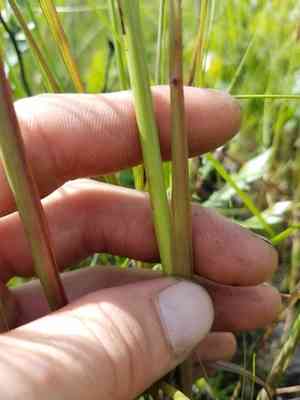
Predominantly located in damp environments such as swamps and riparian zones, early paspalum is a resilient grass variety recognized for its clustered growth pattern. For effective propagation, employing division yields optimal outcomes. Gently divide the clusters, making certain each segment possesses sufficient root structure. Immediately replant in humid substrates to encourage successful rooting. Due to its affinity for moist surroundings, steady hydration is essential.
What Is the Best Time To Propagate Early Paspalum?
Propagation Type
Splitting
Propagation Season
Spring,Autumn
What Tools Are Used in Early Paspalum Propagation?
Sharp Spade
A keen-edged spade is essential for dividing early paspalum. It aids in cleanly and efficiently separating root clumps without causing excessive harm to the roots. Clean cuts decrease the likelihood of infection and ensure the sections remain viable.
Hand Trowel
A hand trowel assists in carefully digging around early paspalum's roots, allowing for precision during the division process. It is particularly useful for smaller plants or delicate root systems.
Pruning Shears
Pruning shears are utilized to trim back foliage and roots, if necessary, before and after division. This guarantees balanced growth and lessens stress on the divided sections, encouraging quicker establishment.
Rooting Hormone
Applying rooting hormone to the divided sections of early paspalum can boost root development. This aid is beneficial in ensuring that new divisions establish themselves rapidly and grow robust roots.
Spray Bottle
A spray bottle is important for keeping the divided plants moist during the propagation process. Maintaining appropriate moisture levels is crucial for preventing desiccation and ensuring successful establishment.
Plant Labels
Using plant labels can help keep track of divided sections, ensuring proper identification and monitoring during the growth phase. This is particularly useful when dividing multiple plants.
Gloves
Gloves protect hands from injury while handling sharp tools and dealing with soil. Proper protection ensures the propagator can work efficiently without risking cuts or abrasions.
How to Propagate Early Paspalum?
Propagation Type
Simple
How to Care for Your Newly Propagated Early Paspalum?
How to Care for Your Newly Propagated Early Paspalum?
After propagating early paspalum, provide consistent moisture but avoid waterlogging. Apply a balanced fertilizer to promote growth. Monitor for pests and diseases, and provide ample sunlight. Mulch around the base to retain moisture and suppress weeds. Regularly check the soil moisture and adjust watering practices as needed to ensure healthy growth.
Common Mistakes to Avoid When Propagating Early Paspalum
Insufficient light
Providing too little light can lead to weak, spindly seedlings. Early paspalum requires ample sunlight to thrive.
Overwatering
Excessive watering can cause root rot, which can be fatal. Ensure soil is well-draining and avoid waterlogged conditions.
Improper soil
Using heavy or nutrient-deficient soil can hinder root development and overall plant health. Early paspalum prefers well-draining, fertile soil.
Neglecting spacing
Planting too closely together can lead to overcrowding, reducing air circulation and increasing susceptibility to diseases.
Ignoring pest control
Failing to monitor for pests can lead to infestations that damage young plants. Regular inspection and prompt action are crucial.
Tips For Propagating Early Paspalum
Use quality seeds
Start with fresh, high-quality seeds to ensure better germination rates and healthier plants.
Optimal watering
Water seedlings lightly but consistently. Ensure the soil remains moist but not saturated.
Proper soil mix
Utilize a well-draining soil mix enriched with organic matter. This supports strong root growth and overall plant health.
Ensure adequate sunlight
Place the plants where they can receive plenty of natural light, ideally in an area with full sun exposure.
Spacing
Maintain adequate spacing between plants to promote healthy growth and reduce the risk of disease spreading.



