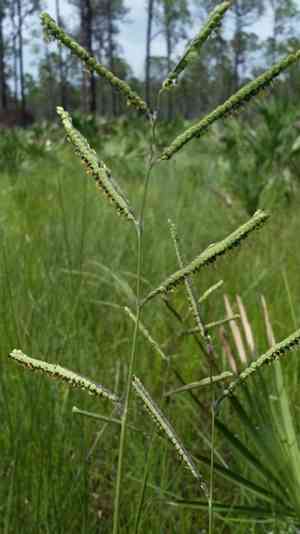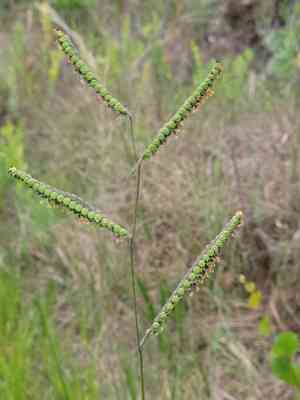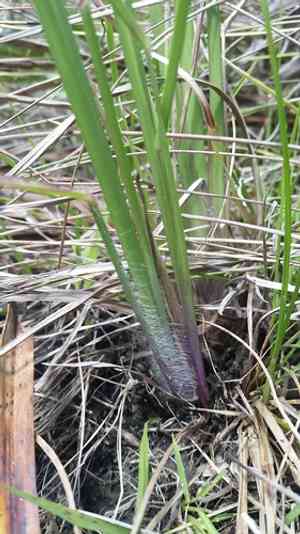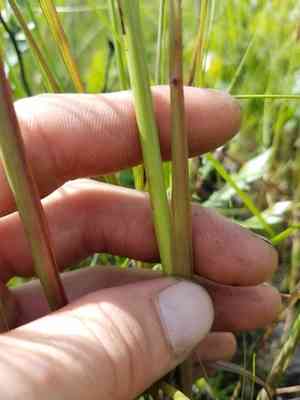
Early paspalum(Paspalum praecox)

Early paspalum (Paspalum praecox)

Also known as: Early Paspalum

Early paspalum (Paspalum notatum) is a warm-season grass known for its resilience and adaptability. Here are its key characteristics and benefits:

**Characteristics:**
1. **Growth Habit:** Forms a dense, low-growing sod that effectively suppresses weeds.
2. **Leaf Structure:** Features slender, elongated leaves that maintain a vibrant green color throughout the growing season.
3. **Flowering:** Notable for its early flowering, producing small, spike-like inflorescences.
4. **Sunlight Requirement:** Thrives in open, sunny areas, making it ideal for various landscapes.
5. **Soil Stabilization:** Excellent for soil stabilization due to its robust root system.

**Benefits:**
1. **Drought Resistance:** Highly drought-tolerant, making it suitable for arid regions.
2. **Erosion Control:** Its dense growth habit and extensive root system make it effective in preventing soil erosion.
3. **Low Maintenance:** Requires minimal mowing and fertilization, reducing upkeep efforts.
4. **Durability:** Handles heavy foot traffic well, making it suitable for lawns, parks, and sports fields.
5. **Environmental Benefits:** Efficient in water usage and naturally resistant to many pests and diseases.

Early paspalum is a practical choice for warm climates due to its hardiness, minimal maintenance needs, and environmental advantages.

Attributes of Early paspalum

Lifespan
Perennial
Plant Type
Grass
Plant Height
30-100 cm
Spread
N/A
Leaf Color
Green
Flower Size
N/A
Flower Color
Greenish

ForwardPlant - Identify plants with a snap

Identify and diagnose plants, get toxicity alerts, and explore safety guides for all types of fungi.

Try for Free

Images of Early paspalum

Early paspalum(Paspalum praecox)

Quickly Identify Early paspalum

1
Paspalum praecox can be identified by its tufted growth habit, upright culms, and narrow, elongated leaves. The inflorescence is typically a raceme with paired spikelets, which helps to distinguish it from other grasses.

Scientific Classification of Early paspalum

Phylum
Vascular plants
Class
Monocotyledons
Order
Poales
Family
Grass
Genus
Paspalum
Species
Early paspalum

Planting and Growing of Early paspalum

Care Difficulty
Easy
Watering Schedule
Every 3 days
Sunlight Requirements
Full sun
Sunshine Duration
4-6 hours
Ideal Temperature
68-86℉
Soil Type
Potting Mix, Peat Mix
Soil pH
6.5-7.5
Fertilizer Type
Balanced
Pruning Season
Spring, Summer
Pruning Area
Branches, Leaves
Pruning Frequency
2 times a year
Repotting Season
Spring
Pot Type
Plastic, Ceramic

water icon How to Water Early paspalum?

When watering Paspalum praecox, aim for approximately 250 milliliters per session. Make sure the soil is moistened thoroughly, but avoid turning it into a swamp. This plant prefers the soil to be slightly dry between waterings, ensuring proper drainage and aeration. The key is to maintain a balance to allow the roots to breathe while providing enough moisture.
What are the symptoms of an underwatered Early paspalum? ›
What should I do if my Early paspalum is not getting enough water? ›
What are the symptoms of an overwatered Early paspalum? ›
How to save an overwatered Early paspalum? ›

sunlight icon What Are the Sunlight Requirements for Early paspalum?

Sunlight Requirements: Full sun, Partial sun
Duration of light: 6 to 8 hours
For optimal growth, Paspalum praecox benefits from full sun to partial shade, with an ideal mix ensuring vigorous photosynthesis and healthy development. Adequate lighting supports lush foliage and potentially improved seed yield.
What kind of sunlight does Paspalum praecox prefer? ›
How can I ensure that Paspalum praecox receives enough light? ›
What are the benefits of providing ideal lighting conditions? ›

temperature icon What Is the Ideal Temperature Range for Early paspalum?

Ideal Temperature: 68 ~ 86℉
What is the ideal temperature range for Paspalum praecox? The ideal temperature range for Paspalum praecox is between 68°F and 86°F. This range supports optimal growth and ensures that the plant thrives. Maintaining temperatures in this range will help the plant to grow well without any temperature-induced stress.

soil icon What Soil is Best for Early paspalum?

Soil type: Loam, Sandy loam, Sand soil
Soil PH: 6.5 ~ 7.5
Paspalum praecox thrives best in well-draining soils, as this prevents waterlogging that could damage roots. This requirement ensures the roots have adequate oxygen and prevents fungal diseases. This plant prefers soil with moderate fertility. While it does not need excessive nutrition, enough organic matter content supports healthy growth and prolonged vitality. A pH of 6.5 to 7.5 suits Paspalum praecox well, facilitating nutrient availability and root function. This range helps in avoiding nutrient lockout and ensures the plant remains healthy.

fertilize icon How to Fertilize Early paspalum?

Fertilizer type: Balanced
For Paspalum praecox, it's crucial to use a balanced fertilizer with N-P-K proportions like 10-10-10 or 14-14-14. One should apply about 1 to 2 pounds per 1000 square feet per application to ensure the plant receives adequate nutrients without the risk of nutrient burn.

prune icon How to Prune Early paspalum?

Pruning Time: Spring, Summer, Autumn
Be cautious of seed heads that form. Remove them promptly if you wish to control the spread and maintain a tidy appearance of your lawn. After pruning, ensure the plant receives adequate water. Pruning can be stressful, and replenishing moisture aids quick recovery and continuous growth. More About Pruning Techniques→

propagate icon How to Propagate Early paspalum plant?

Propagate Time: Spring, Early summer
1
Gather seeds from mature Paspalum praecox plants during late summer or early autumn. Ensure that seeds are collected from healthy plants to maintain genetic quality. Store seeds in a cool, dry place until you're ready to plant them.
2
Prepare a well-draining soil mix suitable for grass species, such as a combination of sand and organic compost. The soil should be slightly acidic to neutral. Proper soil preparation ensures that seedlings have optimal conditions for root development and nutrient uptake.
3
In spring, dig up mature Paspalum praecox clumps and gently separate them using your hands or a spade. Ensure that each division has a healthy root system. Replant divisions promptly to avoid drying out the roots and water thoroughly after replanting.
More About Propagating Techniques→

repot icon How to Repot Early paspalum plant?

Repotting frequency: Every two years
1
You know it's time to repot Paspalum praecox when the roots start growing out of the drainage holes or when the plant's growth slows down noticeably. Early spring or summer is optimal as the plant is actively growing and will recover quicker.
2
Select a pot that is one to two inches larger in diameter than the current one. This provides enough room for root expansion without overwhelming the plant and becoming waterlogged. A pot with drainage holes is essential to prevent root rot.
3
Opt for a well-draining sandy mix to mimic its natural habitat. This will help improve aeration and prevent water retention, crucial for healthy root development and preventing diseases associated with excessive moisture.

ForwardPlant - Identify plants with a snap

Find the best spots for them to optimize their health, simply using your phone.

Try for Free