How to Prune Broadleaf panicum?
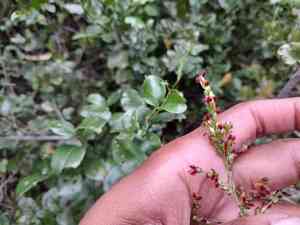
A resilient grass recognized for its vigorous development, broadleaf panicum flourishes in diverse environments. Trim broadleaf panicum in the latter part of winter or early spring prior to the emergence of new foliage. Reduce the entire cluster to several inches above the soil surface to stimulate new stems. Reducing crowded sections improves air circulation, diminishes illness, and sculpts the plant. Consistent cutting sustains vitality, manages expansion, and elevates the plant's visual appeal. Be careful to prevent excessive pruning, which can cause stress to broadleaf panicum.
Advantages of Trimming Broadleaf Panicum
Advantages of Trimming Broadleaf Panicum
Trimming broadleaf panicum promotes vigorous development and maintains its desired shape. By selectively removing parts, gardeners foster healthier, more robust plants and manage their size for visual appeal and spatial balance in the landscape.
Optimal Time for Trimming Broadleaf Panicum
Optimal Time for Trimming Broadleaf Panicum
The best trimming periods for broadleaf panicum, Early spring and Late winter, are selected based on the plant's dormant phase and preparation for the upcoming growth cycle. During these times, broadleaf panicum is typically not actively growing, which lessens plant stress and the chance of disease spread through cuts. Trimming in Late winter helps remove any dead or damaged foliage before new growth starts, and Early spring trimming allows gardeners to shape the plant and control its size effectively as it prepares for active growth. Additionally, cutting broadleaf panicum during these ideal seasons can stimulate more vigorous growth and flowering in subsequent months, as the plant has the entire growing season to recover and thrive.
Required Tools for Trimming Broadleaf Panicum
Hand Pruners
Perfect for shaping and trimming broadleaf panicum, enabling precise cuts without harming delicate stems.
Grass Shears
Useful for quickly cutting grassy foliage of broadleaf panicum, especially when reducing large clumps or dead leaves.
String Trimmer
Suitable for managing overgrowth and edge trimming of broadleaf panicum in garden settings.
Hedge Shears
Effective for achieving a neat and uniform look when broadleaf panicum is utilized as a border plant or low hedge.
Pruning Saw
Essential for removing any thick, woody stems or old growth that may occasionally appear in mature broadleaf panicum stands.
How to Trim Broadleaf Panicum
Clean Tools
Before beginning to trim broadleaf panicum, ensure that pruning tools are clean and sharp. Disinfect shears with alcohol or bleach solution to prevent disease transmission.
Identify
Examine broadleaf panicum closely to pinpoint diseased or withered leaves. Diseased leaves may show spots, discoloration, or other infection signs, while withered leaves are dry and lifeless.
Cut Diseased Leaves
Carefully remove diseased leaves from broadleaf panicum by cutting them at the base of the leaf stem, ensuring not to damage healthy adjacent tissues. Remove leaves with signs of fungal infection or rot to prevent spread to the rest of the plant.
Cut Withered Leaves
Trim withered leaves from broadleaf panicum by similarly cutting at the base of the leaf stem. Such leaves no longer contribute to the plant's growth and can be pruned to direct broadleaf panicum's energy into new growth.
Dispose
Once trimming is complete, responsibly discard the removed material. Do not compost diseased plant matter as it can contaminate the compost. Follow local regulations for garden waste disposal.
Common Trimming Errors with Broadleaf Panicum
Excessive Trimming
Removing too much foliage can stress broadleaf panicum, hindering its growth and vigor.
Trimming Too Low
Cutting broadleaf panicum too close to the ground can harm the crown, potentially killing the plant or causing weak regrowth.
Uneven Cuts
Making jagged or uneven cuts on broadleaf panicum can lead to disease and pest infestation.
Using Dull Tools
Trimming broadleaf panicum with dull tools may cause unnecessary tearing, leading to increased stress and disease.
Neglecting Sanitation
Not sanitizing tools between cuts can spread disease among broadleaf panicum specimens or to other plants.
Ignoring Plant Structure
Failing to consider the natural growth habit of broadleaf panicum when trimming may result in a less aesthetically pleasing form.
Disregarding Health
Trimming without first assessing the health of broadleaf panicum can remove living, healthy tissue that supports growth, instead of targeting only dead or diseased areas.
General Trimming Advice for Broadleaf Panicum
Assess Before Cutting
Examine broadleaf panicum's overall health and structure to identify dead, diseased, or overcrowded stems for targeted trimming.
Sharp Tools
Use sharp, clean pruning shears or scissors to make clean cuts that will heal quickly, thus minimizing stress on broadleaf panicum.
Angled Cuts
Make angled cuts on broadleaf panicum to facilitate water runoff and prevent diseases.
Moderate Trimming
Trim broadleaf panicum moderately, removing no more than one-third of the plant mass at a time to prevent shock.
Cut At Nodes
Cutting broadleaf panicum just above nodes (the points where leaves attach) encourages new branches to grow.
Tool Sanitization
Clean and sanitize tools before and after trimming broadleaf panicum to reduce the risk of transmitting diseases between plants.
Trim For Airflow
Thin out dense areas of broadleaf panicum to improve air circulation, which reduces the potential for fungal diseases.



