Enhancing Your Garden Design with the Broadleaf panicum Plant: A Landscaping Guide
1
Broadleaf panicum provides distinct texture and hue to your outdoor space throughout the year.
2
Selecting the appropriate site for Broadleaf panicum guarantees robust development and optimal aesthetic appeal.
3
Consistent upkeep is crucial for maintaining Broadleaf panicum's vitality in your yard.
Appreciating the Visual Appeal of Broadleaf panicum
Discover the distinct aesthetic qualities of Broadleaf panicum
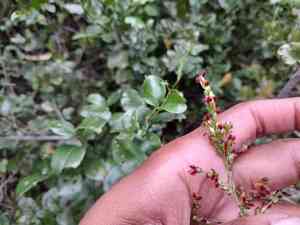
To elevate your garden's allure, Broadleaf panicum presents unique visual attributes that can distinguish your landscape. The plant showcases wide leaves that foster a rich and dense look, adding volume and depth to your garden. This trait can make Broadleaf panicum a captivating inclusion, offering a contrast to more delicate flora and establishing equilibrium in your overall layout.
The significance of texture and hue in enhancing your garden's charm
The feel of Broadleaf panicum is among its most attractive characteristics. Its broad, gently arching leaves possess a striking appearance that can impart a tactile quality to your landscape. The color of Broadleaf panicum also plays a vital role, with its green shade bringing a fresh and lively feel to your garden. By pairing Broadleaf panicum with plants of varied textures and colors, you can forge a dynamic and visually pleasing garden area.
Seasonal shifts in appearance and their influence
One of the captivating aspects of Broadleaf panicum is how its look transforms with the seasons. In spring and summer, the plant is at its most luxuriant, providing a verdant backdrop for other flowering plants. As autumn nears, the leaves may adopt a different tint, adding a new layer of interest to your garden. These seasonal transformations can keep your landscape visually engaging year-round, adding diversity and narrative to your garden's progression.
Selecting the Optimal Site for Broadleaf panicum
Evaluating sun exposure and shade requirements
The positioning of Broadleaf panicum in your garden is critical for its health and development. This plant typically flourishes in a spot that receives full to partial sunlight. It's important to observe your garden and pinpoint areas that can provide the necessary amount of light throughout the day. Excessive shade could impede its growth, while ample sunlight can help it thrive and exhibit its finest traits.
Soil type considerations: Identifying the ideal medium
Soil composition is another crucial factor in choosing the right location for Broadleaf panicum. This plant prefers well-drained soil that is rich in organic matter. Before planting, it may be beneficial to amend the soil with compost to ensure it has the essential nutrients. Conducting a soil test can also help you understand its makeup and make necessary adjustments to create the perfect growing conditions for Broadleaf panicum.
Proximity to other vegetation and landscape elements
Considering Broadleaf panicum's closeness to other plants and landscape features is vital for creating a harmonious garden. Broadleaf panicum can serve as a visual separator or complement other plants in mixed borders. Ensure it is not planted too near aggressive growers that might compete for resources. Instead, utilize Broadleaf panicum to fill voids or soften the edges of hardscape elements like paths or garden beds.
Landscape Design Concepts with Broadleaf panicum
Establishing focal points using Broadleaf panicum
Broadleaf panicum can be an excellent option for creating focal points in your garden design. Its distinctive appearance can draw attention and anchor the space. Consider planting Broadleaf panicum in a prominent spot where its beauty can be easily admired, such as at your garden's entrance or in the center of a flower bed.
Incorporating into borders and edges
Borders and edges are another area where Broadleaf panicum can excel. Its dense foliage can help define the boundaries of garden beds, creating clear separation while adding aesthetic appeal. When integrated into the edges, Broadleaf panicum can provide a smooth transition between different garden areas, contributing to a more unified design.
Companion plants for Broadleaf panicum
To maximize Broadleaf panicum's visual charm, consider pairing it with complementary plants. Seek out species that contrast in texture and height to create a balanced composition. For instance, combining Broadleaf panicum with taller grasses or flowering perennials can highlight its lush foliage while adding diversity and interest to the planting scheme.
Utilizing Broadleaf panicum in minimalist designs
For those who favor a minimalist approach to landscaping, Broadleaf panicum can be a perfect fit. Its simple yet striking appearance can serve as a key element in a minimalist design. By employing fewer plant varieties and focusing on the form and structure of Broadleaf panicum, you can create a clean and elegant garden space that is both contemporary and inviting.
Caring for Broadleaf panicum in Your Landscape
Fundamental maintenance advice for endurance and vitality
Maintaining Broadleaf panicum involves consistent care to ensure its longevity and health. Regular tasks include watering, mulching, and occasional trimming to remove dead or damaged leaves. Providing steady moisture, especially during dry periods, can help Broadleaf panicum thrive. Mulching around the base can retain soil moisture and suppress weeds, while periodic pruning keeps the plant looking its best.
Seasonal care modifications
Adjusting your care routines according to the seasons is crucial for Broadleaf panicum's health. During the growing season, focus on providing ample water and nutrients. As colder months approach, reduce watering and protect the plant from frost if necessary. Regularly check for signs of stress or disease, and adapt your care practices accordingly to ensure Broadleaf panicum remains vibrant throughout the year.
Addressing common issues with Broadleaf panicum
Like any plant, Broadleaf panicum can encounter challenges such as pests or diseases. Common problems include fungal infections or insect infestations, which can be managed with appropriate treatments. Ensure good air circulation around the plant and avoid overhead watering to minimize fungal issues. For pest control, consider using organic remedies or introducing beneficial insects that prey on common pests.



