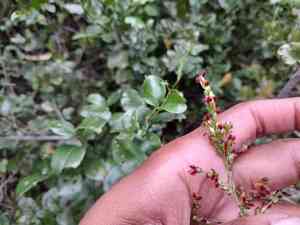
Broadleaf panicum (Panicum deustum)
Also known as: None known
Broadleaf panicum is a hardy grass that flourishes in sunny, open spaces. It features slender stems topped with delicate, spike-like panicles. The plant's narrow leaves are resilient, allowing it to adapt to both drought conditions and moderate cold. This versatility helps it survive in varying environments. The green color of broadleaf panicum may shift with the seasons, indicating its responsiveness to ecological changes.
In This Article
Attributes of Broadleaf panicum
Lifespan
Perennial
Plant Type
Grass
Plant Height
Up to 1.2 meters
Spread
Around 30-50 cm
Leaf Color
Green
Flower Size
Small, less than 1 cm
Flower Color
Greenish or purplish
Images of Broadleaf panicum
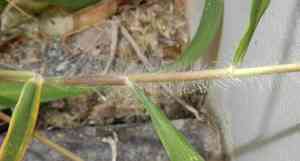

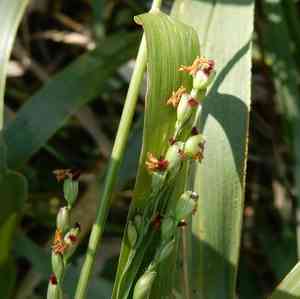
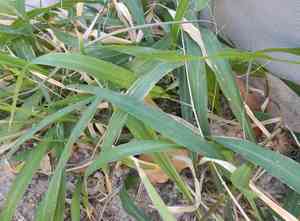
Quickly Identify Broadleaf panicum
1
Panicum deustum can be identified by its tall, tufted growth habit, linear leaves, and small, spikelet-like flowers arranged in loose panicles.
Scientific Classification of Broadleaf panicum
Phylum
Vascular plants
Class
Monocotyledons
Order
Poales
Family
Grass
Genus
Panicgrasses
Species
Broadleaf panicum
Planting and Growing of Broadleaf panicum
Care Difficulty
Easy
Watering Schedule
Every 2 days
Sunlight Requirements
Partial sun
Sunshine Duration
4-6 hours
Ideal Temperature
68-77℉
Soil Type
Potting Mix, Peat Mix
Soil pH
6.5-7.5
Fertilizer Type
Balanced
Pruning Season
Spring, Summer
Pruning Area
Branches, Leaves
Pruning Frequency
2 times a year
Repotting Season
Spring
Pot Type
Terracotta, Plastic
 How to Water Broadleaf panicum?
Panicum deustum prefers moderate watering. Each time, aim for a watering amount of about 500 ml, sufficient to thoroughly moisten the soil but ensure well-draining conditions. Water until you see it start to drain from the bottom of the pot. Avoid waterlogging, as this can harm the roots.
What are the symptoms of an underwatered Broadleaf panicum?
›
What should I do if my Broadleaf panicum is not getting enough water?
›
What are the symptoms of an overwatered Broadleaf panicum?
›
How to save an overwatered Broadleaf panicum?
›
 What Are the Sunlight Requirements for Broadleaf panicum?
Partial sun exposure, ideally 4 to 6 hours, allows Panicum deustum to thrive by supporting photosynthesis and maintaining plant vitality.
How much sunlight is ideal for Panicum deustum?
›
What should I do if my plant is not getting enough sunlight?
›
Why is it important to provide ideal lighting conditions?
›
 What Is the Ideal Temperature Range for Broadleaf panicum?
For Panicum deustum, the ideal temperature range is typically between 68°F and 77°F. This range allows the plant to photosynthesize efficiently and promotes robust growth. Maintaining temperatures within this range can lead to optimal enzyme activity and cellular function, which in turn contributes to vigorous growth and development. For best results, regular monitoring is recommended to ensure temperatures remain consistent.
 What Soil is Best for Broadleaf panicum?
Panicum deustum thrives in nutrient-rich soils that provide essential minerals for robust growth. The abundance of nutrients in such soils supports vigorous shoot and root development, leading to a resilient and lush plant. This plant requires well-drained soil to prevent waterlogging, which can lead to root rot. Adequate drainage ensures that roots receive sufficient oxygen, promoting healthy plant development and disease resistance. The soil should have moderate water retention abilities to maintain moisture without becoming soggy. Proper water balance in the soil helps the plant maintain turgor, crucial for photosynthesis and growth.
 How to Fertilize Broadleaf panicum?
For Panicum deustum, it is crucial to apply the right amount of fertilizer. Use a balanced liquid fertilizer diluted to half strength for young plants. Mature plants may benefit from full-strength fertilizer. Avoid over-fertilization to prevent root burn.
 How to Prune Broadleaf panicum?
While it might be tempting to cut back heavily to control growth, Panicum deustum responds better to moderate, regular trims rather than severe cutting. Over-pruning can stress the plant and lead to stunted growth or vulnerability to pests and diseases. Choose a day when the weather is dry to do your pruning. This reduces the risk of moisture-related diseases entering the fresh cuts. Avoid pruning on overcast, rainy days, as this can unfavorably affect the plant's ability to heal.
More About Pruning Techniques→
 How to Propagate Broadleaf panicum plant?
1
Choose a well-draining soil mix to fill your pots or trays. This is critical for seedling health as it helps prevent root rot and ensures proper nutrients uptake.
2
Scatter seeds over the prepared soil and cover lightly with more soil. Ensure seeds are evenly distributed to avoid overcrowding, which can stunt growth.
3
Cut healthy stems of about 5-10 cm in length, ensuring each has a node. Remove lower leaves and dip the cut end into rooting hormone to stimulate root growth.
 How to Repot Broadleaf panicum plant?
1
Repotting Panicum deustum is essential when the roots are circling the pot or emerging through drainage holes. Another signal is slow growth despite adequate care. Spring or early summer is ideal as the plant can recover quickly during its active growing phase.
2
Select a pot that is 1-2 inches larger in diameter than the current one. A pot with drainage holes is crucial to prevent waterlogging, which can lead to root rot. Avoid oversized pots to prevent excessive soil moisture and encourage balanced growth.
3
Opt for a well-draining potting mix containing sand or perlite. This ensures adequate aeration and prevents water retention, keeping the roots healthy and reducing the risk of fungal infections.



