How to Prune Mountain wood-sorrel?
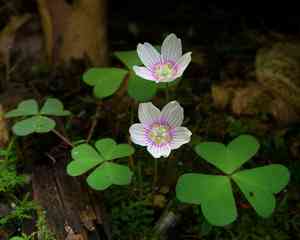
A persistent herbaceous plant, mountain wood-sorrel flourishes in dim, damp woodland environments. Its distinctive three-part leaves resemble those of a clover. Light trimming preserves its form and limits its expansion. Removing faded blossoms encourages additional flowering and hinders self-propagation. Perform a gentle trim in spring to revitalize development or in summer to reduce overgrowth. Strategic timing of cuts guarantees robust well-being and manages its clustered growth pattern. Trimming enhances visual appeal and assists in confining its reach within designated garden areas.
What Are the Benefits of Pruning Mountain Wood-sorrel?
What Are the Benefits of Pruning Mountain Wood-sorrel?
Trimming mountain wood-sorrel promotes robust development and maintains its compact form, crucial in small gardens or as ground cover. It stimulates new shoots, leading to a fuller, healthier look.
What Is the Best Time for Pruning Mountain Wood-sorrel?
What Is the Best Time for Pruning Mountain Wood-sorrel?
These periods are ideal for trimming mountain wood-sorrel as they align with the plant's post-flowering stage, when energy is redirected for new growth. In late spring, frost risk has passed, minimizing stress and potential damage to fresh cuts. Early summer pruning helps shape the plant, control its size, and remove spent blooms, encouraging healthier foliage and preparing it for the next season. Proper timing ensures cuts heal before winter dormancy.
What Tools Do I Need to Prune Mountain Wood-sorrel?
Hand Pruners
Perfect for precise cuts on mountain wood-sorrel, a delicate plant; hand pruners offer the control needed to trim only dead or overgrown parts without harming the plant.
Garden Scissors
Useful for snipping soft stems and harvesting the clover-like leaves of mountain wood-sorrel; they provide accuracy for maintaining the plant's desired shape and health.
Pruning Snips
Gentle on the tender stems and foliage of mountain wood-sorrel, these sharp, pointed tools allow for the removal of unwanted growth without causing undue stress to the plant.
How to Prune Mountain Wood-sorrel
Clean Tools
Before trimming mountain wood-sorrel, sanitize pruning shears with rubbing alcohol or a bleach solution to prevent disease transmission.
Diseased Leaves
Identify and remove any infected leaves by cutting them at their base where they meet the stem. Ensure clean cuts to avoid damage to the remaining healthy tissue.
Withered Leaves
Trim withered or yellowing leaves by snipping them at the base to encourage healthy growth and improve air circulation around mountain wood-sorrel.
Diseased Stems
Cut back infected stems by making angled cuts just above healthy leaf nodes or buds to facilitate regrowth and prevent further spread of infection.
Disposal
Safely dispose of all pruned material away from mountain wood-sorrel to prevent reinfection or the spread of pests and diseases.
Common Pruning Mistakes with Mountain Wood-sorrel
Over Pruning
Removing too much foliage from mountain wood-sorrel can stress the plant and hinder its ability to photosynthesize, which is crucial for its growth and blooming.
Improper Cut Location
Cutting into old wood or not making cuts near a leaf node can result in poor regrowth and may even damage mountain wood-sorrel, creating entry points for disease.
Using Dull Tools
Trimming with dull or dirty tools can cause jagged cuts that are more prone to infections, negatively impacting mountain wood-sorrel's health.
Neglecting Pruning
Failing to remove dead or damaged foliage when necessary can lead to a buildup of disease and inhibit new growth in mountain wood-sorrel.
Pruning At Wrong Stage
Trimming when mountain wood-sorrel is preparing to flower can accidentally remove buds, reducing the plant's ability to produce blooms.
Common Pruning Tips for Mountain Wood-sorrel
Sharp Clean Tools
Ensure tools are sharp and clean before trimming mountain wood-sorrel to make clean cuts that heal quickly and are less susceptible to disease.
Light Pruning
Opt for light trimming to shape mountain wood-sorrel and remove unwanted growth, as this encourages healthy development without placing undue stress on the plant.
Cut To Node
Always trim back to a leaf node or a branching point to promote healthier and fuller regrowth for mountain wood-sorrel.
Remove Dead Tissue
Regularly inspect mountain wood-sorrel and remove any dead or diseased tissue to maintain plant vigor and prevent the spread of potential pathogens.
Consistent Maintenance
Establish a routine of checking and lightly trimming mountain wood-sorrel to foster proper air circulation and light penetration, which is vital for plant health.



