Enhancing Your Garden Design with the Mountain wood-sorrel Plant: A Landscaping Guide
1
Mountain wood-sorrel flourishes in adequately drained soil and prefers partial to complete shade, making it adaptable to diverse garden spots.
2
Pairing Mountain wood-sorrel with other plants can produce striking aesthetic differences and enhance the garden's general well-being.
3
Consistent seasonal maintenance guarantees that Mountain wood-sorrel stays lively and robust throughout the year.
Introducing Mountain wood-sorrel in Garden Design
Appreciating the Beauty of Mountain wood-sorrel
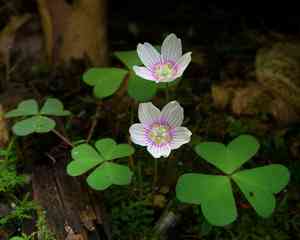
The visual appeal of Mountain wood-sorrel stems from its delicate, heart-shaped leaves and charming blossoms, typically appearing in shades from white to pink. Its subtle elegance makes it an excellent option for ground cover in garden beds or as an accent in rock gardens. Its foliage forms a lush, green carpet, adding a touch of magic to any landscape, while its flowers offer a gentle burst of color that draws attention without overwhelming the senses.
Integrating Mountain wood-sorrel into Various Garden Styles
Mountain wood-sorrel is remarkably adaptable and can enhance diverse garden aesthetics. In a woodland setting, it mirrors its natural environment, creating a harmonious look and feel. It can also be utilized in more formal gardens where its neat growth habit complements geometric layouts. For rustic or cottage gardens, its natural, unpretentious charm makes it an ideal fit. Whether your garden is modern, traditional, or somewhere in between, Mountain wood-sorrel can provide the perfect touch of greenery and blooms to elevate the overall design.
The Growing Appeal of Mountain wood-sorrel in Contemporary Gardens
In recent years, Mountain wood-sorrel has become increasingly favored by gardening enthusiasts and landscape designers. Its low-maintenance nature and adaptability have made it a popular choice for modern landscapes. The plant's capacity to flourish in less-than-ideal conditions means it can be a dependable option for challenging landscaping projects. Furthermore, its ecological advantages, such as supporting local wildlife and improving soil health, align with the rising trend of sustainable and eco-friendly gardening.
Selecting the Optimal Site for Mountain wood-sorrel
Ideal Soil and Light Conditions for Mountain wood-sorrel
Mountain wood-sorrel prefers well-draining soil with a slightly acidic to neutral pH. It thrives in partial to full shade, making it perfect for areas beneath trees or shaded garden corners. Ensuring the right conditions helps Mountain wood-sorrel flourish, resulting in a lush and vibrant appearance. Additionally, organic mulch can help retain moisture and suppress weeds, giving Mountain wood-sorrel the best chance to thrive in your garden.
Spacing and Planting Recommendations for Optimal Growth
Correct spacing is vital for Mountain wood-sorrel's optimal development. Planting them approximately 6 to 12 inches apart will provide ample room for the plants to spread and fill the area without becoming overcrowded. When planting, ensure the root ball is level with the soil surface to prevent waterlogging and root rot. Water the plants thoroughly after planting to aid in root establishment. Regularly monitoring the soil's moisture level will also help maintain a healthy environment for Mountain wood-sorrel.
Combining Mountain wood-sorrel with Other Plants
Companion Plants that Accentuate Mountain wood-sorrel's Qualities
Pairing Mountain wood-sorrel with other plants can create stunning garden compositions. Companion plants like ferns, hostas, and coral bells can highlight Mountain wood-sorrel's delicate features while offering varied textures and heights. These combinations not only add visual interest but also support a healthy garden ecosystem by providing diverse habitats and food sources for local wildlife. Selecting plants with similar growing requirements ensures all species in the mix will thrive together.
Creating Visual Contrast with Color and Texture
Contrasting colors and textures can make your garden visually appealing and dynamic. The soft, green foliage of Mountain wood-sorrel beautifully contrasts with the bolder hues of plants like astilbe or the fine-textured leaves of maidenhair ferns. Incorporating different leaf shapes, sizes, and colors can enhance the overall aesthetic of your landscape design, making it more engaging and captivating. Experimenting with these elements allows you to create a personalized and visually stimulating garden space.
Advice for Fostering Biodiversity
Promoting biodiversity in your garden is crucial for establishing a balanced and resilient ecosystem. By integrating Mountain wood-sorrel with a variety of other plant species, you can attract beneficial insects, birds, and other wildlife. This richness not only supports the health of your garden but also contributes to the broader ecological community. Regularly introducing new plant varieties and avoiding monocultures can help sustain a vibrant and diverse garden environment.
Caring for Mountain wood-sorrel in Your Garden
Seasonal Maintenance Tips for Mountain wood-sorrel
Caring for Mountain wood-sorrel involves some seasonal upkeep to keep the plant healthy throughout the year. In spring, consider dividing any overcrowded clumps to encourage better growth. Summer care includes ensuring the soil remains moist but not waterlogged. In fall, trim back any dead or damaged foliage to prepare the plant for winter. If you reside in a region with harsh winters, adding a layer of mulch can protect the roots from freezing temperatures.
Addressing Common Issues with Mountain wood-sorrel
While Mountain wood-sorrel is generally robust, it can encounter some common problems. Pests such as aphids or slugs may occasionally target the plant, so regular inspection and organic pest control methods can be beneficial. Nutrient deficiencies can also impact growth, and a balanced, slow-release fertilizer might be necessary to support plant health. Additionally, watch for signs of fungal diseases like powdery mildew and ensure good air circulation by avoiding plant overcrowding.
Mountain wood-sorrel's Impact on Local Ecosystems
Benefits of Mountain wood-sorrel for Native Wildlife
Mountain wood-sorrel offers valuable advantages to local wildlife, including bees and butterflies, by providing nectar and pollen. Birds may also use the plant for shelter, transforming your garden into a vibrant habitat for diverse species. These interactions not only enhance your garden's biodiversity but also assist with pollination and pest control, contributing to a healthier garden ecosystem.
Encouraging Sustainable Gardening Practices
Incorporating Mountain wood-sorrel into your garden can support sustainable gardening methods. Its low maintenance requirements mean less reliance on water and chemical fertilizers. The plant's ability to thrive in shaded areas can reduce the need for extensive landscaping and ground preparation. By choosing Mountain wood-sorrel, you contribute to a sustainable garden that supports local ecosystems and minimizes your environmental footprint.



