How to Propagate Mountain wood-sorrel?
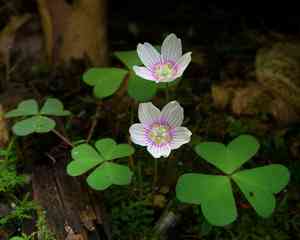
Effective propagation of Mountain wood-sorrel is achieved by dividing its clusters, allowing the detached buds on their stems to produce roots and foliage when placed in appropriate substrate. A key factor for successful growth is making sure every segment contains a portion of the rhizome with an attached bud. Growers must sustain a damp setting and gently manage the fragile rhizomes to avoid harm, thereby encouraging the development of robust new specimens.
Optimal Time for Mountain Wood-sorrel Propagation
Propagation Type
Stalk Buds
Propagation Season
Spring,Summer,Autumn
Tools for Mountain Wood-sorrel Propagation
Sharp Scissors or Pruning Shears
These implements are crucial for making clean cuts when detaching buds from mountain wood-sorrel stalks. Precise cuts minimize harm to the parent plant and ensure the vitality of the buds used for propagation. Sharpness helps reduce infection risk and promotes rapid plant recovery.
Rooting Hormone Powder or Gel
This product encourages root development from mountain wood-sorrel buds after planting. Applying rooting hormone to the bud's cut end enhances the likelihood of successful root formation, which is vital for the new plant's health and survival.
Sterile Potting Mix
A well-draining, nutrient-rich sterile potting medium offers an ideal setting for mountain wood-sorrel roots to grow. The mix's sterility is important for preventing diseases and fungal infections that could hinder the young plant's growth and development.
Small Pots or Trays
Compact containers are suitable for the initial rooting phase of mountain wood-sorrel buds. They ensure that delicate new roots don't compete for resources and can be easily monitored and maintained during early growth stages.
Plastic Wrap or Humidity Dome
Maintaining elevated humidity around propagated mountain wood-sorrel buds helps prevent moisture loss and supports new root development. A humidity dome or plastic wrap creates a microenvironment with increased humidity, perfect for propagation.
Caring for Newly Propagated Mountain Wood-sorrel
Caring for Your Newly Propagated Mountain Wood-sorrel
Once rooting is successful and new shoots emerge, keep the soil consistently moist but not waterlogged. As mountain wood-sorrel prefers cooler temperatures and indirect light, maintaining these conditions encourages vigorous growth. Gradual acclimation to brighter light is possible, but avoid direct, intense sunlight. Regularly check for pests or diseases, treating them promptly to prevent spread. Every few weeks, a diluted, balanced liquid fertilizer can promote healthier, more vibrant foliage.
Common Errors to Avoid When Propagating Mountain Wood-sorrel
Overwatering
Excessive watering of mountain wood-sorrel can lead to root rot, as its roots are not adapted to too much moisture. This error diminishes the plant's ability to absorb nutrients and can result in fungal diseases.
Using poor draining soil
Mountain wood-sorrel needs well-draining soil to prevent waterlogging. Using soil that retains too much water can suffocate the roots, hindering growth and potentially causing root decay.
Excessive sunlight
While mountain wood-sorrel enjoys bright light, too much direct sun can scorch its delicate leaves, causing stress or even plant death.
Advice for Propagating Mountain Wood-sorrel
Use division method
Propagating mountain wood-sorrel by division is effective. Carefully separate the rhizomes or bulbils, ensuring each piece has roots, and replant immediately in appropriate soil.
Maintain high humidity
Keeping mountain wood-sorrel in a moist environment aids in the establishment of new plants. You can achieve this by covering the plant with a plastic bag or using a humidity tray.
Acidic soil preference
Mountain wood-sorrel thrives in slightly acidic soil. Ensuring the pH level remains around 5.0 to 6.5 can promote healthier root development and growth.



