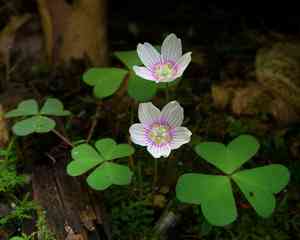
Mountain wood-sorrel (Oxalis montana)
Also known as: White woodsorrel
The term "montana" in the scientific name Oxalis montana signifies "mountain," highlighting its preference for mountainous habitats. This shade-loving plant is native to eastern North America and is also known as wood shamrock or white woodsorrel.
In This Article
Attributes of Mountain wood-sorrel
Lifespan
Perennial
Plant Type
Herb
Plant Height
15 cm to 30 cm
Spread
8 cm to 15 cm
Leaf Color
Green
Flower Size
2.5 cm
Flower Color
White Purple Red
Images of Mountain wood-sorrel
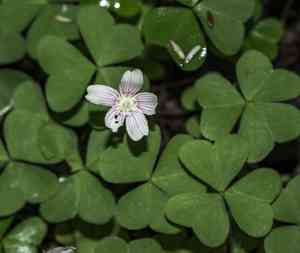
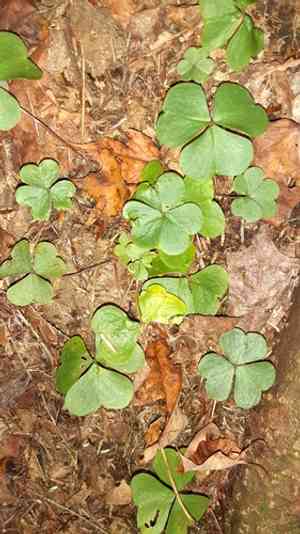
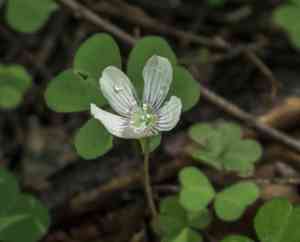
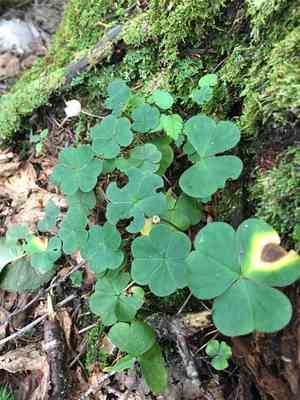
Quickly Identify Mountain wood-sorrel
1
Trifoliate leaves, resembling clover, with heart-shaped leaflets.
2
Delicate flowers with 5 petals, white or pink, not exceeding 6 inches (15 cm).
3
Inverted heart-shaped leaflets close at night, with brown hairs on stalks.
4
Slender green stems with reddish base, reaching up to 4 inches (10 cm).
5
Diminutive erect capsules, divided into 5 sections, splitting open for seed dispersal.
Scientific Classification of Mountain wood-sorrel
Phylum
Vascular plants
Class
Dicotyledons
Order
Oxalidales
Family
Wood sorrel
Genus
Wood sorrels
Species
Mountain wood-sorrel
Planting and Growing of Mountain wood-sorrel
Care Difficulty
Easy
Watering Schedule
Every 2 days
Sunlight Requirements
Full shade
Sunshine Duration
4-8 hours
Ideal Temperature
60-75℉
Soil Type
Potting Mix, Peat Mix
Soil pH
4.5-6
Fertilizer Type
Balanced
Pruning Season
Spring, Summer
Pruning Area
Branches, Leaves
Pruning Frequency
2 times a year
Repotting Season
Spring
Pot Type
Plastic, Ceramic
 How to Water Mountain wood-sorrel?
When watering Oxalis montana, ensure the soil is moistened thoroughly but not waterlogged. Aim for about 200 ml of water, which should be enough to seep down to the root zone without causing excess drainage. This ensures the roots take up enough moisture without sitting in stagnant water.
What are the symptoms of an underwatered Mountain wood-sorrel?
›
What should I do if my Mountain wood-sorrel is not getting enough water?
›
What are the symptoms of an overwatered Mountain wood-sorrel?
›
How to save an overwatered Mountain wood-sorrel?
›
 What Are the Sunlight Requirements for Mountain wood-sorrel?
Oxalis montana flourishes best with partial shade to full shade, mimicking its natural woodland habitat. This lighting supports lush foliage and consistent blooming without damaging delicate leaves.
More About Sunlight Requirements Techniques→
How much sun does Oxalis montana need?
›
What solutions can provide ideal lighting?
›
What are the benefits of ideal lighting for Oxalis montana?
›
 What Is the Ideal Temperature Range for Mountain wood-sorrel?
The ideal temperature range for Oxalis montana, commonly known as the mountain wood sorrel, is between 60°F and 75°F. This range encourages optimal growth and development, allowing the plant to thrive by maintaining its metabolic functions efficiently. It is crucial to sustain these temperatures consistently to avoid any adverse effects on the plant's health and productivity.
 What Soil is Best for Mountain wood-sorrel?
Oxalis montana thrives in soil that remains moist but drains efficiently. Avoid waterlogged conditions to prevent root rot. This ensures healthy growth and vibrant foliage. Incorporating organic matter such as compost improves soil texture, water retention, and nutrient availability. This enriches the soil, promoting vigorous plant development. A soil rich in humus is ideal, providing nutrition and maintaining moisture for Oxalis montana. It supports root growth and the overall health of the plant.
 How to Fertilize Mountain wood-sorrel?
When fertilizing Oxalis montana, use a water-soluble fertilizer diluted to half strength. Apply approximately one teaspoon of this solution per 500 milliliters of water, ensuring the soil is evenly moist but not waterlogged.
 How to Prune Mountain wood-sorrel?
To prune Oxalis montana, begin by carefully assessing the plant for any dead or withered leaves. Use sharp, sterilized scissors or pruning shears to remove these leaves, cutting as close to the base as possible without injuring healthy stems. Next, trim back any excessively long stems to encourage a more bushy growth pattern. Always aim to maintain a symmetrical shape for aesthetic appeal.
More About Pruning Techniques→
 How to Propagate Mountain wood-sorrel plant?
1
First, collect ripe seeds and sow them in a seed tray filled with well-draining soil. Cover lightly with soil, as seeds need darkness to germinate. Water gently to avoid displacing the seeds.
2
Choose mature plants for division. Carefully dig up the plant to include roots and soil. Use a sharp knife to slice through the root mass, ensuring each division has roots attached.
3
After division, plant each section into a prepared pot or garden spot with suitable soil, ensuring roots are adequately covered. Water immediately to settle the soil around the roots.
 How to Repot Mountain wood-sorrel plant?
1
Repot Oxalis montana when its growth seems stunted or the soil appears compacted. It's vital to watch for signs such as reduced flowering, roots coming out of the drainage holes, or when the leaves yellow despite appropriate care. These indicators suggest the plant is becoming root-bound and requires new space to thrive.
2
Select a pot that's just one size larger than the current one to prevent excessive moisture retention. Opt for a pot with good drainage holes to avoid root rot. Terracotta or ceramic pots work well as they allow roots to breathe, aiding in moisture regulation, ensuring Oxalis montana doesn't sit in soggy soil.
3
Choose a well-draining acidic mix; think peat-based soils complemented with perlite to ensure optimal drainage. This combination keeps the soil light, preventing waterlogging, a condition this plant despises. Acidic soil mimics Oxalis montana’s natural woodland habitat, promoting vibrant growth and flourishing.



