How to Prune Floating arum?
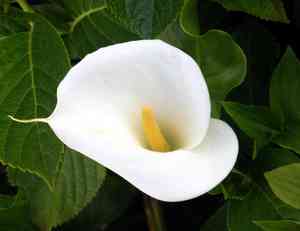
A partially submerged perennial featuring glossy leaves, floating arum flourishes when superfluous or deceased foliage is eliminated. Trim discolored or drooping leaves at the stem's origin from spring to early summer to boost vigor and aesthetic appeal. Encourage blossoming by snipping off faded flowers. Judicious and selective trimming aids floating arum's development, preserving a dense shape and averting deterioration. Always employ sanitized cutting tools to avert the spread of pathogens. Trimming beyond the leaf structure is seldom required given its restricted growth pattern.
What Are the Benefits of Pruning Floating Arum?
What Are the Benefits of Pruning Floating Arum?
Trimming floating arum encourages robust new development, ensuring a strong and thriving plant. Furthermore, pruning helps maintain its desired form, contributing to a neat aquatic garden look.
What Is the Best Time for Pruning Floating Arum?
What Is the Best Time for Pruning Floating Arum?
Pruning in late spring allows floating arum to recover and produce new leaves before the summer's peak growth. Additionally, the danger of cold damage from late frosts is diminished. Early summer pruning promotes healthy growth and maintains the plant's shape while it's actively growing, yet it's early enough to avoid disrupting late summer blooms. During these periods, the plant's sap flow is optimal for wound healing, and it's less vulnerable to diseases and pests common in fall and winter. This timing aligns with floating arum's natural life cycle, leveraging its vigorous growth phase to revitalize the plant and encourage lush foliage above water.
What Tools Do I Need to Prune Floating Arum?
Aquatic Plant Scissors
Floating arum thrives in water, so long-handled aquatic plant scissors are perfect for precise foliage trimming without entering the water. They enable targeted removal of dead or unwanted leaves and stems while preserving the plant's overall health.
Hand Pruners
For occasional trimming of stems that may rise above the water, hand pruners are suitable. They provide clean cuts that help prevent damage and disease. Hand pruners are crucial for thicker stems that aquatic plant scissors might struggle with.
Rake
Given floating arum's aquatic habitat, a rake can be useful for clearing debris and dead leaves around the plant to maintain a clean environment. This also improves water flow and reduces the risk of rot and disease.
How to Prune Floating Arum
Sanitize tools
Disinfect pruning shears or scissors with alcohol or a bleach solution to prevent disease transmission when trimming floating arum.
Remove diseased leaves
Carefully snip off any diseased leaves from floating arum at the leaf stem's base, being careful not to harm healthy plant parts.
Trim withered leaves
Cut away withered or yellowing leaves at their base to stimulate new growth and maintain floating arum's appearance.
Eliminate diseased stems
Identify and remove any stems showing disease signs by cutting them back to the nearest healthy section, ensuring clean cuts for quick healing of floating arum.
Dispose of debris
Collect all removed plant material and dispose of it properly to minimize disease spread in the area surrounding floating arum.
Common Pruning Mistakes with Floating Arum
Overpruning
Removing too much foliage or too many leaves can stress floating arum, hindering its ability to photosynthesize and grow correctly.
Pruning healthy foliage
Cutting off healthy leaves and stems unnecessarily may reduce floating arum's vigor, as it requires sufficient foliage for photosynthesis and energy production.
Tearing stems
Improper cutting techniques that cause tearing can damage floating arum's stems, leading to disease and stunted growth.
Using dirty tools
Pruning with unclean tools can introduce pathogens to floating arum, increasing the risk of infections and diseases.
Disregarding plant shape
Pruning without considering floating arum's natural form can result in an unnatural and unattractive appearance while potentially harming the plant's structural integrity.
Common Pruning Tips for Floating Arum
Sharp and clean tools
Always use sharp, clean pruning shears or scissors to make clean cuts that will heal quickly, minimizing disease risk for floating arum.
Dead or damaged foliage
Focus on removing dead, damaged, or decaying leaves and stems to promote floating arum's health and aesthetic appeal.
Aerate the crown
Thin out crowded areas to provide better air circulation, which can help prevent disease in floating arum's dense foliage.
Underwater growth
Prune underwater growth if it becomes excessive, as this helps maintain floating arum's buoyancy and aesthetic form.
Encourage blooming
Snip off spent flowers right below the flower head to encourage more blooms from floating arum and maintain its visual appeal.



