How to Propagate Floating arum?
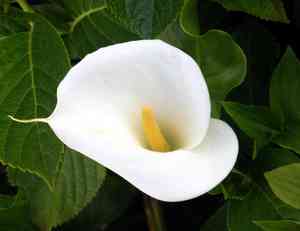
Floating arum flourishes when reproduced via seeding. For peak development, employ a well-aerated, damp substrate that emulates its native watery environment. Disperse the seeds on the surface to guarantee sufficient illumination, which is vital for sprouting. Consistent hydration is essential, preserving a steady moisture level without saturating the growing medium. These customized methods will boost seedling maturation, cultivating a vibrant, robust proliferation of floating arum.
Optimal Time for Floating Arum Propagation
Propagation Method
Seeding
Propagation Period
Spring
Tools for Floating Arum Propagation
Seed trays
Seed trays are vital for initiating floating arum from seed, providing a controlled setting for germination. Their shallow design allows for easy monitoring of soil moisture, essential for floating arum's initial root development.
Sterilized potting mix
A sterilized potting mix ensures that floating arum seeds are planted in a disease-free medium, lowering the risk of soil-borne illnesses that can hinder seed germination and young plant growth.
Fine mist spray bottle
This tool is used to gently water floating arum seeds without dislodging them. The fine mist provides even moisture, crucial for seed germination, promoting uniform growth among seedlings.
Heating mats
Floating arum thrives with consistent soil temperatures during germination. Heating mats offer a steady heat source, particularly useful in colder climates, to maintain ideal germination conditions.
Grow lights
If propagating floating arum indoors or with insufficient natural light, grow lights help replicate optimal light conditions, aiding photosynthesis and ensuring robust, healthy growth after seeds sprout.
Seedling dibber
Used for transplanting sprouted floating arum seedlings. The dibber's design allows for careful handling of delicate roots, minimizing damage and stress during transfer to larger pots or permanent locations.
Propagating Floating Arum Guide
Propagation Difficulty
Simple
Post-Propagation Care for Floating Arum
Post-Propagation Care for Floating Arum
After propagating floating arum, ensure they are placed in partial to full sun in shallow, calm water. Regularly check water quality to prevent algal growth, which can deprive young plants of essential nutrients and light. As floating arum is adapted to a nutrient-rich aquatic environment, occasional supplementation with a water-soluble aquatic plant fertilizer can promote healthier growth. During winter, if in a cold region, consider moving outdoor plants to an indoor water setup to prevent freezing.
Common Errors to Avoid When Propagating Floating Arum
Overwatering
While floating arum is an aquatic plant, managing water levels is critical. Overwatering or having overly saturated substrate around its roots, especially when propagated in containers, can lead to root rot and fungal infections, impairing the plant's health and its ability to establish new growth.
Deep planting
Planting floating arum too deeply can hinder its growth. Floating arum's rhizomes should be positioned just below the soil surface, as burying them too deep prevents adequate oxygen supply and can cause the rhizomes to rot.
Using dense soil
Using soil that is too dense or heavy might restrict the growth of floating arum's delicate roots and impede water circulation. This can be problematic as it prevents proper root development and reduces the efficiency of nutrient uptake.
Tips for Propagating Floating Arum
Water depth management
For successful propagation, ensure the water level is suitable for floating arum. When placing it in ponds or aquatic environments, keep the plant's crown above water to prevent rotting and facilitate proper growth.
Use of light, loamy soil
Employing a light, loamy soil mix helps provide necessary nutrients and supports proper water drainage for floating arum. This type of soil ensures that the roots receive a balanced amount of moisture and air.
Regular splitting
Regularly dividing floating arum's rhizomes can encourage healthier growth and increase propagation success. This should be done gently to avoid damaging the plant's root system, promoting quicker recovery and growth.



