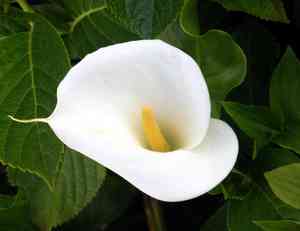
Floating arum (Orontium aquaticum)
Also known as: Golden club, Floating arum
The plant species you are describing is the floating arum (*Orontium aquaticum*). This plant, native to the eastern United States, features pointed, ovular leaves with a naturally water-repellent surface. It typically thrives in shallow waters such as those found in streams and ponds.
In This Article
Attributes of Floating arum
Lifespan
Perennial
Plant Type
Herb
Plant Height
30 cm to 61 cm
Spread
75 cm
Leaf Color
Green Blue Silver Gray
Flower Size
2.5 cm to 8 cm
Flower Color
Yellow White Green
Images of Floating arum
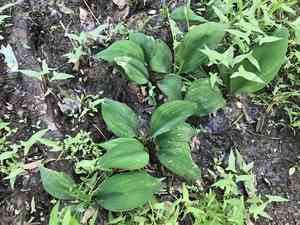
Quickly Identify Floating arum
1
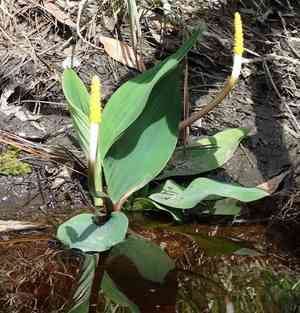
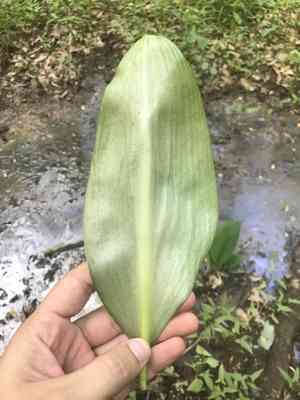
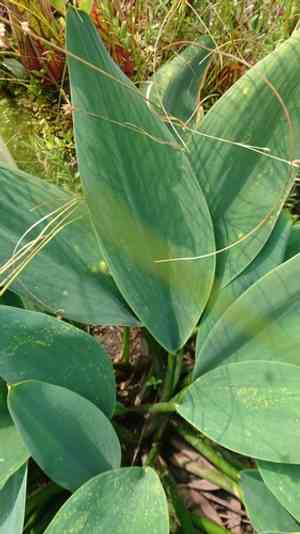
Elliptical to strap-like leaves, 5-18 inches (13-46 cm) long, with bluish-green color and water-repellent underside.
2
Distinctive club-like spadix flowers, 2-4 inches (5-10 cm) long, white and golden yellow color combination.
3
Berry-like fruits with bumpy green exterior, multiple seeds, and unique appearance suitable for identification.
4
Seasonal appearance of prominent fruits in May, indicating ripening process with edible seeds post thorough cooking.
5
Suitable for wetland habitats, with foliage restng atop water surface in 1-12 inches (2.5-30.5 cm) depth.
Scientific Classification of Floating arum
Phylum
Vascular plants
Class
Monocotyledons
Order
Alismatales
Family
Arum
Genus
Golden-clubs
Species
Floating arum
Planting and Growing of Floating arum
Care Difficulty
Easy
Watering Schedule
Every 8 days
Sunlight Requirements
Partial sun
Sunshine Duration
4-8 hours
Ideal Temperature
65-75℉
Soil Type
Potting Mix, Peat Mix
Soil pH
6.5-7.5
Fertilizer Type
Balanced
Pruning Season
Spring, Summer
Pruning Area
Branches, Leaves
Pruning Frequency
2 times a year
Repotting Season
Spring
Pot Type
Plastic, Terracotta
 How to Water Floating arum?
Orontium aquaticum, also known as Golden Club, thrives in wetlands and shallow water. Ensure that the soil remains consistently moist, almost submerged, but not waterlogged. A watering amount of 500 milliliters ensures enough moisture for healthy growth without causing root rot.
What are the symptoms of an underwatered Floating arum?
›
What should I do if my Floating arum is not getting enough water?
›
What are the symptoms of an overwatered Floating arum?
›
How to save an overwatered Floating arum?
›
 What Are the Sunlight Requirements for Floating arum?
Orontium aquaticum requires a light range from full sun to partial shade for optimal growth. Ensuring this exposure range fosters healthy foliage, vibrant colors, and prevents stunted growth.
More About Sunlight Requirements Techniques→
Optimal Light for Growth
›
Balancing Light Exposure
›
Indoor Positioning
›
 What Is the Ideal Temperature Range for Floating arum?
The ideal temperature range for growing Orontium aquaticum, commonly known as golden club, is between 65°F and 75°F. This range provides optimal conditions for its growth and health, ensuring that the plant receives the right amount of warmth during the day while remaining cool enough to avoid stress and wilting. Maintaining these temperatures can help promote vigorous growth and vibrant foliage.
 What Soil is Best for Floating arum?
Orontium aquaticum thrives in consistently moist soil, a reflection of its natural habitat in wetlands. This condition ensures constant hydration necessary for its growth and flowering. A nutrient-rich soil supports healthy foliage and robust growth for Orontium aquaticum. High organic matter content is essential for providing the nutrients this plant requires. While it requires moisture, efficient drainage prevents root rot and other water damage. Orontium aquaticum benefits significantly from loamy soil which strikes a balance between moisture retention and drainage.
 How to Fertilize Floating arum?
Orontium aquaticum benefits from a moderate fertilization approach. Use a liquid fertilizer at half strength, applying about 10-15 ml per 4 liters of water. For solid, slow-release fertilizer, apply approximately 50 grams per plant per application to maintain balanced growth.
 How to Prune Floating arum?
When pruning Orontium aquaticum, focus on trimming back any dead or yellowing leaves. Use sharp scissors or pruning shears to make clean cuts close to the base of the stem. This not only improves the plant's appearance but also encourages new, healthy growth. Ensure the cuts are made at a 45-degree angle to allow water to run off easily, reducing the risk of rot. After the flowering period, it's beneficial to trim the flower stalks of Orontium aquaticum. This prevents the plant from putting unnecessary energy into seed production, allowing it to focus resources on foliage and root health. Simply cut the spent flower stalks just above the basal leaf rosette.
More About Pruning Techniques→
 How to Propagate Floating arum plant?
1
Collect seeds from mature Orontium aquaticum plants during late spring when the seed heads are fully developed. Ensure seeds are dry and store them in a cool, dry place till ready for planting.
2
Water the plant thoroughly before division. Carefully dig around the plant, ensuring minimal disturbance to the root system. Gently separate the rhizomes with a clean, sharp knife.
3
Plant the divided sections immediately in well-prepared soil, ensuring that the rhizome is just below the surface. Firm the soil around the plant and water it thoroughly to promote root establishment.
 How to Repot Floating arum plant?
1
Observe when the Orontium aquaticum shows slow growth, increased root exposure at the soil surface, or overcrowding in its current pot. These are key signals indicating it’s time to repot your plant.
2
Select a pot that is 2-3 inches larger in diameter than the current one, with proper drainage holes. This allows room for growth while preventing waterlogging, which is crucial for maintaining the plant's health.
3
Opt for a soil mixture that retains moisture yet drains well. This balance provides Orontium aquaticum with the damp conditions it thrives in, while ensuring excess water doesn't suffocate the roots.



