How to Prune Blue-eyed mary?
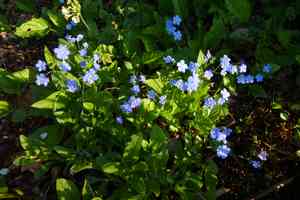
Blue-eyed mary, a shade-loving groundcover featuring vibrant blue blossoms, flourishes with infrequent trimming. After its blooming period, snip off spent flowers to stimulate a subsequent flowering cycle and preserve its form. In spring, perform a light pruning to eliminate any deceased leaves. Throughout summer and autumn, further opportunities arise for subtle shaping and the removal of spent blooms. The advantages of pruning encompass more robust development and increased floral production. Avoid severe cutting to safeguard its fragile structure. Always employ sanitized, sharp implements for accurate incisions.
Advantages of Trimming Blue-eyed Mary
Advantages of Trimming Blue-eyed Mary
Trimming blue-eyed mary promotes a fuller and more abundant flowering, stimulates robust development, and maintains a neat, controlled form. Regular trimming prevents excessive growth, ensuring the plant's attractive shape is preserved.
Optimal Time for Trimming Blue-eyed Mary
Optimal Time for Trimming Blue-eyed Mary
Trimming blue-eyed mary in early spring allows for the removal of dead or damaged leaves before new growth begins. This timing supports the plant's rapid spring development by directing its energy towards producing healthy new leaves and stems. Additionally, trimming blue-eyed mary immediately after its blooming period, typically in spring, enhances the plant's health and prepares it for the next year's growth by preventing energy waste on seed production. Furthermore, it enables the gardener to shape the plant and maintain its desired size. Avoid trimming blue-eyed mary in late fall, as freshly cut stems can be harmed by winter frost, hindering the plant's resilience.
Tools Required for Trimming Blue-eyed Mary
Bypass Pruners
Ideal for making precise cuts on the slender stems of blue-eyed mary, bypass pruners offer accuracy and cause minimal harm to the plant's delicate tissues.
Garden Scissors
Blue-eyed mary has soft stems, and garden scissors are perfect for snipping off spent flowers or leaves, ensuring a tidy and healthy plant.
Hand Shears
For shaping blue-eyed mary and managing its spread, hand shears can quickly and uniformly trim the plant while preserving its natural appearance.
How to Trim Blue-eyed Mary
Sanitize tools
Disinfect pruning shears or scissors with isopropyl alcohol or a bleach solution to prevent disease transmission when trimming blue-eyed mary.
Remove diseased foliage
Carefully cut away any diseased leaves at their base where they connect to the stem, ensuring the entire leaf, including the leaf stalk, is removed to prevent further infection in blue-eyed mary.
Trim withered leaves
Snip off withered leaves at the base of the leaf stalk, maintaining the aesthetic appeal of blue-eyed mary and encouraging healthy new growth.
Deadhead spent flowers
Pinch or cut off faded flowers just below the flower head to promote continuous blooming and prevent blue-eyed mary from expending energy on seed production.
Clean up
Gather and discard all removed plant material from around blue-eyed mary to reduce the likelihood of disease and pests.
Common Trimming Errors with Blue-eyed Mary
Excessive trimming
Removing too much foliage from blue-eyed mary can hinder its growth and result in a weak plant less capable of resisting pests or harsh weather conditions.
Trimming too soon
Cutting back blue-eyed mary before it has a chance to establish can impede the proper development of roots and foliage, which are essential for a healthy plant.
Using dull implements
Trimming blue-eyed mary with dull or unclean tools can lead to ragged cuts that are more prone to disease and may delay the plant's recovery.
Neglecting deadheading
Failing to remove spent blooms can cause blue-eyed mary to direct energy towards seed production instead of new growth or next season's flowers.
Trimming for shape only
Focusing solely on the shape of blue-eyed mary when trimming without considering the plant's health and natural growth patterns can result in unhealthy development and reduced flowering.
General Trimming Advice for Blue-eyed Mary
Sharp tools
Always use sharp, clean pruning shears to make precise cuts on blue-eyed mary, which will help prevent disease and allow the plant to recover more quickly.
Careful cutting
Trim blue-eyed mary by removing only the necessary amount of growth to maintain a desirable size and shape, and to eliminate any dead or diseased foliage.
Deadheading
Regularly deadhead spent flowers of blue-eyed mary to encourage new blooms and prevent the plant from investing energy in seed production.
Natural form
When trimming blue-eyed mary, aim to preserve the plant's natural shape for aesthetic reasons and to promote healthy growth, cutting away only what is essential.
Post-blooming trim
After blue-eyed mary has finished flowering, lightly trim back the plant to maintain its compact form and stimulate new growth and additional blooms in the subsequent season.



