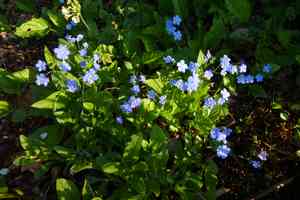
Blue-eyed mary (Omphalodes verna)
Also known as: Creeping forget-me-not
Blue-eyed Mary (Collinsia verna) is a North American native plant within the Plantaginaceae family. The common name "Blue-eyed Mary" reflects the plant’s vivid blue and white blossoms, reminiscent of traditional depictions of the Virgin Mary dressed in blue. This plant thrives as an attractive groundcover when planted in clusters.
In This Article
Attributes of Blue-eyed mary
Lifespan
Perennial, Annual
Plant Type
Herb
Plant Height
20 cm to 30 cm
Spread
22 cm to 30 cm
Leaf Color
Green
Flower Size
8 mm to 1 cm
Flower Color
Blue White
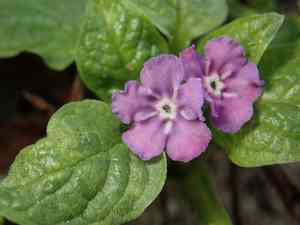
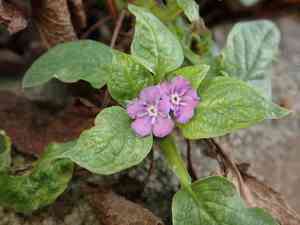
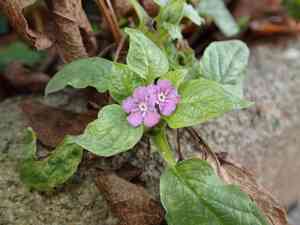
Images of Blue-eyed mary
Quickly Identify Blue-eyed mary
1
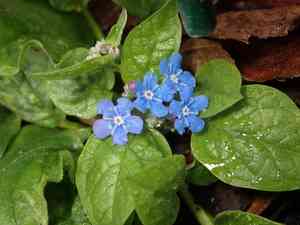
Omphalodes verna can be identified by its heart-shaped, bright green leaves and clusters of small, bright blue flowers with a white eye, typically blooming in early spring.
Scientific Classification of Blue-eyed mary
Phylum
Vascular plants
Class
Dicotyledons
Order
Boraginales
Family
Borage
Genus
Navelwort
Species
Blue-eyed mary
Planting and Growing of Blue-eyed mary
Care Difficulty
Easy
Watering Schedule
Every 4 days
Sunlight Requirements
Partial sun
Sunshine Duration
4-6 hours
Ideal Temperature
60-70℉
Soil Type
Potting Mix, Peat Mix
Soil pH
6.5-7.5
Fertilizer Type
Balanced
Pruning Season
Spring, Summer
Pruning Area
Branches, Leaves
Pruning Frequency
2 times a year
Repotting Season
Spring
Pot Type
Plastic, Ceramic
 How to Water Blue-eyed mary?
Watering Omphalodes verna requires a delicate balance—generally about 250 milliliters per watering. Always ensure the soil is moist but not waterlogged. This plant prefers consistency where the top inch of soil is kept slightly damp. The goal is to mimic its natural woodland habitat, with a gentle, even moisture level.
What are the symptoms of an underwatered Blue-eyed mary?
›
What should I do if my Blue-eyed mary is not getting enough water?
›
What are the symptoms of an overwatered Blue-eyed mary?
›
How to save an overwatered Blue-eyed mary?
›
 What Are the Sunlight Requirements for Blue-eyed mary?
Omphalodes verna prefers partial sun to full shade, benefiting from filtered light or dappled sun. Ideal light conditions enhance its flowering potential and ensure robust foliage, contributing to a visually appealing plant.
More About Sunlight Requirements Techniques→
What is the best light condition for Omphalodes verna?
›
How can I provide the ideal lighting conditions for Omphalodes verna?
›
What are the benefits of providing ideal lighting conditions for Omphalodes verna?
›
 What Is the Ideal Temperature Range for Blue-eyed mary?
Omphalodes verna thrives best in an ideal temperature range between 60°F to 70°F. This range offers the optimal conditions for photosynthesis and nutrient uptake, ensuring robust growth. Maintaining this temperature range facilitates healthy foliage development and enhances the plant's flowering potential.
 What Soil is Best for Blue-eyed mary?
Omphalodes verna thrives in soil that retains moisture yet drains well. The balance allows it to stay hydrated without the risk of root rot, making loam and sandy loam ideal. Rich, loamy soil packed with organic matter supports the dense growth of Omphalodes verna. This nutrient abundance encourages vibrant blue blooms and healthy foliage. A soil pH ranging between 6.5 and 7.5 is optimal, providing a mildly acidic to neutral environment where nutrient uptake is maximized for this perennial beauty.
 How to Fertilize Blue-eyed mary?
Omphalodes verna benefits from a balanced fertilizer application that supports healthy leaf growth and flower production. Use a standard 10-10-10 fertilizer, applying about 1 tablespoon per gallon of water for liquid applications or around 1/4 cup of slow-release granules per square foot annually.
 How to Prune Blue-eyed mary?
Begin by taking a pair of clean, sharp pruning shears. Trim back any spent flowers at their base to promote new blooms. Focus on removing dead or damaged stems to improve the plant's health. Shape the plant to maintain its natural form, cutting just above a leaf node to encourage bushier growth.
More About Pruning Techniques→
 How to Propagate Blue-eyed mary plant?
1
Collect seeds from mature plants once they have dried on the plant. Ensure that the seeds are fully matured to enhance germination rates. Clean and dry the seeds before storing them if they are not to be sown immediately.
2
Take cuttings from healthy, non-flowering shoots preferably early in the morning. Cut just below a leaf node using sanitized pruners to reduce the risk of transmitting diseases. Ensure each cutting is approximately 10cm long.
3
Carefully dig up established plants during early spring when the plant is just beginning to show new growth. Gently separate the roots into smaller, viable clumps ensuring each has a good number of shoots and roots.
 How to Repot Blue-eyed mary plant?
1
Omphalodes verna needs repotting when its growth seems stunted, roots start emerging through drainage holes, or the soil loses its effectiveness at retaining moisture. Repotting in early spring encourages healthy new growth for the upcoming season.
2
Select a pot slightly larger than the current one, with adequate drainage holes. This helps prevent root rot and provides space for the root system to expand, promoting a thriving plant environment.
3
Opt for a well-draining loamy soil mix with organic components. Such soil ensures balanced moisture retention and aeration, crucial for Omphalodes verna to flourish without the risk of waterlogging.



