The Blue-eyed mary Plant Advantage: Maximizing Home and Office Appeal and Wellness
1
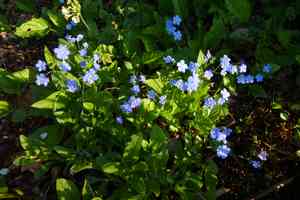
Blue-eyed mary is an easy-to-care-for plant that flourishes in low-light conditions.
2
Blue-eyed mary draws in beneficial insects like bees and butterflies to your outdoor space.
3
Blue-eyed mary offers aesthetic appeal, boosting the beauty of your garden.
Why Blue-eyed Mary is an Excellent Addition to Your Garden
Effortless Upkeep
A key attractive quality of Blue-eyed Mary is its minimal care requirements. This plant flourishes in shaded spots with little attention, making it a superb option for both new and seasoned gardeners. It doesn't demand frequent watering or feeding, allowing you to spend less time tending and more time appreciating its charm.
Versatility in Soil Types
Another benefit of Blue-eyed Mary is its capacity to adapt to diverse soil compositions. Whether your garden features clay, loam, or sandy soil, Blue-eyed Mary can thrive with minor adjustments. This flexibility makes it a great choice for various garden environments, ensuring you won't need to heavily modify your soil to grow this plant.
How Blue-eyed Mary Enhances Garden Beauty
Appealing Leaves and Blooms
Blue-eyed Mary is celebrated for its attractive foliage and vibrant flowers, which bring a burst of color to any garden. The distinct blue shade of its blossoms can complement other plants and create a visually pleasing landscape. Its leaves stay lush throughout the growing season, offering continuous visual interest.
Ground Cover Advantages
Beyond its visual appeal, Blue-eyed Mary functions as an excellent ground cover. Its dense growth habit helps suppress weeds, reducing the need for chemical herbicides and manual weeding. Additionally, its foliage can help retain soil moisture, promoting healthier soil conditions and contributing to the overall well-being of your garden.
The Environmental Benefits of Blue-eyed Mary
Attracts Pollinators
Blue-eyed Mary plays a vital role in supporting local ecosystems by drawing in pollinators like bees and butterflies. These pollinators are crucial for the reproduction of many plants and contribute to biodiversity. By planting Blue-eyed Mary, you can create a sanctuary for these beneficial insects, helping to sustain their populations.
Prevents Soil Erosion
Another significant ecological advantage of Blue-eyed Mary is its ability to prevent soil erosion. Its strong root system helps to secure the soil, stopping it from being washed away by rain. This makes Blue-eyed Mary an excellent choice for areas prone to erosion, such as slopes and embankments.
Practical Applications for Blue-eyed Mary
Border Planting
Blue-eyed Mary is perfect for border planting, thanks to its compact and spreading growth habit. It can be used to define garden edges or pathways, adding structure and design to your garden layout. The plant's low stature ensures it won't overshadow nearby plants, making it a versatile option for various garden designs.
Container Cultivation
If you have limited garden space, Blue-eyed Mary is also suitable for container gardening. Its adaptability and low-maintenance nature make it an excellent choice for pots and planters. You can place these containers on patios, balconies, or even indoors, allowing you to enjoy the plant's beauty in a confined area.
Common Misconceptions About Blue-eyed Mary
Myth: Blue-eyed Mary Needs Constant Sun
Contrary to popular belief, Blue-eyed Mary does not require continuous sunlight to flourish. In fact, it prefers shaded or partially shaded locations, making it a great option for gardeners with areas that receive limited sun exposure.
Myth: Blue-eyed Mary Is Pest-Prone
Another common misconception is that Blue-eyed Mary is particularly vulnerable to pests. While no plant is entirely immune to pest issues, Blue-eyed Mary is relatively resilient and less likely to suffer from severe infestations compared to many other garden plants.



