How to Prune Creeping-bluet?
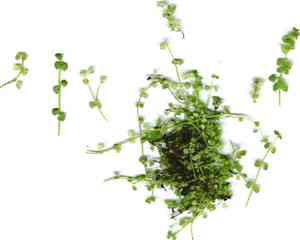
Perfect for covering ground, creeping-bluet flourishes with consistent cutting to foster thick development. Perform pruning in Spring, Summer, and Autumn while the plant is vigorously expanding. Employ sharp shears to precisely cut back sprawling areas and eliminate any discolored or lifeless leaves. Trimming not only preserves visual appeal but also stimulates more robust, denser coverage. Verify that implements are sanitized to avert the spread of pathogens.
What Are the Benefits of Pruning Creeping-bluet?
What Are the Benefits of Pruning Creeping-bluet?
Trimming creeping-bluet encourages robust development and maintains its compact shape. Consistent cutting helps prevent excessive growth, ensures even resource distribution, and keeps the plant visually appealing. This is vital for both aesthetic appeal and plant well-being.
What Is the Best Time for Pruning Creeping-bluet?
What Is the Best Time for Pruning Creeping-bluet?
Pruning creeping-bluet in Spring is highly effective as it prepares the plant for vigorous growth during the active season, ensuring healthier and more attractive development. Summer trimming can be done to maintain form and control any rampant growth, which is common due to the plant's active growth phase. Autumn pruning is suitable for removing any dead or diseased foliage before the plant enters its dormant state in the winter, thus preserving overall plant health and preventing disease spread.
What Tools Do I Need to Prune Creeping-bluet?
Precision snips or fine pruning shears
Given the delicate and small-scale nature of creeping-bluet's growth, precision snips or fine pruning shears are essential. These enable accurate, gentle cuts that avoid harming the plant's structure.
Soft-tipped tweezers
For more detailed work, such as thinning dense growth areas without disturbing nearby plants, soft-tipped tweezers can be very effective. They assist in carefully removing unwanted or dead foliage from creeping-bluet, minimizing damage to its compact form.
How to Prune Creeping-bluet
Disinfect
Before beginning the pruning process, sanitize all pruning tools. This prevents the spread of diseases and pests to creeping-bluet. Use isopropyl alcohol or a 10% bleach solution to thoroughly clean the blades.
Identify
Carefully examine creeping-bluet for any withered or dead leaves. These are typically pale, dry, and may be curled or crumpled. Accurately identifying these parts ensures that only unnecessary plant material is removed, promoting healthier growth.
Trim
Using sharp scissors or pruning shears, gently cut off the withered leaves at their base near the stem. Be careful not to cut into the healthy part of the stem or nearby healthy leaves to avoid causing stress or injury to creeping-bluet.
Clean
After pruning, clear away all removed material from around the plant. This helps prevent any fungal or bacterial diseases from developing in the decaying plant matter.
Monitor
Regularly observe creeping-bluet after pruning for any signs of stress or further wilting. This aids in early detection of potential issues and contributes to ongoing plant health maintenance.
Common Pruning Mistakes with Creeping-bluet
Over-pruning
Cutting back too much of creeping-bluet at once can shock the plant, leading to reduced vigor and sparse growth.
Improper tool use
Using dull or dirty tools can damage creeping-bluet's delicate stems, potentially introducing diseases.
Pruning at node joints
Incorrectly cutting above or too far from node joints may prevent new growth or cause uneven, leggy growth.
Common Pruning Tips for Creeping-bluet
Clean, sharp tools
Ensure pruning shears are clean and sharp to make precise cuts and prevent damage to creeping-bluet's fragile stems.
Light pruning
Perform light, frequent pruning to maintain the desired shape and density without stressing creeping-bluet.
Cutting technique
Make cuts at a 45-degree angle just above a leaf node to encourage fuller, healthier growth and potentially more flowering sites.



