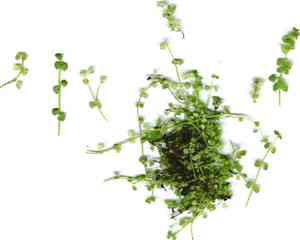
Creeping-bluet (Oldenlandiopsis callitrichoides)
Also known as: None
Oldenlandiopsis callitrichoides gets its name from its resemblances to other plant genera. The genus name suggests a similarity to Oldenlandia, while the specific epithet "callitrichoides" implies a likeness to the genus Callitriche in the Plantaginaceae family. This species was initially described by August Grisebach in 1862 as Oldenlandia callitrichoides, with the formal publication appearing the next year in the Memoirs of the American Academy of Arts and Sciences.
In This Article
Attributes of Creeping-bluet
Lifespan
Annual, Perennial
Plant Type
Herb
Plant Height
Up to 1 cm
Spread
N/A
Leaf Color
Green
Flower Size
Very small, less than 1 cm
Flower Color
White
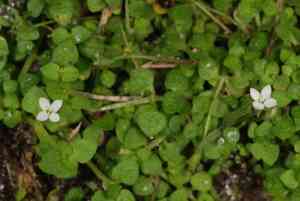
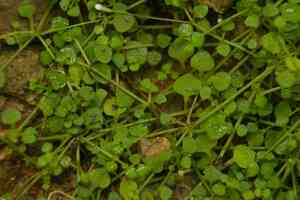
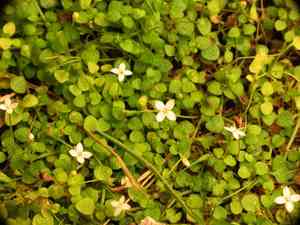
Images of Creeping-bluet
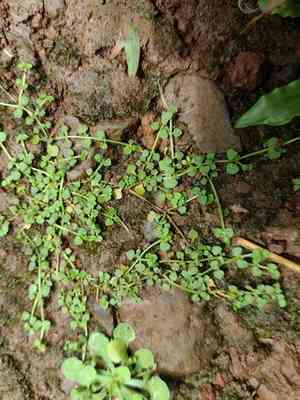
Quickly Identify Creeping-bluet
1
Oldenlandiopsis callitrichoides can be recognized by its very small, opposite leaves that are linear to narrowly spatulate. The plant often forms dense, carpet-like mats in aquatic or semi-aquatic environments.
Scientific Classification of Creeping-bluet
Phylum
Vascular plants
Class
Dicotyledons
Order
Gentianales
Family
Madder
Genus
Creeping-bluet
Species
Creeping-bluet
Planting and Growing of Creeping-bluet
Care Difficulty
Easy
Watering Schedule
Every 4 days
Sunlight Requirements
Partial sun
Sunshine Duration
6-10 hours
Ideal Temperature
75-82℉
Soil Type
Potting Mix, Peat Mix
Soil pH
6.5-7.5
Fertilizer Type
Balanced
Pruning Season
Spring, Summer
Pruning Area
Branches, Leaves
Pruning Frequency
2 times a year
Repotting Season
Spring
Pot Type
Plastic, Ceramic
 How to Water Creeping-bluet?
For Oldenlandiopsis callitrichoides, you should water with about 100 milliliters each time. Ensure the soil is moist but not overly soggy. The plant requires a balance; too little water can dry it out, while too much can cause root rot. Observe the soil's top layer; when it starts to feel dry, it's time for a drink.
What are the symptoms of an underwatered Creeping-bluet?
›
What should I do if my Creeping-bluet is not getting enough water?
›
What are the symptoms of an overwatered Creeping-bluet?
›
How to save an overwatered Creeping-bluet?
›
 What Are the Sunlight Requirements for Creeping-bluet?
The ideal light range for Oldenlandiopsis callitrichoides is partial sun, which helps maintain balanced growth. Ideal lighting supports strong stem development, green foliage, and optimal propagation in its environment.
What is the best type of light for Oldenlandiopsis callitrichoides?
›
How should I ensure consistent lighting for this plant?
›
What benefits does ideal lighting provide to Oldenlandiopsis callitrichoides?
›
 What Is the Ideal Temperature Range for Creeping-bluet?
The ideal temperature range for Oldenlandiopsis callitrichoides is between 75 and 82 degrees Fahrenheit. This range provides the optimal conditions that promote healthy growth and vibrant foliage, ensuring the plant maintains its metabolic functions efficiently.
 What Soil is Best for Creeping-bluet?
Oldenlandiopsis callitrichoides thrives in soil that retains adequate moisture without becoming waterlogged. This property ensures the plants receive consistent hydration, promoting lush and healthy growth. Access to balanced nutrients is essential for Oldenlandiopsis callitrichoides. A nutrient-rich soil encourages vigorous growth and vibrant foliage, enhancing the plant's visual appeal. Good drainage is crucial to prevent root rot and fungal infections. Soil that facilitates effective water drainage keeps the plant's roots healthy, promoting steady development.
 How to Fertilize Creeping-bluet?
Oldenlandiopsis callitrichoides, commonly known as 'dwarf baby tears,' requires a careful balance in fertilization to thrive. For liquid fertilizers, it's optimal to dilute them to half of the recommended strength to prevent root burn, ensuring gentle yet consistent nutrient uptake. Care should be taken to adjust based on visible plant response and growth rate.
 How to Prune Creeping-bluet?
To maintain a healthy and vibrant look, it's crucial to prune regularly. Remove yellowing or dead leaves to prevent decay and promote airflow among the remaining leaves. This not only keeps your plant looking good but also supports its overall health. While it's important to keep the plant tidy, removing too much foliage at once can stress it. Aim to cut back no more than a third of the plant's volume at any one time. This ensures that the Oldenlandiopsis Callitrichoides has enough foliage left to carry out photosynthesis and recover from the pruning.
More About Pruning Techniques→
 How to Propagate Creeping-bluet plant?
1
Begin by soaking seeds in water for 12-24 hours to improve germination. This step rehydrates the seeds and initiates the germination process, leading to quicker sprouting when planted.
2
Select healthy, disease-free stems from the parent plant for cuttings. Ensure each cutting is at least 4-6 inches long with multiple leaves, which aids in quicker rooting and establishment.
3
Divide the plant carefully using a sharp tool to avoid root damage. Make sure each division has a healthy root system; this ensures successful transplanting and growth of the new plants.
 How to Repot Creeping-bluet plant?
1
Monitor for slow growth, roots appearing at pot surface, or water sitting on top. Spring or summer repotting encourages active growth. Look for signs like overcrowded foliage or poor drainage.
2
Select a pot slightly larger than the current one to avoid root rot. Ensure it has adequate drainage holes. A breathable material, like terracotta, allows for healthy gas exchange, which benefits root health.
3
Choose a soil that retains moisture yet drains well. A mix with organic matter offers nutrients, improving plant health. This prevents root rot and encourages vigorous growth by maintaining an optimal moisture level.
Learn More About Creeping-bluet Diseases
Anthracnose
Bacterial Leaf Spot
Bacterial Soft Rot
Bacterial Wilt
Black Spot
Chemical Injury
Crown Gall
Cyst Nematode
Damping-off
Downy Mildew
Drought Stress
Fusarium Wilt
Gray Mold
Leaf Curl
Leaf Spot
Mosaic
Nutrient Deficiency
Nutrient Toxicity
Powdery Mildew
Root Rot
Root-knot Nematode
Rusts
Sooty Mold
Spider Mites
Temperature Stress
Thrips Damage
White Mold



