How to Propagate Creeping-bluet?
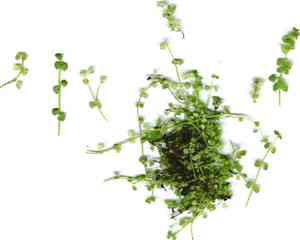
Houstonia serpyllifolia, a fragile ground-hugging plant, flourishes in damp, adequately drained earth with moderate to ample sun exposure. For successful reproduction, direct seeding in the intended spot is advised, making sure the soil stays uniformly hydrated to aid sprouting and root development. Careful handling is essential during the planting phase to safeguard the tender quality of young plants, promoting ideal growth circumstances from the beginning.
Optimal Period for Creeping-bluet Propagation
Propagation Method
Sowing
Propagation Season
Spring
Essential Tools for Creeping-bluet Propagation
Seed trays
Seed trays are perfect for sowing the tiny seeds of creeping-bluet in a controlled setting. These trays aid in spreading seeds evenly over damp soil, ensuring each seed has enough room to sprout without competition. The shallow compartments are especially good for creeping-bluet's delicate seedlings, promoting better root growth and easier transplanting.
Fine vermiculite or perlite
A layer of fine vermiculite or perlite on top of the soil can be used to cover creeping-bluet's minute seeds, which need light to germinate. These materials offer a loose, airy covering, maintaining necessary moisture and temperature while allowing light to reach the seeds. This encourages successful germination and healthy initial root and shoot development.
Spray bottle
A spray bottle is crucial for gently watering creeping-bluet seeds without disturbing them. Given creeping-bluet's need for a consistently moist environment during germination, the fine mist from a spray bottle provides the required hydration without causing soil erosion or seed displacement, which is vital for the sensitive seeds of creeping-bluet.
Heating mat
A heating mat can be important when propagating creeping-bluet, especially in cooler climates. This tool helps maintain the optimal soil temperature required for seed germination. By providing consistent warmth, a heating mat ensures that the temperature-sensitive seeds of creeping-bluet have the best conditions for growth, thereby increasing germination success rates.
Grow lights
If natural light conditions are not ideal, grow lights can be used to supplement or replace sunlight for germinating creeping-bluet seeds. They ensure that creeping-bluet receives the adequate light spectrum and intensity required for photosynthesis, promoting stronger growth and development during the critical early stages of life.
How to Propagate Creeping-bluet?
Propagation Type
Easy
Post-Propagation Care for Creeping-bluet
How to Care for Your Newly Propagated Creeping-bluet?
After transplanting, ensure creeping-bluet receives adequate sunlight, preferably partial shade to avoid scorching. Keep the soil consistently moist but not waterlogged. Regularly check for pests and remove any weeds that may compete for nutrients. Fertilize sparingly with a balanced, water-soluble fertilizer every few weeks to promote vigorous growth.
Common Mistakes to Avoid When Propagating Creeping-bluet
Overwatering
Excessive watering can lead to root rot or fungal growth for creeping-bluet, which prefers slightly moist but well-drained conditions. Saturated soil can suffocate the roots, hindering growth and potentially causing the plant to perish.
Using poor drainage media
Selecting a propagation medium that retains too much water can be detrimental for creeping-bluet, as it requires a mix that can hold moisture yet drain quickly. Poor drainage can discourage root development and expose the plant to risks of root diseases.
Too much handling or disturbance
Frequent handling or disturbing the roots during propagation can stress creeping-bluet. This plant needs careful handling to avoid damaging the delicate roots and shoots, crucial for successful establishment.
Tips For Propagating Creeping-bluet
Use sharp tools
Ensure that cutting tools are sharp and clean when taking cuttings of creeping-bluet to avoid crushing or tearing the stems. Clean cuts heal faster and are less susceptible to infections, promoting healthier propagation.
Balanced light exposure
Provide indirect, bright light for optimal propagation of creeping-bluet. Insufficient light can lead to weak, elongated growth, whereas too much direct sunlight can scorch the tender new growths.
Appropriate humidity levels
Maintaining moderate humidity around creeping-bluet during propagation will support the development of new shoots and roots. A humidity dome or a simple plastic bag can be used to retain moisture and warmth around the plant.



