How to Prune Madagascar olive?
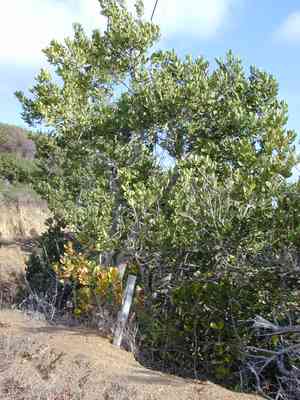
The Madagascar olive, recognized for its lustrous evergreen foliage and tiny yellow blossoms, thrives with winter trimming. This method aids in preserving its form and stimulating strong development. Trim the Madagascar olive by eliminating deceased or ailing branches and thinning congested sections to boost air movement. The ideal period in winter facilitates recuperation and energetic spring development. Truning elevates its aesthetic appeal and well-being, diminishing the occurrence of pests and illnesses.
What Are the Benefits of Pruning Madagascar Olive?
What Are the Benefits of Pruning Madagascar Olive?
Trimming madagascar olive encourages strong development and maintains its desired form. Strategic cuts improve air flow and light access, vital for vigorous health and attractive shape.
What Is the Best Time for Pruning Madagascar Olive?
What Is the Best Time for Pruning Madagascar Olive?
Pruning madagascar olive during winter is optimal as it's typically a dormant period for the plant. This timing minimizes stress on madagascar olive, allowing it to conserve energy and resources. Winter pruning prepares madagascar olive by removing old or overgrown branches, which helps promote vigorous spring growth and enhances flowering or fruit production in the following season. Furthermore, the absence of leaves during this period provides better visibility for identifying and making precise cuts, ensuring a healthier structure and appearance for madagascar olive.
What Tools Do I Need to Prune Madagascar Olive?
Hand Pruners
Perfect for trimming smaller branches and twigs of madagascar olive, hand pruners offer precision and ease of use, helping maintain the plant's desired shape without causing excessive damage to delicate branches.
Lopping Shears
Useful for cutting thicker branches that hand pruners cannot manage, lopping shears provide the necessary leverage for clean cuts on branches up to 1.5 inches in diameter, promoting healthy regrowth and preserving the structural integrity of madagascar olive.
Pruning Saw
For larger branches exceeding 1.5 inches in diameter, a pruning saw is essential. It allows for cutting through thicker growth without causing splintering or uneven cuts, which could lead to disease or pest infestation in madagascar olive.
Hedge Shears
When shaping the outer foliage and maintaining the dense, bushy appearance of madagascar olive, hedge shears help create uniform hedges or borders by providing a straight, clean cut across softer, leafy materials.
How to Prune Madagascar Olive
Identify
Examine madagascar olive closely to locate all dead and diseased branches. These are typically characterized by dry, brittle wood and may show discoloration or signs of fungal infection.
Sterilize
Before beginning the pruning process, sanitize all pruning tools to prevent disease spread. Use either rubbing alcohol or a solution of one part bleach to nine parts water to clean the blades.
Cut
Using sharp, clean pruning shears, carefully cut dead or diseased branches at their base, close to the main stem. Make cuts at a slight angle to encourage water runoff and prevent damage to the main stem.
Smooth
After removing branches, smooth the cut surfaces with a sharp knife to encourage faster healing while minimizing areas where pests or diseases could enter.
Disposal
Properly dispose of all removed branches and leaves to prevent any diseases from spreading in the garden. Do not compost diseased material; instead, burn it or discard it with household waste.
Common Pruning Mistakes with Madagascar Olive
Over-pruning
Removing too much foliage at once can stress madagascar olive, hindering its ability to photosynthesize effectively and recover from pruning. Over-pruning, especially in younger plants, can lead to reduced vigor and sparse foliage.
Improper cuts
Making cuts too far from a bud, or sloppily, can result in jagged wounds that do not heal properly, making madagascar olive susceptible to disease and pest infestations. It's crucial to use sharp, clean pruning tools.
Neglecting old growth
Failing to remove older, woody stems can prevent madagascar olive from producing new, healthy shoots. This can lead to a less vigorous plant with diminished aesthetic and productive value.
Common Pruning Tips for Madagascar Olive
Selective pruning
Focus on thinning out crowded areas to improve air circulation and light penetration, which are essential for the health of madagascar olive. This encourages more robust growth and blooms.
Timing of cuts
Make cuts at a 45-degree angle just above a bud that faces the exterior of the plant. This promotes outward growth, helping madagascar olive maintain an open, attractive shape and prevents water from accumulating on the cut surfaces, reducing disease risks.
Regular maintenance
Regularly check for and prune out dead or diseased wood. This not only keeps madagascar olive looking well-maintained but also reduces the likelihood of disease spread, promoting a healthier plant.



