How to Propagate Madagascar olive?
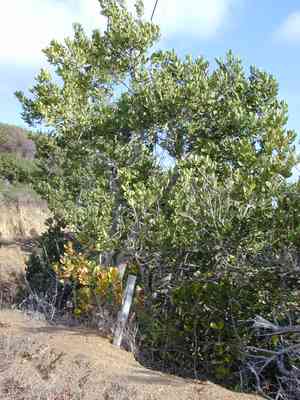
Madagascar olive flourishes when reproduced via cuttings. To encourage robust root formation and boost survival chances, apply a rooting stimulant to the stem sections. Verify that the cuttings originate from vigorous, pathogen-free parent specimens. Embed these in adequately draining substrate, keeping it damp but not saturated, to prevent root decay. Supplying a consistent setting with diffused illumination will foster the ideal development of young plants.
Optimal Time for Madagascar Olive Propagation
Propagation Method
Cutting
Propagation Period
Autumn,Winter
Tools for Madagascar Olive Propagation
Sharp Pruning Shears
Crucial for making clean, precise cuts on madagascar olive stems, sharp pruning shears minimize plant tissue damage, fostering healthier root development during cutting propagation. Clean cuts are vital for preventing infection and boosting propagation success.
Rooting Hormone
This chemical compound stimulates root growth in madagascar olive cuttings, significantly enhancing the likelihood of successful plant establishment. Applying rooting hormone to the stem's cut end before planting promotes faster adaptation and robust root system development, essential for a newly propagated plant's survival and growth.
Sterile Potting Mix
Using a sterile potting mix ensures madagascar olive cuttings are planted in a disease-free environment, reducing the risk of soil-borne infections. A well-draining, nutrient-rich mix supports initial growth by providing optimal aeration, moisture, and nutrients.
Propagation Tray
Ideal for managing multiple madagascar olive cuttings in a confined space, propagation trays help maintain consistent conditions for all cuttings. Trays also simplify moisture, temperature, and cleanliness management during the critical rooting phase.
Humidity Dome
Covering madagascar olive cuttings with a humidity dome helps maintain high humidity levels around them, crucial for preventing moisture loss through leaves and stems. This is especially important for madagascar olive, as adequate moisture significantly impacts rooting success.
How to Propagate Madagascar Olive?
Propagation Type
Moderately Difficult
Caring for Your Newly Propagated Madagascar Olive
Caring for Your Newly Propagated Madagascar Olive?
Once roots are established, gradually introduce the young madagascar olive plant to less humid conditions by removing the plastic cover for increasing durations daily. After a week of adjustment, repot it into a larger container with standard potting soil. Provide bright, indirect light and water when the top inch of soil feels dry. Maintain a stable temperature and avoid sudden fluctuations to ensure consistent growth.
Common Propagation Errors for Madagascar Olive
Inadequate light conditions
Placing madagascar olive in either extremely low light or harsh direct sunlight can hinder root development and growth. Insufficient light leads to weak, elongated growth, while excessive light can cause scorching and dehydration.
Overwatering during rooting
Excessive watering of madagascar olive during the rooting phase can lead to root rot and fungal infections, severely impeding successful propagation. This plant prefers well-drained soil that remains slightly moist.
Using non-sterile propagation medium
Employing non-sterile soil or containers when propagating madagascar olive exposes cuttings to pathogens, which can cause disease and decay before successful rooting occurs.
Tips For Propagating Madagascar Olive
Use semi-hardwood cuttings
Choosing semi-hardwood cuttings for madagascar olive increases the likelihood of successful rooting. These cuttings have partially matured wood that tends to root better and withstand handling and environmental changes.
Maintain high humidity
Keeping the environment around madagascar olive highly humid (using a humidity dome or frequent misting) encourages root formation without requiring excessive soil watering that could lead to root rot.
Choose the right substrate
Using a well-draining, fertile, and neutral to slightly acidic potting mix optimizes root growth and health for madagascar olive. A blend of peat, perlite, and sand often yields the best results.



