The Madagascar olive Plant Advantage: Maximizing Home and Office Appeal and Wellness
1
Madagascar olive is prized for its aesthetic appeal in garden design.
2
The foliage of Madagascar olive yields vital oils that may have various uses.
3
This species originates from Madagascar and flourishes in warm, humid environments.
What Makes Madagascar olive Stand Out?
Ornamental Value
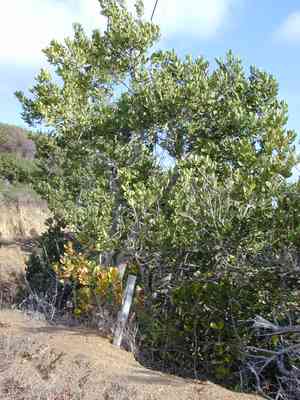
Madagascar olive is highly prized for its decorative qualities. With its shiny green foliage and small, subtle blossoms, it enhances gardens and outdoor spaces. Often utilized as an accent plant, it introduces an exotic flair to exterior environments.
Low Maintenance Requirements
A key benefit of growing Madagascar olive is its minimal upkeep. The plant tolerates dry conditions and flourishes in diverse soil compositions, making it an excellent option for gardeners who prefer robust, resilient flora.
How Does Madagascar olive Contribute to Environmental Sustainability?
Erosion Control
Madagascar olive plays a vital role in preventing soil degradation. Its strong root system helps stabilize the earth, proving especially useful in areas prone to erosion. This trait makes it a valuable asset for conservation efforts.
Biodiversity Support
Madagascar olive offers a habitat for various avian species and insects, fostering local biodiversity. Incorporating Madagascar olive can improve the ecological balance in your garden or landscape, supporting a wide array of wildlife.
What Are the Practical Applications of Madagascar olive?
Essential Oils
The leaves of Madagascar olive are known to yield essential oils that have potential uses in aromatherapy and natural remedies. These oils are valued for their pleasant scent and potential wellness advantages, excluding any medical applications.
Wood and Timber Uses
Madagascar olive is also esteemed for its wood, which is durable and suitable for various carpentry and woodworking projects. The wood's attractive appearance makes it a preferred material for furniture and decorative items.
How to Care for Your Madagascar olive Plant
Watering and Soil Requirements
Madagascar olive needs minimal irrigation once established. It prefers well-draining soil but can adapt to various soil types. Consistent watering is essential during its initial growth, but the plant is drought-tolerant when mature.
Pruning and Maintenance
Pruning helps maintain the form and vitality of Madagascar olive. It is best performed during its dormant period to encourage new growth in spring. Remove any dead or damaged branches to keep the plant looking its best.
Where Can You Find Madagascar olive?
Native Habitat
Madagascar olive originates from Madagascar, thriving in tropical and subtropical climates. It can be found in both natural forests and cultivated settings.
Global Cultivation
Due to its appealing characteristics, Madagascar olive is grown in various regions worldwide. Gardeners and landscapers in suitable climates often select it for its ease of care and visual appeal.
Why Should You Consider Adding Madagascar olive to Your Garden?
Aesthetic Appeal
The ornamental value of Madagascar olive makes it a fitting choice for enhancing garden beauty. Its evergreen foliage provides year-round greenery, adding texture and color to any landscape.
Environmental Benefits
Beyond its beauty, Madagascar olive offers several ecological advantages, including erosion prevention and biodiversity support. Planting Madagascar olive contributes to a healthier ecosystem, making it a responsible choice for environmentally-aware gardeners.



