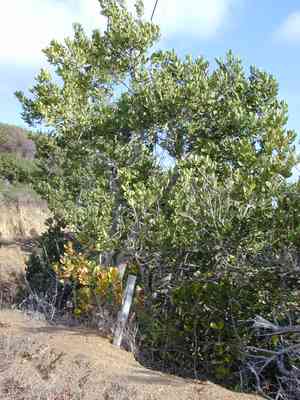
Madagascar olive (Noronhia emarginata)
Also known as: Madagascar Olive
The fruit is a globe-shaped to pear-shaped drupe, measuring 2 to 3 cm in diameter. It starts off bright yellow and ripens to a dark purple. When dried, it turns dark brown and becomes slightly rough. Inside, there's a single pear-shaped, dark russet seed about 1 to 1.2 cm long.
In This Article
Attributes of Madagascar olive
Lifespan
Perennial
Plant Type
Tree, Shrub
Plant Height
6 m to 8 m
Spread
4.5 m to 6 m
Leaf Color
Dark green
Flower Size
0.5-1 centimeters
Flower Color
White to cream
Images of Madagascar olive
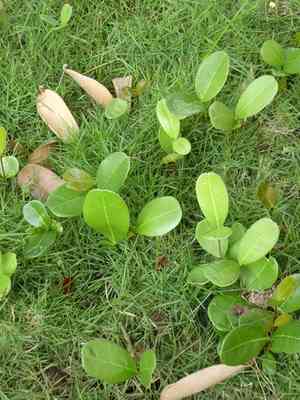
Quickly Identify Madagascar olive
1
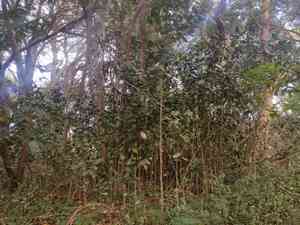
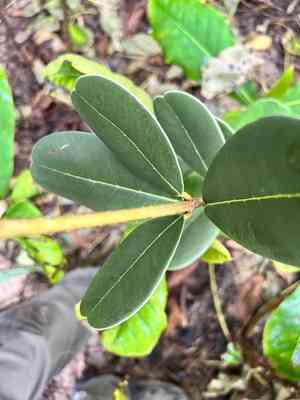
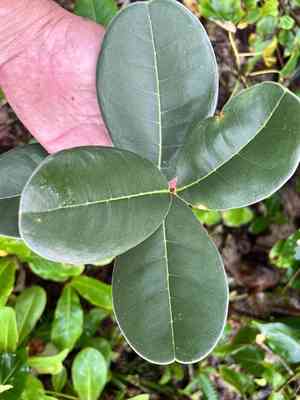
Noronhia emarginata can be identified by its opposite, elliptic to oblong leaves with a blunt or emarginate apex. Its small, white to cream-colored flowers and olive-like fruits are also key identifying features.
Scientific Classification of Madagascar olive
Phylum
Vascular plants
Class
Dicotyledons
Order
Lamiales
Family
Olive
Genus
Noronhia
Species
Madagascar olive
Planting and Growing of Madagascar olive
Care Difficulty
Easy
Watering Schedule
Every 2 days
Sunlight Requirements
Full sun
Sunshine Duration
6-10 hours
Ideal Temperature
65-75℉
Soil Type
Potting Mix, Peat Mix
Soil pH
6.5-7.5
Fertilizer Type
Balanced
Pruning Season
Spring, Summer
Pruning Area
Branches, Leaves
Pruning Frequency
2 times a year
Repotting Season
Spring
Pot Type
Plastic, Ceramic
 How to Water Madagascar olive?
For Noronhia emarginata, the recommended watering amount is around 250 milliliters each time. This amount ensures that the soil is evenly moist without being waterlogged. Always check that excess water drains out through the pot’s drainage holes, indicating that the soil has absorbed sufficient moisture.
What are the symptoms of an underwatered Madagascar olive?
›
What should I do if my Madagascar olive is not getting enough water?
›
What are the symptoms of an overwatered Madagascar olive?
›
How to save an overwatered Madagascar olive?
›
 What Are the Sunlight Requirements for Madagascar olive?
Partial sun is ideal, allowing Noronhia emarginata to soak up energy while being shielded from the heat of full sun. This ensures robust growth and vibrant foliage.
What is the optimal light condition for Noronhia emarginata?
›
Solutions to achieve this ideal light condition:
›
Benefits of maintaining this light condition:
›
 What Is the Ideal Temperature Range for Madagascar olive?
For optimal growth of Noronhia emarginata, maintaining temperatures between 65°F and 75°F is crucial. This range supports robust photosynthesis and healthy metabolism, essential for the plant's vigor and development. Consistently providing this temperature window minimizes stress and fosters lush foliage.
 What Soil is Best for Madagascar olive?
Noronhia emarginata thrives in well-draining soil, which ensures excess water does not pool around its roots. This is paramount in preventing root rot and fungal infections, promoting healthy root development and vigorous growth. The presence of essential nutrients within the soil promotes the luxuriant foliage and vibrant fruiting of Noronhia emarginata. Nutrient-rich soil supplies necessary elements such as nitrogen, phosphorus, and potassium, crucial for the plant's metabolic processes. Soil with moderate water retention ensures that Noronhia emarginata receives consistent moisture without becoming overly saturated. This balance supports sustained hydration while mitigating risks associated with overwatering.
 How to Fertilize Madagascar olive?
When it comes to the amount of fertilizer for Noronhia emarginata, moderation is key. For liquid fertilizers, use about half the recommended strength every two weeks during the growing season. For slow-release fertilizers, apply them sparingly, no more than a small spoonful around the base of the plant per application.
 How to Prune Madagascar olive?
When pruning Noronhia emarginata, focus on removing dead or damaged branches first. Use sharp, sterilized pruning shears to prevent disease. Cut at a 45-degree angle just above a leaf node to encourage branching and fuller growth. Pruning should aim to open the plant's canopy, allowing light and air to reach the inner areas. Trim back long, unruly branches to maintain the desired shape and size.
More About Pruning Techniques→
 How to Propagate Madagascar olive plant?
1
Before sowing the seeds, soak them in warm water for 24 hours to enhance germination rates. This process softens the seed coat, making it easier for the seedling to emerge.
2
Choose healthy, disease-free branches to take cuttings from. Ideally, select semi-hardwood cuttings, around 10-15 cm long, for optimal growth and rooting potential.
3
Prepare a well-draining seed compost in seed trays and sow seeds approximately 2 cm apart. Cover lightly with compost and water gently to avoid dislodging the seeds.
 How to Repot Madagascar olive plant?
1
Repot Noronhia emarginata when you notice roots coming out of the drainage holes or when growth has become stunted. Signs indicating it's time to repot include reduced flowering and a compact root ball. Choose a warm day in spring or summer to perform the task as the plant is more amenable to changes during its active growing seasons.
2
Select a pot that is just one size larger than the current one. It should have sufficient drainage holes to avoid waterlogging, which can cause root rot. A slightly bigger pot gives the roots room to expand without overwhelming the plant with excess soil, thereby supporting healthy growth.
3
Use a well-draining potting mix, as it prevents water retention which could lead to root rot. Opt for a mix that includes sand or perlite for improved drainage. This type of soil is ideal because it both supports the plant's nutritional needs while preventing harmful moisture buildup.
Learn More About Madagascar olive Diseases
Anthracnose
Bacterial Leaf Spot
Bacterial Soft Rot
Crown Gall
Damping-off
Downy Mildew
Drought Stress
Fusarium Wilt
Gray Mold
Leaf Curl
Leaf Spot
Mosaic
Nutrient Deficiency
Nutrient Toxicity
Powdery Mildew
Root Rot
Root-knot Nematode
Rusts
Sooty Mold
Spider Mites
Temperature Stress
Thrips Damage
White Mold



