How to Prune Nivenia levynsiae?
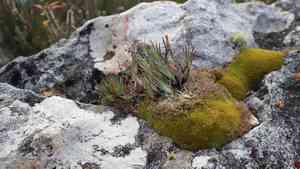
Nivenia levynsiae is recognized for its impressive blossoms. The best time for trimming is in early spring, right before new shoots emerge. Remove any lifeless or compromised stalks and improve air circulation by reducing dense sections. Avoid severe cutting, opting instead for regular, gentle trims to preserve its form and well-being. This boosts its capacity to flower and its general strength, guaranteeing a vigorous growth period. Consistent trimming also aids in disease prevention, fostering a more resilient plant.
What Are the Benefits of Pruning Nivenia Levynsiae?
What Are the Benefits of Pruning Nivenia Levynsiae?
Trimming nivenia levynsiae encourages robust development, maintains its form, boosts blooming, manages size, enhances appearance, and deters pests and illnesses. Regular trimming is crucial for preserving health and vitality, ensuring optimal flowering and growth.
What Is the Best Time for Pruning Nivenia Levynsiae?
What Is the Best Time for Pruning Nivenia Levynsiae?
Pruning nivenia levynsiae in early spring is ideal as it allows for rapid recovery when the plant enters its active growth phase. Trimming at this time promotes vigorous new growth and helps shape the plant before its flowering season. Early season pruning also lowers the risk of disease and pest issues, which are more prevalent in warmer months. This timing ensures the plant has ample opportunity to heal and thrive during its most energetic growth period.
What Tools Do I Need to Prune Nivenia Levynsiae?
Hand Pruners
These are perfect for making precise cuts on smaller branches and stems, suiting the delicate nature of nivenia levynsiae.
Pruning Shears
Useful for larger stems and branches, ensuring clean cuts vital for the plant's well-being.
Loppers
Best for reaching inner branches without disturbing the rest of the plant, important for maintaining nivenia levynsiae's growth structure.
Pruning Saw
Essential for cutting through thicker branches without harming the plant.
Bypass Pruners
Useful for close, clean cuts that prevent stem crushing, promoting healthier regrowth in nivenia levynsiae.
How to Prune Nivenia Levynsiae
Inspection
Carefully examine nivenia levynsiae for any diseased, withered, or dead branches. This evaluation helps pinpoint which parts require immediate removal to preserve the plantâs health.
Removal of diseased leaves
Using sanitized pruning shears, snip off any diseased leaves. Make clean cuts near the base of the leaf stem to prevent further disease spread.
Removal of withered leaves
Next, cut away any withered or yellowing leaves. These can deplete energy from healthy parts of nivenia levynsiae. Dispose of these trimmings to avoid potential disease transfer.
Prune dead branches
Identify and remove dead branches by cutting them back to the nearest healthy tissue. This encourages better air circulation and light penetration, fostering healthier growth.
Remove diseased branches
Finally, cut away any diseased branches. Ensure you cut at least one inch into the healthy wood to fully remove any affected tissue. Sterilize your pruning tools between cuts to avoid spreading disease.
Common Pruning Mistakes with Nivenia Levynsiae
Incorrect Technique
Using unsuitable tools or making ragged cuts can harm the plant's structure and increase its vulnerability to disease.
Over-pruning
Removing too much foliage at once can stress the plant, hindering its growth and flowering.
Pruning at the Wrong Time
Trimming outside the recommended period can lead to poor flowering and weak development.
Ignoring Dead or Diseased Sections
Failing to remove dead or diseased branches can result in the spread of illness throughout the plant.
Common Pruning Tips for Nivenia Levynsiae
Use Sharp, Clean Tools
Always use sharp and sterilized pruning shears to make clean cuts and prevent infections.
Thin Out Congested Areas
Remove crowded branches to improve air circulation and light penetration, promoting healthier growth.
Cut Back to Healthy Growth
When removing dead or dying branches, cut back to where the wood is healthy and green.
Make Angled Cuts
Make cuts at a 45-degree angle to encourage water runoff and prevent water accumulation, which can cause rot.
Step Back and Reassess
Periodically step back to assess the overall shape and structure of nivenia levynsiae to ensure a balanced and aesthetically pleasing plant.



