How to Propagate Nivenia levynsiae?
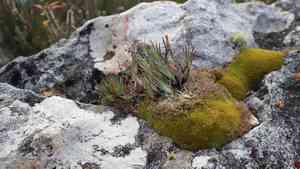
Nivenia levynsiae flourishes most effectively when reproduced from its tubers. Verify that the tubers originate from robust, fully developed specimens and are managed gently to prevent harm. Embed the tubers in a substrate that drains efficiently and sustain adequate hydration. Appropriate distance between plants is crucial to prevent congestion and foster vigorous development. Consistent observation and prompt irrigation will sustain the nascent plants until they are well-rooted.
Optimal Period for Nivenia Levynsiae Propagation
Propagation Method
UtilizeTubers
Propagation Season
Spring
Tools Required for Nivenia Levynsiae Propagation
Hand Trowel
Crucial for excavating small holes and carefully extracting tubers from the ground. Its compact size ensures precision and minimal disruption to nearby plant roots.
Sharp Knife
Essential for cleanly dividing tubers into segments, ensuring each piece possesses a viable growth point. A sharp blade prevents injury and lowers the risk of infection.
Rooting Hormone Powder
Aids in stimulating root development on tuber sections, enhancing the likelihood of successful propagation. Especially beneficial for nivenia levynsiae as it promotes quicker establishment.
Plastic Pots
Offer an ideal setting for planting tuber segments, allowing for regulated soil and moisture conditions. These containers are vital during the initial phases of propagation.
Sterilized Potting Mix
A well-draining, pathogen-free medium guarantees the health and viability of tubers. Fosters robust root growth essential for nivenia levynsiae.
Spray Bottle
Allows for precise irrigation, keeping the soil damp without over-saturating, which is crucial to prevent tuber decay during propagation.
Heating Mat
Provides consistent warmth to encourage root development, particularly effective for nivenia levynsiae which may benefit from a stable, warm environment during early growth stages.
Labeling Stakes
Helps keep track of different tuber varieties and planting dates, ensuring organized and efficient propagation management.
Grafting Wax
Used to seal cuts on tubers, this material prevents moisture loss and infection, which is particularly advantageous for maintaining the health of tuber sections.
How to Propagate Nivenia Levynsiae?
Propagation Type
Simple
How to Care for Your Newly Propagated Nivenia Levynsiae?
How to Care for Your Newly Propagated Nivenia Levynsiae?
Post-planting, maintain consistent moisture without saturating the soil. Position the pots in a bright, indirect light location. Avoid direct sunlight as it can harm the young shoots. Once shoots emerge and establish, gradually acclimate the plants to more light and regular feeding with a balanced fertilizer.
Common Mistakes to Avoid When Propagating Nivenia Levynsiae
Overwatering
Excessive water can lead to root rot, which is detrimental to nivenia levynsiae's health. The plant prefers well-drained soils, so too much moisture can severely impede propagation efforts.
Improper Soil Composition
Nivenia levynsiae thrives in acidic, well-draining soils. Using soil that is too dense or alkaline can hinder growth and propagation success.
Lack of Sunlight
Nivenia levynsiae requires ample sunlight for healthy growth. Insufficient light can result in weak, leggy plants that are less likely to propagate successfully.
Neglecting Temperature Requirements
Nivenia levynsiae can be sensitive to extreme temperatures. Failing to provide the optimal temperature range can affect germination and rooting processes.
Incorrect Cutting Techniques
Using improper methods to take cuttings can damage the plant or yield cuttings that do not root effectively.
Tips For Propagating Nivenia Levynsiae
Hydration Management
Water sparingly, ensuring the soil is moist but well-drained. Allow the top layer of soil to dry out between waterings to prevent root rot.
Soil Selection
Use a mix designed for acidic, well-draining environments. Adding materials like perlite or pine bark can improve soil drainage and acidity.
Sunlight Exposure
Place nivenia levynsiae in a location where it can receive ample sunlight, ideally a spot with full sun. Ensure that it gets at least 6-8 hours of sunlight daily.
Temperature Control
Maintain a stable temperature that avoids both extremes of heat and cold. If propagating indoors, use a controlled environment to monitor and adjust temperatures if necessary.
Proper Cutting Methods
Take cuttings with sharp, sterilized tools to prevent damage and disease. Ensure cuttings have at least one node and a few leaves to encourage successful rooting.



