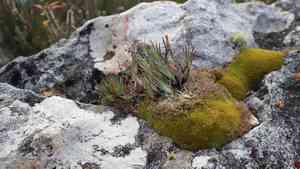
Nivenia levynsiae (Nivenia levynsiae)
Nivenia levynsiae is a perennial shrub native to South Africa's rocky sandstone slopes. It flaunts erect, woody stems and dense, blue-green leaves forming a striking bushy appearance. The plant becomes especially captivating during its bloom, displaying unique, tubular orange flowers that attract a variety of pollinators, a testament to its adaptability in a rich yet challenging habitat.
In This Article
Attributes of Nivenia levynsiae
Lifespan
Perennial
Plant Type
Shrub
Plant Height
Up to 1 meter (approximately 3.3 feet)
Spread
Approximately 0.5 meters (approximately 1.6 feet)
Leaf Color
Green
Flower Size
Approximately 2-3 centimeters
Flower Color
Blue to purple
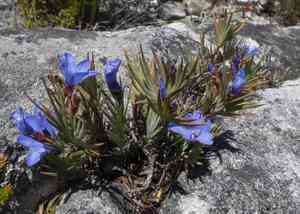
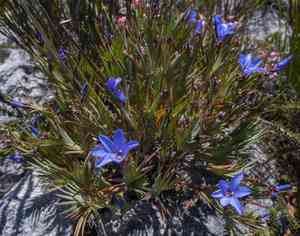
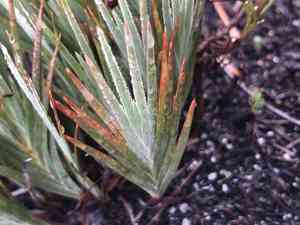
Images of Nivenia levynsiae
Quickly Identify Nivenia levynsiae
1
Nivenia levynsiae can be identified by its woody shrub form, narrow and rigid leaves, and blue to purple flowers. The flowers typically bloom in dense clusters.
Scientific Classification of Nivenia levynsiae
Phylum
Vascular plants
Class
Monocotyledons
Order
Asparagales
Family
Iris
Genus
Bushirises
Species
Nivenia levynsiae
Planting and Growing of Nivenia levynsiae
Care Difficulty
Moderate
Watering Schedule
Every 2 days
Sunlight Requirements
Full sun
Sunshine Duration
4-8 hours
Ideal Temperature
65-75℉
Soil Type
Potting Mix, Peat Mix
Soil pH
6.5-7.5
Fertilizer Type
Balanced
Pruning Season
Spring, Summer
Pruning Area
Branches, Leaves
Pruning Frequency
2 times a year
Repotting Season
Spring
Pot Type
Terracotta, Plastic
 How to Water Nivenia levynsiae?
Nivenia levynsiae prefers a moderate watering regimen. Ensure the soil is moist but not saturated. Watering with about 200 ml each time should be sufficient, allowing the topsoil to dry between waterings.
What are the symptoms of an underwatered Nivenia levynsiae?
›
What should I do if my Nivenia levynsiae is not getting enough water?
›
What are the symptoms of an overwatered Nivenia levynsiae?
›
How to save an overwatered Nivenia levynsiae?
›
 What Are the Sunlight Requirements for Nivenia levynsiae?
Nivenia levynsiae thrives best with a mix of full to partial sun, ideally between 4-6 hours of light daily. This light exposure fosters healthy photosynthesis, which in turn supports vigorous growth, enhancing flowering and leaf development.
How does Nivenia levynsiae thrive in full sun?
›
Can Nivenia levynsiae grow in partial sun?
›
What challenges does it face with insufficient light?
›
 What Is the Ideal Temperature Range for Nivenia levynsiae?
The ideal temperature range for Nivenia levynsiae is between 65°F and 75°F. This range ensures optimal metabolic activities and photosynthesis, fostering healthy growth and vibrant foliage. Maintaining this temperature consistently can promote blooming and robust development.
 What Soil is Best for Nivenia levynsiae?
Nivenia levynsiae thrives in well-drained soils, preventing waterlogging that can damage root systems. Ensuring adequate drainage enhances the plant's growth and overall health. This plant prefers soils rich in organic matter, which provide essential nutrients for robust growth. Incorporating compost can improve soil fertility significantly, benefiting the plant. Maintaining moderate soil moisture is crucial. Excessive dryness can stunt growth, while too much moisture may lead to root rot. Balancing moisture levels is key for optimal plant health.
 How to Fertilize Nivenia levynsiae?
Nivenia levynsiae requires moderate amounts of fertilizer. For liquid fertilizer, use a balanced 10-10-10 NPK formula at a dilution of 1/4 strength every other week in the growing season. For slow-release fertilizers, apply 1 tablespoon per plant annually.
 How to Prune Nivenia levynsiae?
Begin by sterilizing your pruning shears to prevent the spread of disease. Carefully remove any dead or damaged branches to maintain the plant's health. Next, trim back any overly long or stray branches that disrupt the desired shape of the plant, ensuring that cuts are made just above a node or bud to encourage new, healthy growth. Step back occasionally to assess the plant’s overall appearance as you prune. To maintain a well-balanced shape, prune away branches that cross each other or grow inwards towards the center of the plant. This not only improves aesthetics but also facilitates better air circulation and light penetration within the foliage, enhancing overall plant vigor. Ensure to make cuts at a slight angle so that water drainage is optimized, minimizing the risk of fungal infections at cut sites.
More About Pruning Techniques→
 How to Propagate Nivenia levynsiae plant?
1
Harvest mature seeds from the plant after flowering. Ensure seeds are fully mature and dry before storage or planting to improve germination rates.
2
Select healthy, non-flowering stems from the parent plant. Cut below a node and remove lower leaves before planting in a moist rooting medium.
3
For seeds, sow them evenly on the surface of moist, well-draining soil. For cuttings, insert into a soil mix and keep the medium consistently moist.
 How to Repot Nivenia levynsiae plant?
1
Nivenia levynsiae should be repotted when you notice roots growing out of the drainage holes, or if the soil stays wet too long, indicating poor drainage. Alternatively, repot when the plant seems to have stopped growing, suggesting it might be root-bound. Spring and autumn are the ideal seasons as the plant experiences less stress compared to summer or winter.
2
Select a pot that is one to two inches larger in diameter than the current one. Ideally, the pot should have adequate drainage holes to prevent water logging. Using a slightly larger pot helps ensure that the plant has room to grow while providing good aeration for the roots.
3
Use a well-draining sandy soil mix, which is ideal for Nivenia levynsiae as it mimics its native habitat. Such soil prevents water pooling around the roots, reducing the chances of root rot and encouraging healthy growth.
Learn More About Nivenia levynsiae Diseases
Anthracnose
Bacterial Leaf Spot
Bacterial Soft Rot
Bacterial Wilt
Black Spot
Chemical Injury
Crown Gall
Cyst Nematode
Damping-off
Downy Mildew
Drought Stress
Fusarium Wilt
Gray Mold
Leaf Curl
Leaf Spot
Mosaic
Nutrient Deficiency
Nutrient Toxicity
Powdery Mildew
Root Rot
Root-knot Nematode
Rusts
Sooty Mold
Spider Mites
Temperature Stress
Thrips Damage
White Mold



