How to Prune Kimberley queen fern?
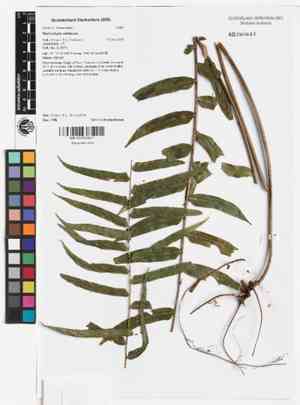
A perennial evergreen recognized for its blade-like fronds, kimberley queen fern flourishes in luminous, diffused illumination. Crucial trimming entails excising discolored or impaired fronds near the base. Ideally performed in Spring prior to its most active growth period, although Summer and Autumn are also appropriate. This fosters robustness and preserves visual appeal. Refrain from excessive trimming; merely selectively reduce older foliage. Improved air movement and disease deterrence are benefits of correctly pruning kimberley queen fern.
What Are the Benefits of Pruning Kimberley Queen Fern?
What Are the Benefits of Pruning Kimberley Queen Fern?
Trimming kimberley queen fern encourages robust development and helps maintain a dense, appealing form. This ensures the fern remains vibrant and thriving, fostering the emergence of new fronds for a fuller look.
What Is the Best Time for Pruning Kimberley Queen Fern?
What Is the Best Time for Pruning Kimberley Queen Fern?
Pruning kimberley queen fern in Spring coincides with the start of the plant's active growth phase. This timing allows for the removal of old or damaged fronds before new growth begins, promoting healthier and more vigorous foliage. Early Fall trimming is also suitable as it aids in shaping the plant and removing any fronds that may have been harmed over the summer, while still giving kimberley queen fern time to recover before the slower growth period of winter. Avoid pruning in late Fall or Winter to prevent stress during kimberley queen fern's dormant phase. Summer pruning should be limited to only removing dead or yellowing fronds, as this is when kimberley queen fern focuses energy on growth and recovery.
What Tools Do I Need to Prune Kimberley Queen Fern?
Sharp Scissors or Snips
These are perfect for the delicate fronds of kimberley queen fern, allowing for precise cuts without harming the plant. Sharp blades ensure a clean cut that heals quickly, reducing the risk of disease.
Micro-Tip Pruning Snip
For the finer, more intricate work of trimming small or crowded fronds, a micro-tip snip provides the precision needed to navigate the dense growth habit of kimberley queen fern.
Rubbing Alcohol or Disinfectant
To prevent the spread of disease when moving between plants or after cutting diseased fronds, always clean your cutting tools with rubbing alcohol or a comparable disinfectant.
How to Prune Kimberley Queen Fern
Clean Tools
Sanitize the pruning tools with isopropyl alcohol or a bleach solution to prevent the spread of disease to kimberley queen fern.
Remove Diseased Leaves
Carefully trim any diseased leaves at the base where they meet the stem, using disinfected scissors to prevent infection in kimberley queen fern.
Remove Withered Leaves
Snip away withered leaves at the base, ensuring a clean cut to promote the healthy growth of kimberley queen fern.
Remove Dead Branches
Cut back any dead branches to the point of healthy tissue, making sure not to damage the adjacent fronds of kimberley queen fern.
Remove Diseased Branches
Prune away any diseased branches, targeting the unhealthy sections without cutting into the healthy parts to support the overall well-being of kimberley queen fern.
Common Pruning Mistakes with Kimberley Queen Fern
Over Pruning
Removing too many fronds from kimberley queen fern can weaken it and slow down its growth. Pruning more than a third of the plant at once should be avoided to maintain its health and vitality.
Pruning Healthy Foliage
Cutting away healthy, green fronds can unnecessarily stress kimberley queen fern. Focus should remain on removing only brown, dead, or damaged fronds to improve the plant's appearance and health.
Tearing Foliage
Using dull or inappropriate tools might lead to tearing the fronds rather than cutting them cleanly. This can lead to disease and damage the plant's aesthetic.
Ignoring Disease Prevention
Neglecting to sanitize pruning tools before and after use can spread disease to kimberley queen fern or from one plant to another, compromising their health.
Imprecise Cuts
Making cuts too far from the base of the fronds or into the healthy tissue can lead to unsightly stubs on kimberley queen fern that do not heal properly and may encourage fungal growth.
Common Pruning Tips for Kimberley Queen Fern
Use Sharp Tools
Prune kimberley queen fern with sharp and clean scissors or pruning shears to make clean cuts that heal quickly, reducing stress and risk of disease.
Prune Damaged Foliage
Regularly remove brown, dead, or damaged fronds by cutting them at the base, close to the soil to encourage kimberley queen fern to direct its energy towards new growth.
Disinfect Tools
Sanitize pruning tools before and after use with alcohol or a household disinfectant to prevent the spread of diseases.
Monitor Watering
After pruning, monitor kimberley queen fern's watering needs closely as pruned plants may require slightly less water until new growth is established.
Encourage Growth
To promote a lush, full appearance in kimberley queen fern, prune old fronds and allow light to reach the center of the plant, which will stimulate new frond development.



