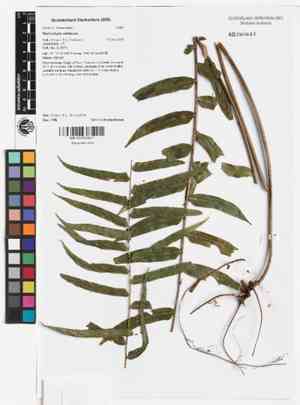
Kimberley queen fern (Nephrolepis obliterata)
Also known as: Kimberly Queen Fern
The Kimberley queen fern (Nephrolepis obliterata) flourishes in environments with full shade or filtered sunlight. It's unsuitable for direct sun exposure, which can damage its fronds. While it can be planted outdoors in warmer regions, it doesn't handle cold well. Indoors, it not only adds greenery but also purifies the air. Maintain consistently moist soil and consider fertilizing twice annually for optimal growth.
In This Article
Attributes of Kimberley queen fern
Lifespan
Perennial
Plant Type
Herb
Plant Height
2 m to 3 m
Spread
60 cm to 90 cm
Leaf Color
Green
Flower Size
N/A
Flower Color
N/A
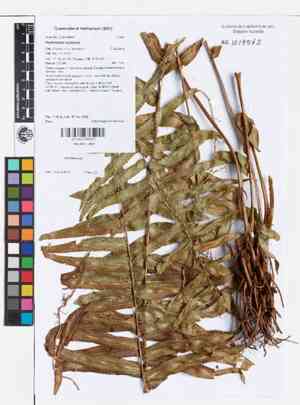
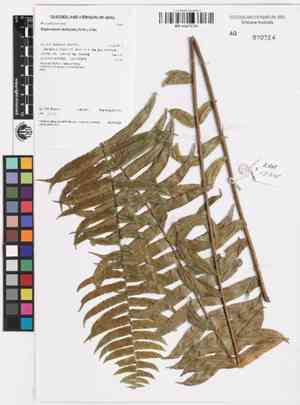
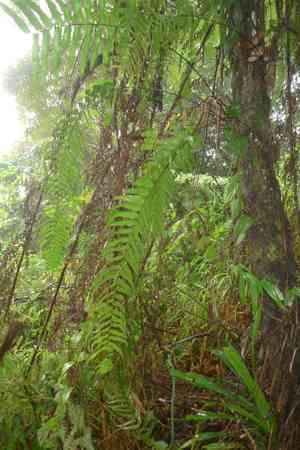
Images of Kimberley queen fern
Quickly Identify Kimberley queen fern
1
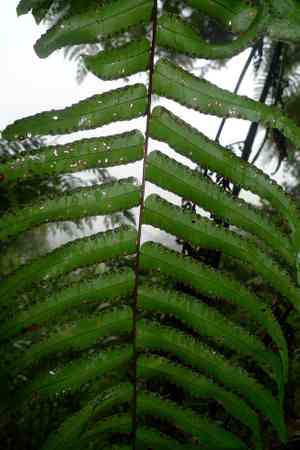
This fern can be identified by its bushy, upright fronds that are sturdier and thicker compared to other ferns. The fronds are symmetrical, finely cut, and exhibit a rich green color.
Scientific Classification of Kimberley queen fern
Phylum
Vascular plants
Class
Ferns
Order
Polypodiales
Family
Swordfern
Genus
Boston ferns
Species
Kimberley queen fern
Planting and Growing of Kimberley queen fern
Care Difficulty
Easy
Watering Schedule
Every 4 days
Sunlight Requirements
Partial sun
Sunshine Duration
4-8 hours
Ideal Temperature
60-75℉
Soil Type
Potting Mix, Peat Mix
Soil pH
6.5-7.5
Fertilizer Type
Balanced
Pruning Season
Spring, Summer
Pruning Area
Branches, Leaves
Pruning Frequency
2 times a year
Repotting Season
Spring
Pot Type
Plastic, Ceramic
 How to Water Kimberley queen fern?
Water thoroughly until water drains out from the bottom of the pot. Aim for about 250 ml each watering, ensuring that the soil stays moist but not waterlogged. The soil's surface should partially dry out before the next watering.
More About Watering Techniques→
What are the symptoms of an underwatered Kimberley queen fern?
›
What should I do if my Kimberley queen fern is not getting enough water?
›
What are the symptoms of an overwatered Kimberley queen fern?
›
How to save an overwatered Kimberley queen fern?
›
 What Are the Sunlight Requirements for Kimberley queen fern?
Partial sunlight allows Nephrolepis obliterata to maintain vibrant growth and health, avoiding the negatives of both excessive direct light and inadequate lighting conditions.
More About Sunlight Requirements Techniques→
What kind of light does it prefer?
›
How can it receive ideal lighting?
›
What are the benefits of ideal lighting?
›
 What Is the Ideal Temperature Range for Kimberley queen fern?
The ideal temperature range for Nephrolepis obliterata lies between 60°F and 75°F. This range provides optimal conditions for growth, ensuring that the plant's metabolic processes operate efficiently.
 What Soil is Best for Kimberley queen fern?
Nephrolepis obliterata thrives in soil that has excellent drainage. This helps prevent waterlogging, which can lead to root rot, ensuring the plant receives enough air and nutrients. The soil should be rich in organic matter to provide sufficient nutrients. This promotes healthy fern growth and vibrant foliage. While good drainage is important, the soil should also be able to retain some moisture to keep the fern hydrated. A balance is essential for continuous and healthy fern development.
More About Soil→
 How to Fertilize Kimberley queen fern?
For Nephrolepis obliterata, apply liquid fertilizer at half the recommended strength. During the growing season, more frequent feeding will ensure lush growth. Over-fertilizing can lead to root burn.
More About Fertilizing Techniques→
 How to Prune Kimberley queen fern?
Before you start pruning, inspect the plant for any signs of pests or disease. Look for brown or yellow fronds, which indicate they are ready to be removed. Healthy fronds will be vibrant and green, standing upright with a firm texture. Start by selecting the old or damaged fronds that need removal. Gently pull them away from the base to see where they naturally part from the plant, then snip them close to this separation point. Pruning will naturally stimulate new frond growth, but make sure not to prune more than one-third of the plant at a time. This ensures that the fern can recover without too much stress and continue to thrive in its environment.
More About Pruning Techniques→
 How to Propagate Kimberley queen fern plant?
1
Carefully remove Nephrolepis obliterata from its pot, trying to keep the root ball intact. Gently shake off excess soil to expose the roots, making it easier to divide the plant without causing unnecessary trauma.
2
Using a clean, sharp knife, divide the root ball into sections. Ensure each section has healthy rhizomes and fronds. Be careful to make clean cuts that will not damage the roots, facilitating healing and regrowth.
3
Plant each division into individual containers filled with well-draining potting mix. Water thoroughly to settle the soil around the roots, and ensure each pot has good drainage to prevent water-logging.
 How to Repot Kimberley queen fern plant?
1
Repotting Nephrolepis obliterata is best done when you notice roots growing through drainage holes or if its growth has significantly slowed despite good care. Early signs include compacted roots or soil drying out exceedingly fast after watering.
2
Select a pot that is one size larger than the current one with good drainage holes. This allows room for the roots to expand without risking water stagnation, which can lead to root rot. A breathable material like terracotta is advantageous for its moisture regulation.
3
Opt for a rich, well-draining compost that can retain moisture but not stay waterlogged. This type of soil helps provide essential nutrients while ensuring excess water can easily drain away, preventing overwatering issues.



