How to Prune Hollyleaf pincushionplant?
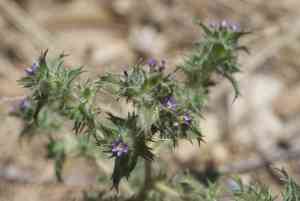
Ilex-leaved pincushionplant, recognized for its unique prickly, holly-like foliage and thick, contained development, thrives with regular trimming to preserve its form and vitality. Perform pruning in late Spring, Summer, or early Autumn, following flowering, to foster denser growth and avoid an elongated appearance. Eliminate any deceased or compromised branches, and cut back as much as one-third of the specimen. Consistent pruning improves air circulation and diminishes insect problems. Always employ disinfected implements to avert the spread of pathogens.
What Are the Benefits of Pruning Hollyleaf Pincushionplant?
What Are the Benefits of Pruning Hollyleaf Pincushionplant?
Trimming hollyleaf pincushionplant encourages vigorous development and helps maintain its desired form. Regular cutting fosters robust growth, boosts its resistance to pests and diseases, and enhances its overall look, ensuring it stays strong and visually appealing.
What Is the Best Time for Pruning Hollyleaf Pincushionplant?
What Is the Best Time for Pruning Hollyleaf Pincushionplant?
Trimming hollyleaf pincushionplant during spring, summer, and fall aligns well with its growth cycle and overall health maintenance. In spring, pruning allows the plant to recover quickly and encourages robust growth as it enters its active growing season. During summer, trimming can help manage its shape and size while preventing overgrowth. Fall pruning prepares hollyleaf pincushionplant for the dormancy period, ensuring that any dead or diseased parts are removed, thus promoting a healthier plant in the next growing cycle. Avoiding pruning in winter prevents stress to the plant when it is least active and most vulnerable.
What Tools Do I Need to Prune Hollyleaf Pincushionplant?
Bypass Pruners
Perfect for clean cuts and preventing plant harm. Suitable for removing spent blooms and dead stems.
Precision Pruners
Excellent for making accurate cuts on small, delicate stems without causing damage.
Hand Shears
Useful for shaping and maintaining the overall form of hollyleaf pincushionplant, ensuring it remains healthy and well-managed.
Pruning Knife
Handy for more delicate tasks and precise trimming.
Sanitizing Solution
Essential for cleaning tools between cuts to prevent the spread of disease.
How to Prune Hollyleaf Pincushionplant
Assess
Examine hollyleaf pincushionplant for withered leaves and other signs of damage.
ToolSelection
Select a pair of sharp, sterilized pruning shears to ensure clean cuts and prevent disease.
PinchRemoval
Gently pinch or cut withered leaves close to the stem, ensuring not to damage healthy parts of hollyleaf pincushionplant.
DisposeProperly
Properly dispose of removed plant material to prevent the spread of potential pathogens.
Observe
Monitor hollyleaf pincushionplant for any further signs of withering or stress and address as needed.
Common Pruning Mistakes with Hollyleaf Pincushionplant
Improper technique
Using dull or non-sterilized pruning tools can damage the plant tissues and introduce diseases. It's crucial to make clean cuts at the right angle to promote healing and growth.
Over-pruning
Removing too much of the plant at once can stress hollyleaf pincushionplant, leading to reduced flowering and overall poor health. It's important to prune with sensitivity to the plant's natural structure.
Incorrect timing
Pruning at the wrong time (excluding seasonal considerations) can interfere with hollyleaf pincushionplant's growth cycle and flowering. Understanding when the plant is in its active growth phase is essential to avoid hindering its development.
Ignoring plant signals
Failing to recognize signs of stress or overgrowth in hollyleaf pincushionplant can result in missed pruning opportunities or incorrect cuts. Pay attention to the plant's health and growth patterns.
Common Pruning Tips for Hollyleaf Pincushionplant
Use clean, sharp tools
Always use sterilized, sharp pruning shears or scissors to ensure clean cuts that minimize damage. Cleaning tools between cuts can prevent the spread of disease.
Prune selectively
Focus on removing dead, damaged, or diseased branches first. This not only helps maintain the plant's health but also allows you to better shape and manage its growth.
Make clean cuts
Ensure cuts are made at a slight angle just above a leaf node or bud. This encourages new growth and prevents water from settling on the cut surface, which can lead to rot.
Maintain plant shape
Aim to preserve hollyleaf pincushionplant's natural shape by making strategic cuts. Avoid excessive pruning which can disrupt its growth pattern and flowering capacity.
Observe and adjust
Regularly inspect hollyleaf pincushionplant and be prepared to adjust your pruning approach based on its response. Each plant can have unique needs, so staying observant is key to effective pruning.



