How to Propagate Hollyleaf pincushionplant?
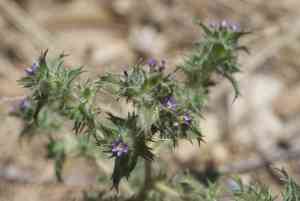
Ilex-leaved pincushionplant, a distinct member of the Phlox genus, is recognized by its spiny leaves and aggregated blossoms. For propagation, begin with a substrate that drains effectively and guarantee a spot with ample sunlight. Disperse seeds directly onto the surface, lightly pressing them into the earth without burying them. Sustaining uniform soil dampness is crucial. Sprouting is generally dependable, resulting in vigorous specimens. Consistent irrigation fosters thriving development.
Optimal Period for Hollyleaf Pincushionplant Propagation
Propagation Method
Seeding
Propagation Period
Spring
Tools Utilized for Hollyleaf Pincushionplant Propagation
Seed Trays
Seed trays offer an organized and enclosed space for planting hollyleaf pincushionplant seeds. They ensure uniform spacing and simplify watering and monitoring tasks.
Fine Seed Compost
Fine seed compost provides the necessary nutrients and good drainage properties essential for successful germination and growth of hollyleaf pincushionplant seeds.
Misting Bottle
A misting bottle is perfect for gently hydrating the delicate seeds and young plants of hollyleaf pincushionplant, delivering sufficient moisture without disturbing the soil.
Heat Mat
Heat mats help maintain a steady and ideal soil temperature, which is vital for the germination of hollyleaf pincushionplant seeds, especially in cooler regions.
Humidity Dome
Humidity domes create a controlled environment with elevated moisture levels, aiding in the successful germination and early development stages of hollyleaf pincushionplant by preventing rapid soil drying.
Labels and Markers
Labels and markers are crucial for tracking the planting date and specific details of hollyleaf pincushionplant batches, ensuring precise monitoring and record-keeping.
Seed Sieve
A seed sieve is useful for sifting fine compost and ensuring an even, thin layer over the sown hollyleaf pincushionplant seeds, promoting better soil contact and germination rates.
Propagating Hollyleaf Pincushionplant: A Guide
Propagation Difficulty
Simple
Post-Propagation Care for Hollyleaf Pincushionplant
Post-Propagation Care for Hollyleaf Pincushionplant
Following transplantation, ensure hollyleaf pincushionplant receives ample sunlight and minimal watering, mimicking its arid natural habitat. Avoid excessive watering to prevent root rot. Apply a diluted, balanced fertilizer monthly during the growing season to encourage robust growth. Monitor for pests and diseases, though hollyleaf pincushionplant is generally resilient with few issues. Prune any dead or wilting foliage to maintain plant vitality.
Common Errors to Avoid When Propagating Hollyleaf Pincushionplant
Overwatering
Hollyleaf pincushionplant thrives in dry conditions; excessive watering can lead to root rot or fungal infections.
Insufficient Light
Hollyleaf pincushionplant requires full sun to flourish. Inadequate light can result in weak growth and poor overall health.
Poor Soil Drainage
Hollyleaf pincushionplant needs well-draining soil. Using soil that retains too much moisture can suffocate roots and cause decay.
Crowding
Hollyleaf pincushionplant needs space to grow. Planting too many in a small area can lead to nutrient competition and hinder development.
Ignoring Local Climate
Hollyleaf pincushionplant is adapted to specific climates. Attempting propagation in an unsuitable climate can lead to poor growth or plant failure.
Advice for Propagating Hollyleaf Pincushionplant
Utilize Well-Draining Soil
Ensure the soil mix allows excess water to drain quickly to prevent root rot for hollyleaf pincushionplant.
Provide Full Sunlight
Position hollyleaf pincushionplant in a spot where it can receive at least 6-8 hours of direct sunlight daily.
Spacing
Give each hollyleaf pincushionplant plant sufficient room to prevent overcrowding and ensure adequate air circulation.
Water Sparingly
Water hollyleaf pincushionplant infrequently, allowing the soil to completely dry out between watering sessions.
Verify Climate Suitability
Research and confirm that your local climate is compatible with the requirements of hollyleaf pincushionplant, focusing on temperature and humidity.



