How to Prune Slender naiad?
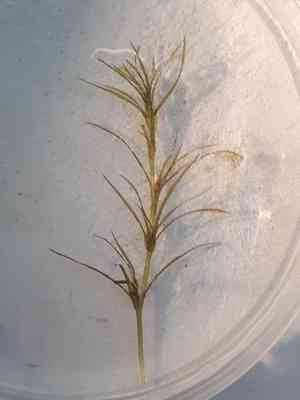
A submersed aquatic flora, Najas flexilis flourishes in freshwater environments. Efficient trimming entails excising deceased or excessively long stalks to facilitate light infiltration and diminish algal proliferation. The most suitable periods for trimming span from spring to autumn, coinciding with its vigorous developmental stages. Consistent cutting boosts water movement and sustains Najas flexilis's well-being, rendering the environment more favorable for aquatic organisms. Trimming not only controls its expansion but also elevates the ecosystem's visual appeal and operational capacity.
Advantages of Trimming Slender Naiad
Advantages of Trimming Slender Naiad
Trimming slender naiad promotes robust development and helps maintain its form. This action prevents excessive growth, ensuring a balanced underwater ecosystem and aiding light penetration vital for aquatic life.
Optimal Time for Trimming Slender Naiad
Optimal Time for Trimming Slender Naiad
Trimming or cutting slender naiad during Spring, Summer, and Fall aligns with its natural growth patterns. In Spring, trimming can stimulate new growth as slender naiad emerges from dormancy. During Summer, cutting helps manage and shape the rapid growth that typically occurs, maintaining plant health and vigor. In Fall, trimming helps prepare slender naiad for winter by removing any weak or dead foliage, which can enhance the plant's overall resilience to cold weather. These seasons offer the best balance of active growth and recovery, crucial for maintaining slender naiad's health and ensuring robust return in subsequent seasons.
Tools Required for Trimming Slender Naiad
Aquascaping Scissors
These scissors are specifically designed for cutting and trimming aquatic plants. They feature a sharp, precise blade that allows for clean cuts without harming the delicate stems of slender naiad. They are long and slender, enabling accurate snipping underwater, which is crucial for preserving the structure and health of slender naiad.
Long-handled Shears
The extended handles allow gardeners to reach deeper water areas without disturbing the surrounding aquatic environment. These are useful for managing and shaping large growths of slender naiad, as well as removing more extensive sections effectively.
Fine Pincers or Tweezers
These are essential for thinning out denser areas of slender naiad growth, allowing for selective removal of plant material. Their fine tips provide the ability to grasp and extract small sections, which helps in managing plant density without causing widespread disturbance.
How to Trim Slender Naiad
Identify
Locate and isolate the withered leaves on slender naiad. Carefully inspect the plant to find older or yellowing leaves that show signs of decay or damage.
Prepare
Ready the appropriate tools for trimming. Use sharp, sterile scissors or aquascaping shears to ensure clean and precise cuts, minimizing potential harm to slender naiad.
Trim
Carefully cut the identified withered leaves at their base where they attach to the stem. Make the cuts clean and as close to the stem as possible without damaging it.
Dispose
Properly discard the trimmed leaves. Remove them from the aquatic environment to prevent decay in the water, which could lead to water quality issues.
Monitor
Observe slender naiad after trimming to ensure healthy regrowth. Watch the plant for any signs of stress or further deterioration, which may require additional care.
Common Trimming Errors with Slender Naiad
Over pruning
Excessive removal of slender naiad's foliage is a primary mistake. This plant benefits from a lighter touch, as over-trimming can stress the plant and lead to weakened growth.
Incorrect tools
Using dull or unsuitable tools can damage the delicate stems of slender naiad, causing bruising and potential entry points for disease.
Pruning heavy roots
Attempting to heavily trim the roots or alter the root structure of slender naiad can disrupt its stability and absorption capabilities, often leading to poor health.
General Trimming Advice for Slender Naiad
Sharp tools
Ensure that all trimming tools are sharp and clean to make precise cuts. This practice helps prevent damage to slender naiad's delicate tissues, promoting healthy regrowth.
Minimal pruning
Perform minimal trimming to maintain the natural growth form of slender naiad. Remove only dead or damaged leaves and branches to encourage a healthier plant without inducing stress.
Follow natural shape
Observe and follow the natural contour of slender naiad when trimming. This approach will enhance the plant's aesthetic and encourage balanced growth.



