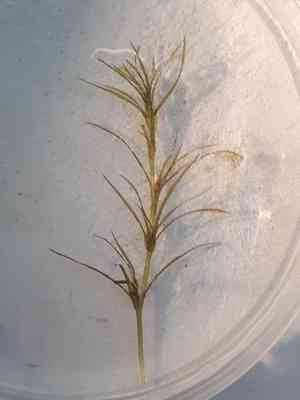
Slender naiad (Najas flexilis)
Also known as: Slender water-nymph
Najas flexilis, often referred to as slender naiad or nodding waternymph, is an aquatic plant native to regions such as northern and Central Europe, spanning from Norway and Ireland to Switzerland and extending across Russia and Siberia. Additionally, it is widespread throughout most of Canada and found in the northern United States, with isolated populations in areas like southern California, Arizona, Missouri, South Carolina, and Utah.
In This Article
Attributes of Slender naiad
Lifespan
Annual
Plant Type
Herb
Plant Height
15 cm to 1.02 m
Spread
Not applicable (submerged plant)
Leaf Color
Green
Flower Size
Very small, less than 1 mm
Flower Color
White or pale
Images of Slender naiad

Quickly Identify Slender naiad
1
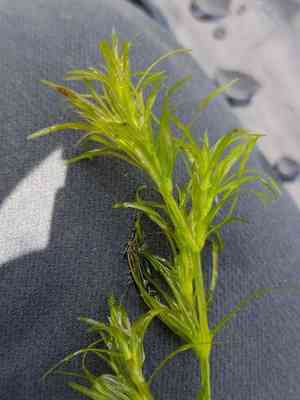
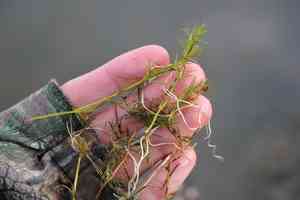
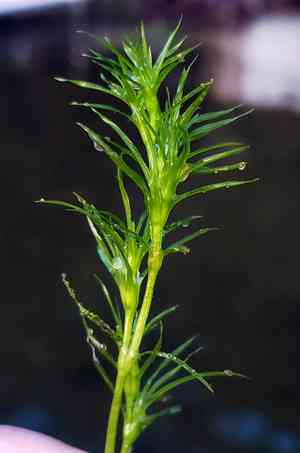
To identify Najas flexilis, look for its slender, flexible stems that can reach lengths of up to 0.5 meters. The leaves are narrow, linear, and oppositely arranged with finely toothed margins. The plant often forms dense underwater mats.
Scientific Classification of Slender naiad
Phylum
Vascular plants
Class
Monocotyledons
Order
Alismatales
Family
Tape-grass
Genus
Water-nymphs
Species
Slender naiad
Planting and Growing of Slender naiad
Care Difficulty
Easy
Watering Schedule
Every 4 days
Sunlight Requirements
Partial sun
Sunshine Duration
4-8 hours
Ideal Temperature
64-72℉
Soil Type
Potting Mix, Peat Mix
Soil pH
6.5-7.5
Fertilizer Type
Balanced
Pruning Season
Spring, Summer
Pruning Area
Branches, Leaves
Pruning Frequency
Once a year
Repotting Season
Spring
Pot Type
Plastic, Ceramic
 How to Water Slender naiad?
Najas flexilis prefers a balanced watering approach where it's wise to mimic its natural aquatic environments. Generally, providing about 150 milliliters of water during each session should adequately maintain moisture without overwhelming the plant. Aim to saturate the soil evenly, ensuring moisture reaches the root systems without pooling excessively.
What are the symptoms of an underwatered Slender naiad?
›
What should I do if my Slender naiad is not getting enough water?
›
What are the symptoms of an overwatered Slender naiad?
›
How to save an overwatered Slender naiad?
›
 What Are the Sunlight Requirements for Slender naiad?
Najas flexilis thrives with partial to full sun exposure, enhancing its photosynthetic efficiency and growth potential. Ideal light supports vibrant foliage and robust development, maximizing aquatic ecosystem benefits.
What are the optimal light conditions for Najas flexilis?
›
How can you achieve the ideal lighting for this plant?
›
What benefits does ideal lighting provide Najas flexilis?
›
 What Is the Ideal Temperature Range for Slender naiad?
The ideal temperature range for Najas flexilis, commonly known as the slender naiad, is between 64°F and 72°F. This range supports robust growth, ensures healthy foliage, and maximizes reproductive success. Maintaining these conditions helps mimic the plant's natural habitat, ensuring optimal growth and nutrient absorption.
 What Soil is Best for Slender naiad?
Najas flexilis thrives in soils that retain a good amount of moisture, mimicking its natural aquatic habitats. This requirement ensures the plant remains hydrated, allowing for optimal growth and health. Rich in organic matter, the soil should provide ample nutrients. This is crucial for Najas flexilis, as access to essential nutrients supports its rapid growth and contributes to vibrant foliage. A balanced pH between 6.5 and 7.5 is ideal. Maintaining this pH range supports nutrient absorption and prevents nutrient lockout, thereby promoting robust plant development.
 How to Fertilize Slender naiad?
For Najas flexilis, a light touch with fertilizer is ideal. Apply a diluted liquid fertilizer solution at half the recommended strength. This plant is sensitive to excessive nutrients, so it's best to err on the side of caution.
 How to Prune Slender naiad?
Look for parts of the Najas flexilis that are overly dense or long. These sections could block light or hinder water flow, negatively affecting both the Najas and surrounding aquatic life. Carefully snip individual stems near the base. This encourages spreading, fuller growth, and allows light to penetrate deeper, promoting a balanced aquatic ecosystem. After pruning, remove trimmed sections from the water to avoid decomposing debris, which can reduce water quality by increasing organic matter.
More About Pruning Techniques→
 How to Propagate Slender naiad plant?
1
Collect seeds from mature plants in early spring. Ensure the seeds are fully developed and dry them before planting to increase germination rates.
2
Select a healthy stem and cut a section of about 10 cm in length. Remove the lower leaves to prevent decay below the soil surface, and prepare for rooting.
3
Place the seeds or cuttings into a tray filled with potting mix. Ensure they are spaced adequately to prevent competition and water lightly to maintain moisture.
 How to Repot Slender naiad plant?
1
Repot your Najas flexilis when you notice roots emerging from the drainage holes or when its growth becomes stunted despite regular care. Another indicator is if the soil no longer retains moisture and dries out quickly. These signs suggest the plant has outgrown its current pot and needs more room to thrive.
2
Choose a pot that is around 1-2 inches larger in diameter than the current one. Ensure it has ample drainage holes to prevent waterlogging, which can lead to root rot. A slightly larger pot provides room for growth while avoiding problems caused by excess soil moisture.
3
Opt for a well-draining sandy mix, which replicates the natural habitat of Najas flexilis. This type of soil reduces the risk of water retention, ensuring that the plant's roots can breathe while maintaining the vibrant, healthy growth of the plant.



