The Slender naiad Plant Advantage: Maximizing Home and Office Appeal and Wellness
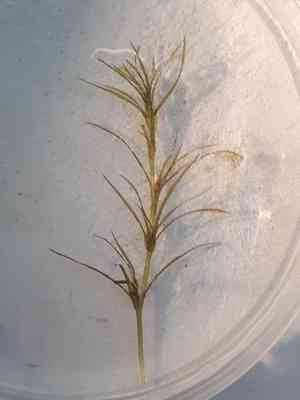
1
Slender naiad is vital for enhancing water purity through pollutant filtration.
2
This water plant provides a key living space for diverse aquatic organisms.
3
Slender naiad aids in preventing erosion by securing the sediment near aquatic environments.
How Does Slender naiad Improve Water Quality?
Filtration of Pollutants
A key advantage of Slender naiad is its capacity to purify water bodies by filtering out contaminants. By taking in surplus nutrients like nitrogen and phosphorus, this plant aids in preventing eutrophication, a process that can lead to harmful algal blooms. This natural purification system ensures water stays clean and supports the diverse life within it.
Maintenance of Alkalinity
Another vital function of Slender naiad is its influence on water's alkalinity. It assists in sustaining a balanced pH level, which is crucial for the survival of many aquatic organisms. The presence of Slender naiad can therefore foster a more stable and welcoming environment for fish, amphibians, and invertebrates.
Why Is Slender naiad Important for Aquatic Wildlife?
Habitat and Food Source
Slender naiad serves as a natural dwelling and food supply for numerous aquatic species, from tiny invertebrates to fish. The dense growth of these plants offers a perfect sanctuary for young fish and other small creatures, helping them avoid predators. Moreover, Slender naiad itself forms a significant part of the diet for certain aquatic insects and herbivorous fish.
Spawning Grounds
For many fish species, Slender naiad provides ideal locations for spawning. The thick vegetation offers ample opportunities for fish to deposit their eggs and shield them from potential threats. This contributes to higher survival rates for young fish, thereby supporting the overall health of fish populations.
How Does Slender naiad Aid in Erosion Control?
Stabilizing Substrates
The root systems of Slender naiad play a crucial role in stabilizing the bottom materials in aquatic environments. By anchoring the soil or sediment, the plant minimizes erosion caused by water currents, waves, or human activities. This stabilization is essential for preserving the integrity of shorelines and riverbanks.
Reduction of Turbidity
Beyond stabilizing the substrate, Slender naiad helps reduce turbidity, a critical factor for clear water. Less suspended sediment results in clearer water, which benefits aquatic plants and animals that depend on sunlight for photosynthesis or hunting.
What Is the Role of Slender naiad in Biodiversity Conservation?
Supporting Diverse Aquatic Ecosystems
Biodiversity in aquatic ecosystems is significantly enhanced by the presence of Slender naiad. This plant offers a complex habitat structure that supports a wide array of species, thus promoting ecological diversity. Its roots, stems, and leaves create various niches utilized by different organisms for shelter, feeding, and reproduction.
Natural Check Against Invasive Species
Slender naiad also acts as a natural defense against invasive species. By occupying space and utilizing resources, it can limit the establishment and spread of non-native plants that might otherwise dominate and destabilize aquatic ecosystems. This resilience helps preserve native biodiversity and maintains ecological balance.
Can Slender naiad Contribute to Carbon Sequestration?
Carbon Absorption
Though often overlooked, Slender naiad plays a notable role in carbon sequestration. During photosynthesis, these plants absorb carbon dioxide from the water, converting it into organic matter. This process helps mitigate the effects of climate change by lowering carbon dioxide levels in aquatic systems.
Long-term Carbon Storage
In addition to actively removing carbon dioxide from the environment, Slender naiad contributes to long-term carbon storage. When these plants die, their decomposed material settles into the substrate, sequestering carbon for extended periods. This natural process aids in the permanent removal of carbon from the active carbon cycle.



