How to Propagate Slender naiad?
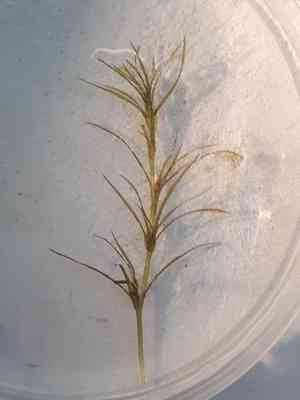
Najas gracillima is generally reproduced by planting seeds. Cultivators ought to employ newly harvested seeds to achieve superior sprouting percentages. Verify that aquatic levels and illumination are ideal for development. Consistent observation and modification of water composition contribute to enhanced propagation outcomes, given that Najas gracillima flourishes in particular water habitats.
Optimal Time for Slender Naiad Propagation
Propagation Type
Seeding
Propagation Season
Spring
Tools for Slender Naiad Propagation
Aquatic planting baskets
These containers are designed to securely hold aquatic plants in ponds or water features. Their mesh structure allows water to flow freely around the roots of slender naiad, ensuring they get essential nutrients and oxygen. Using these baskets helps position slender naiad at various depths based on growth stages and conditions, aiding in the safe establishment of young plants in their aquatic habitat.
Fine gravel or aquatic substrate
A specialized base is crucial for anchoring slender naiad due to its flexible stem. Fine gravel or specific aquatic planting substrate prevents uprooting and provides a stable foundation for nutrient-rich materials, which encourage root development and establishment in new propagation sites.
Watering can with a long spout
Even though slender naiad is an aquatic plant, a watering can with a long, thin spout allows for gentle irrigation of the soil or substrate around the plant. This ensures that seeds or young plants are not disturbed during the critical initial establishment phases. This tool is valuable for adjusting water levels or initial planting in contained aquatic environments.
Scissors or shears
These are needed for trimming or preparing stem cuttings, which aids in propagation by cloning. Using clean, sharp scissors or shears is vital for making precise cuts that improve the chances of successful rooting and growth of slender naiad, minimizing potential damage that could hinder plant development.
How to Propagate Slender Naiad?
Propagation Type
Simple
Caring for Your Newly Propagated Slender Naiad
Caring for Your Newly Propagated Slender Naiad?
After successful sprouting, keep slender naiad submerged in nutrient-rich, dechlorinated water. Provide consistent indirect sunlight or suitable artificial lighting. Trim the plants regularly to prevent overgrowth and maintain their health. Monitor water quality to prevent algal buildup and ensure optimal growth conditions. As slender naiad is an aquatic plant, maintain adequate oxygen levels in the water to support its development.
Common Mistakes to Avoid When Propagating Slender Naiad
Overcrowding
Planting slender naiad too closely can hinder growth due to competition for light and nutrients, potentially resulting in weak or underdeveloped plants.
Insufficient light
Although slender naiad thrives in both bright and partially shaded conditions, inadequate light reduces growth rates and impairs the plantâs ability to photosynthesize effectively, leading to poor health and propagation.
Poor water quality
Slender naiad is sensitive to water conditions; poor quality, especially with high levels of pollutants or incorrect pH, can cause stress and prevent proper growth and reproduction.
Over-handling
Frequent handling or moving of slender naiad can cause physical damage to its delicate stems and leaves, hindering its natural propagation ability.
Tips For Propagating Slender Naiad
Gentle handling
Handle slender naiad carefully during propagation to avoid damaging its fragile stems, which is crucial for successful growth and expansion.
Optimal depth placement
Placing slender naiad at the correct depth is essential to ensure it receives adequate light without being overly exposed. This can vary depending on the specific water body but should generally be shallow.
Water quality management
Maintain high water quality, focusing on stable pH and low pollutant levels to foster an environment where slender naiad can thrive and propagate effectively.
Regular monitoring
Regularly check the condition of slender naiad to ensure it is adapting well to its environment and address any issues such as algae growth or signs of stress early on.



