How to Prune Mat muhly?
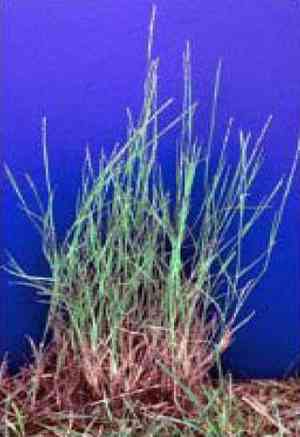
Mat muhly is a compact grass recognized for its hardiness and thick clumps. Trim this variety in late winter or early spring to eliminate spent leaves and stimulate fresh development. Employ sharp cutting tools and cut back to just a few inches above the soil. Consistent trimming fosters more robust growth and improves its aesthetic appeal. Proper timing guarantees the plant revitalizes during its primary growth period. Consult regional gardening resources for localized recommendations.
What Are the Benefits of Pruning Mat Muhly?
What Are the Benefits of Pruning Mat Muhly?
Mat muhly flourishes with consistent trimming, encouraging robust development and preserving its form. Trimming aids in managing its expansion, lessens pest and disease problems by enhancing air circulation, and improves its overall look, resulting in a healthier and more appealing plant.
What Is the Best Time for Pruning Mat Muhly?
What Is the Best Time for Pruning Mat Muhly?
Trimming or cutting mat muhly during early spring helps to stimulate strong new growth as the plant's active period commences. This timing aligns with the plant's natural growth cycle, enabling it to recover swiftly and maintain general health. Winter trimming is also effective since mat muhly is dormant, which minimizes stress and disease risk. This inactive phase allows for cleaner cuts and easier removal of any damaged or dead parts without affecting the plant's vigor.
What Tools Do I Need to Prune Mat Muhly?
Bypass Pruners
Perfect for precise cuts on individual stems, crucial given mat muhly's delicate, grass-like growth habit.
Grass Shears
Suitable for trimming and shaping mat muhly, allowing for even and controlled cuts.
Electric Hedge Trimmers
Beneficial for larger areas of mat muhly, enabling efficient and uniform trimming.
Gloves
Crucial for hand protection due to mat muhly's potentially sharp edges in dense growth.
How to Prune Mat Muhly
Preparation
Gather sanitized pruning shears and ensure gloves are worn to protect hands.
Identification
Examine mat muhly to locate any diseased or withered leaves. These are typically discolored, wilted, or have irregular spotting.
Pruning angle
Position the pruning shears at a 45-degree angle to ensure clean cuts and prevent damage to the plant.
Trim diseased
Carefully cut away all diseased leaves close to the base or the junction with healthy tissue, ensuring not to harm the main stalk or healthy leaves.
Trim withered
Trim withered leaves similarly, focusing on removing any parts that appear dead while maintaining the integrity of healthy growth. Dispose of all removed foliage to prevent any potential spread of disease.
Common Pruning Mistakes with Mat Muhly
Over-pruning
Cutting back too much foliage can stress mat muhly, leading to weak growth and vulnerability to disease.
Incorrect technique
Using dull or dirty tools can damage the plant tissue and introduce pathogens. Ensure tools are sharp and sanitized.
Pruning at the wrong height
Cutting mat muhly too low can damage the crown, hindering its ability to regrow effectively.
Ignoring dead material
Failing to remove dead or diseased parts can allow problems to spread throughout the plant.
Common Pruning Tips for Mat Muhly
Minimal removal
Only remove the top layer of dead, brown foliage to encourage healthy new growth. Avoid cutting into the green parts excessively.
Sanitize tools
Clean your pruning scissors or shears with rubbing alcohol before and after pruning to prevent the spread of disease.
Use the right tools
Invest in high-quality, sharp pruning scissors for precise cuts. This minimizes damage and promotes quicker healing.
Monitor plant health
Regularly check mat muhly for signs of disease or pest infestation. Promptly removing compromised areas can prevent further issues.
Address dead material
Routinely clear dead leaves and stems to maintain airflow and reduce the risk of mold or mildew.



