How to Propagate Mat muhly?
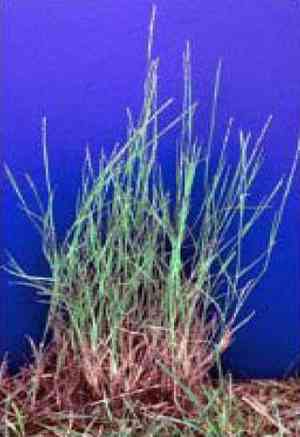
The primary method for propagating mat muhly is through division. For successful propagation, carefully lift the plant from the ground and divide the compact root masses. Verify that each section possesses sufficient roots and shoots to ensure vigorous development. Replant these sections into properly prepared soil, allowing ample room for root development. This technique maintains the plant's strong mat-like structure and fosters new, healthy growth.
What Is the Best Time To Propagate Mat Muhly?
Propagation Type
Division
Propagation Season
Spring,Autumn
What Tools Are Used in Mat Muhly Propagation?
Sharp Spade or Shovel
An acute spade or shovel is crucial for effectively separating mat muhly clumps. It aids in cleanly cutting through the root mass, minimizing root damage, and ensuring each division has enough roots to quickly establish in its new spot.
Gardening Gloves
Gardening gloves are essential for shielding hands from dirt, sharp roots, and any potential irritants. They also offer a better grip on tools and the plant during the division process.
Watering Can or Hose
Immediate watering after division is vital. A watering can or hose ensures that the newly separated sections of mat muhly receive adequate moisture to lessen transplant shock and help roots establish quickly.
Pruners
Pruners are utilized for trimming away dead or damaged roots and foliage before replanting the divisions. Ensuring clean cuts promotes faster healing and reduces disease risk.
Root Knife
A root knife is beneficial for more precise divisions, especially in dense or tough root masses. It helps in carefully separating roots without excessive tearing, which can lead to plant stress.
Organic Compost
Incorporating organic compost into the soil where the divided mat muhly will be planted guarantees a nutrient-rich environment, fostering healthy root growth and overall plant vigor.
Marking Stakes or Labels
Marking stakes or labels assist in identifying the various divisions and ensuring proper spacing and care. This is particularly useful if multiple sections of mat muhly are spread across the garden.
Hand Trowel
A hand trowel is useful for digging small planting holes for the divisions. Its smaller size allows for precise planting and ensuring each division is at the correct depth.
Humidity Dome
While not mandatory, a humidity dome can be advantageous for maintaining high humidity levels around newly planted divisions, especially in arid climates, helping to reduce transplant shock.
How to Propagate Mat Muhly?
Propagation Type
Easy
How to Care for Your Newly Propagated Mat Muhly?
How to Care for Your Newly Propagated Mat Muhly?
Post-propagation, continue to irrigate mat muhly consistently, particularly during dry spells, for the initial growing season to ensure robust root establishment. Fertilize sparingly with a balanced, slow-release fertilizer in the spring. Monitor for pests and diseases, and remove any damaged or dead foliage to maintain the plant's health and appearance. Prune back in late winter or early spring to encourage vigorous new growth.
Common Mistakes to Avoid When Propagating Mat Muhly
Overwatering
Excessive irrigation can lead to root rot and fungal infections, which can severely impede the propagation process.
Poor Soil Drainage
Using soil that doesn't drain well can cause water to accumulate around the roots, leading to root rot.
Inadequate Sunlight
Failing to provide sufficient light can hinder growth, as mat muhly thrives in full sun conditions.
Improper Cutting Techniques
Using dull or unsterilized tools can harm the plant and introduce disease, reducing the chances of successful propagation.
Incorrect Soil Composition
Planting in soil that lacks the necessary nutrients or has the wrong pH can result in poor root development.
Tips For Propagating Mat Muhly
Use Well-Draining Soil
Ensure that the soil mixture drains effectively to prevent waterlogging and root rot.
Water Moderately
Maintain moisture without excessive watering; the soil should be kept slightly damp but not saturated.
Provide Full Sun
Place the plant in an area with ample sun exposure to support healthy growth and vigorous root development.
Sterilize Tools
Always use clean, sanitized tools to take cuttings to prevent the introduction of diseases.
Monitor Soil pH
Ensure the soil is slightly acidic to neutral, ideally with a pH between 5.5 and 7.5, to promote optimal health and growth.
Mulch Lightly
Apply a thin layer of mulch to retain moisture and regulate soil temperature without hindering drainage.



