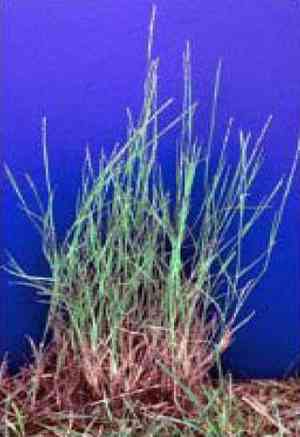
Mat muhly (Muhlenbergia richardsonis)
Also known as: mat muhly, mat muhly grass
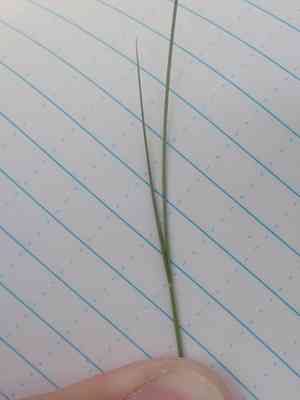
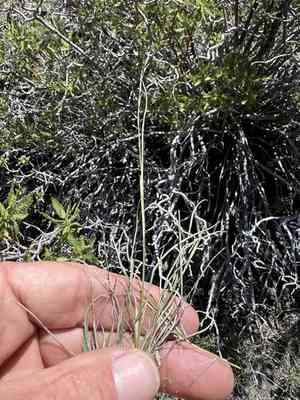
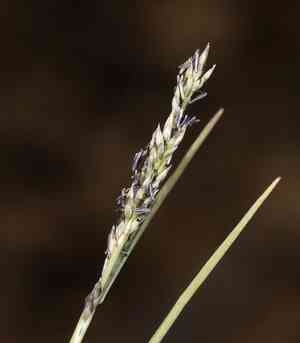
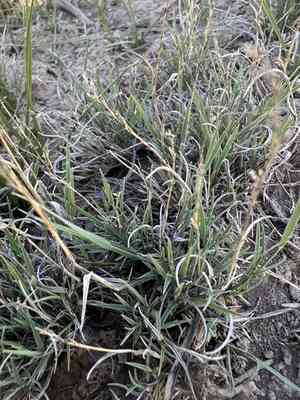
Muhlenbergia richardsonis, commonly known as mat muhly, is a perennial grass that spreads via rhizomes, forming dense mats with its stems, which can reach lengths of up to 40 centimeters. The grass features blue-green leaves that typically measure up to 5 or 6 centimeters in length. Its inflorescence is a narrow, cylindrical cluster composed of tightly appressed branches, each bearing single-flowered spikelets that are 2 to 3 millimeters long and gray-green in color. This species is adaptable to various habitats, including grasslands and meadows.
In This Article
Attributes of Mat muhly
Lifespan
Perennial
Plant Type
Grass
Plant Height
10 cm to 30 cm
Spread
Approximately 30-60 cm
Leaf Color
Green to gray-green
Flower Size
Small, typically less than 1 cm
Flower Color
White Yellow Green Brown
Images of Mat muhly
Quickly Identify Mat muhly
1
To identify Muhlenbergia richardsonis, look for its fine-textured leaves, mat-forming growth pattern, and distinctive purplish-tinged inflorescences that appear in late summer to early fall.
Scientific Classification of Mat muhly
Phylum
Vascular plants
Class
Monocotyledons
Order
Poales
Family
Grass
Genus
Muhly
Species
Mat muhly
Planting and Growing of Mat muhly
Care Difficulty
Easy
Watering Schedule
Every 2 days
Sunlight Requirements
Full sun
Sunshine Duration
6-10 hours
Ideal Temperature
50-77℉
Soil Type
Potting Mix, Peat Mix
Soil pH
6.5-7.5
Fertilizer Type
Balanced
Pruning Season
Spring, Summer
Pruning Area
Branches, Leaves
Pruning Frequency
2 times a year
Repotting Season
Spring
Pot Type
Plastic, Ceramic
 How to Water Mat muhly?
Muhlenbergia richardsonis prefers to have its soil evenly moist, but not waterlogged. Aiming for about 500ml per watering should suffice for keeping the soil damp. It's essential to balance so that the topsoil feels dry to the touch before watering again.
What are the symptoms of an underwatered Mat muhly?
›
What should I do if my Mat muhly is not getting enough water?
›
What are the symptoms of an overwatered Mat muhly?
›
How to save an overwatered Mat muhly?
›
 What Are the Sunlight Requirements for Mat muhly?
Muhlenbergia richardsonis thrives in full sun to partial sun conditions. This range ensures robust growth, vibrant foliage, and efficient photosynthesis, contributing to the plant's optimal health.
How can I provide ideal lighting conditions for Muhlenbergia richardsonis?
›
What are the benefits of providing ideal lighting for Muhlenbergia richardsonis?
›
What specific actions support Muhlenbergia richardsonis in getting ideal sunlight?
›
 What Is the Ideal Temperature Range for Mat muhly?
The ideal temperature range for Muhlenbergia richardsonis is between 50°F and 77°F. Within this range, the plant achieves optimal growth and health. Adequate warmth allows the plant's physiological processes to function efficiently, leading to better photosynthesis and nutrient absorption.
 What Soil is Best for Mat muhly?
Muhlenbergia richardsonis requires well-drained soil to prevent root rot and other water-related diseases. This helps ensure the roots have adequate oxygen and the plant can thrive in its environment, promoting healthier growth and a more robust appearance. This plant thrives in soils with moderate nutrient levels, which help it maintain its natural growth cycle without overstimulation. This balance provides lush, even growth and colorful seasonal changes, enhancing its aesthetic appeal. Muhlenbergia richardsonis prefers a slightly acidic to neutral pH range of 6.5 to 7.5. This pH ensures the availability of essential nutrients, such as nitrogen, phosphorus, and potassium, to the plant, leading to its vigorous growth and reduced risk of nutrient deficiencies.
 How to Fertilize Mat muhly?
For Muhlenbergia richardsonis, a balanced fertilizer is recommended. Use approximately 1/4 cup (about 60 ml) of liquid fertilizer diluted in a gallon of water per plant. For slow-release fertilizer, apply 1 tablespoon (about 15 grams) evenly distributed around the base of the plant.
 How to Prune Mat muhly?
Begin by removing old, dead, or yellowing leaves to encourage new growth. Cut these stems back close to the base using sharp pruners. This helps redirect the plant's energy towards healthy, new growth and enhances its appearance. After removing old growth, focus on shaping the plant. Trim uneven or overgrown parts to maintain a neat, tidy appearance. This is particularly important for ornamentally grown Muhlenbergia richardsonis, as a well-maintained shape adds to its aesthetic value. While pruning, inspect the plant for signs of pests or disease. Addressing these issues immediately can prevent them from spreading, ensuring your plant stays healthy throughout the growing seasons.
More About Pruning Techniques→
 How to Propagate Mat muhly plant?
1
Seeds should be collected from mature plants in the late summer when seed heads have fully developed. Careful handling is necessary to avoid losing tiny seeds during the harvesting process.
2
Using a shovel or sharp knife, carefully dig around and lift the plant. The root system should be divided into smaller sections, each with a good amount of roots attached.
3
Seeds can be sown in seed trays with moist potting mix, while divisions are planted directly in the garden. Both require well-draining soil and adequate moisture to establish well.
 How to Repot Mat muhly plant?
1
Muhlenbergia richardsonis requires repotting when you notice the roots growing out of the pot's drainage holes, or if the soil becomes compacted and waterlogged. This is usually every 2-3 years, coinciding with its growth spurt during the spring or autumn.
2
Select a pot that is 2-3 inches larger in diameter than the current one. A pot with sufficient drainage holes is crucial to avoid water retention that could lead to root rot. This will ensure enough space for the roots to expand, promoting healthy growth.
3
Opt for a well-draining sandy soil mix that mimics the plant's natural habitat. This type of soil ensures good aeration and prevents water-logging, thereby protecting the roots from diseases and enhancing nutrient uptake.



