How to Prune Cape tulip?
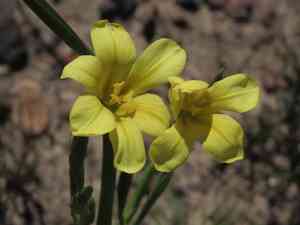
Originating from South Africa, cape tulip is celebrated for its vivid blossoms. The most effective trimming should take place in late spring or early summer once blooming has finished, to stimulate revitalization and control the plant's dimensions. This process entails eliminating faded blooms and deceased leaves to foster robust development and avert ailments. Such actions also contribute to preserving the aesthetic charm of cape tulip, which can become aggressive if not routinely trimmed. Making precise and clean cuts is vital for the well-being of cape tulip.
Advantages of Trimming Cape Tulip
Advantages of Trimming Cape Tulip
Trimming cape tulip is crucial for maintaining its form and encouraging robust development. Strategic cuts aid in revitalizing the plant, leading to a more controlled and visually appealing structure.
Optimal Period for Trimming Cape Tulip
Optimal Period for Trimming Cape Tulip
Trimming cape tulip during Spring and Summer aligns with its growth cycle, which initiates vigorous growth during these warmer months. Pruning in Spring helps in removing any dead or damaged parts left from the winter, promoting healthier blooms and encouraging a more robust growth as temperatures rise. Summer pruning allows for shaping the plant and controlling its size, ensuring that energy is directed towards new, healthy growth rather than maintaining older, potentially unproductive parts. This timing helps in sustaining the plantâs vitality and enhances flowering in the following seasons.
Necessary Tools for Trimming Cape Tulip
Hand Pruners (Bypass Pruners)
Perfect for making precise cuts on smaller stems and leaves, ensuring minimal harm to cape tulip.
Pruning Shears
Beneficial for accurate cutting and gentle trimming, suitable for the smaller, delicate nature of cape tulip.
Deadheading Snips
Effective for removing faded flowers without harming the plant, which encourages healthy growth and extends blooming.
Small Hand Rake
Assists in clearing away debris and dead plant material around cape tulip without disturbing its root system.
How to Trim Cape Tulip
Identify
Examine cape tulip for any indications of diseased or withered leaves and unhealthy stems. Carefully check both the upper and lower sides of the leaves and the condition of the stem to accurately identify which parts require removal.
Sterilize
Before starting to prune, sterilize your pruning tools using alcohol or a household disinfectant. This prevents the spread of disease from infected parts of cape tulip to healthy ones during the trimming process.
Trim leaves
Carefully remove diseased and withered leaves from cape tulip by cutting at the base of the leaf stem. Use sharp scissors or pruning shears to make clean cuts which help promote quicker healing.
Trim stems
For any diseased stems, make cuts at least a few inches below the affected area to ensure all diseased tissue is removed. Apply sharp, diagonal cuts to divert water away from the cut surface, which can help prevent infection.
Clean up
After pruning, clean up all removed leaves and stems by disposing of them properly. Do not compost them as diseased material might infect the compost. This will help prevent any recurrence of disease in cape tulip.
Common Trimming Errors with Cape Tulip
Excessive Pruning
Beginners often remove too much foliage, which can stress cape tulip and reduce its ability to photosynthesize effectively. Over-pruning can also lead to fewer flowers or weak growth.
Improper Cutting Technique
Using dull or dirty pruning tools can damage the tissue of cape tulip, leading to jagged cuts that poorly heal and become susceptible to pests and diseases.
Trimming New Shoots Too Early
Some gardeners may prune new shoots before they have a chance to fully develop, which limits the plant's natural growth pattern and can detract from its overall health and floral display.
General Trimming Advice for Cape Tulip
Utilize Sharp Tools
Always use clean, sharp secateurs or shears to make clean cuts. This helps prevent damage to the plant tissues, reducing the risk of disease and promoting quicker healing.
Focus on Dead or Damaged Stems
Regularly remove any dead, damaged, or diseased tissue from cape tulip to maintain its health and aesthetics. This action helps direct the plant's energy towards producing robust new growth and blooms.
Prune for Shape and Health
While pruning cape tulip, aim to create an open center to allow light and air to penetrate the plant, which helps prevent diseases. Also, remove any crisscrossing branches to maintain a good structure.



