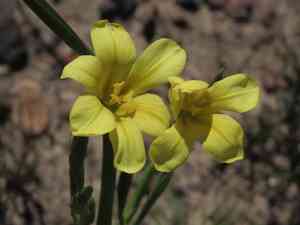
Cape tulip (Moraea collina)
Also known as: Apricot homeria
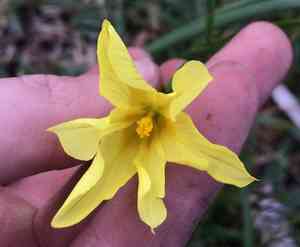
Moraea collina is a cormous geophyte that typically reaches a height of 15 to 50 centimeters. It features a single, sheath-shaped leaf and can have either a simple or branched stem. The plant isn't sticky when touched. Its flowers, which range from yellow to pale salmon pink with yellow nectar guides, have outer tepals that form a cup shape. Blooming occurs from summer to fall, with flowers opening in the afternoon.
In This Article
Attributes of Cape tulip
Lifespan
Perennial
Plant Type
Herb
Plant Height
40 cm
Spread
10 cm
Leaf Color
Green Blue
Flower Size
3-5 cm
Flower Color
Yellow Pink Orange
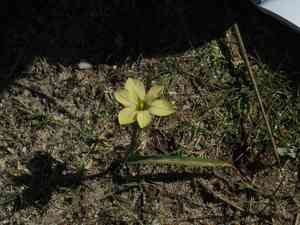
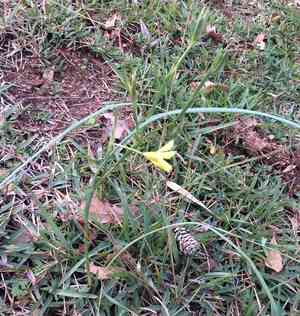
Images of Cape tulip

Quickly Identify Cape tulip
1
Moraea collina can be identified by its sword-shaped leaves and vibrant flowers that can range from blue to violet. The plant typically has a single flower per stem, making it easier to spot during its flowering season.
Scientific Classification of Cape tulip
Phylum
Vascular plants
Class
Monocotyledons
Order
Asparagales
Family
Iris
Genus
Cape Tulips
Species
Cape tulip
Planting and Growing of Cape tulip
Care Difficulty
Easy
Watering Schedule
Every 2 days
Sunlight Requirements
Full sun
Sunshine Duration
4-8 hours
Ideal Temperature
59-75℉
Soil Type
Potting Mix, Peat Mix
Soil pH
6-7.5
Fertilizer Type
Balanced
Pruning Season
Spring, Summer
Pruning Area
Branches, Leaves
Pruning Frequency
2 times a year
Repotting Season
Spring
Pot Type
Plastic, Terracotta
 How to Water Cape tulip?
Moraea collina requires moderate watering. When you water, aim to soak the root zone thoroughly, but ensure that excess water drains away efficiently. The principle is to mimic the natural rain patterns it experiences in its native habitat, where water is abundant but not constant.
What are the symptoms of an underwatered Cape tulip?
›
What should I do if my Cape tulip is not getting enough water?
›
What are the symptoms of an overwatered Cape tulip?
›
How to save an overwatered Cape tulip?
›
 What Are the Sunlight Requirements for Cape tulip?
Moraea collina thrives best in a full sun to partial sun environment. Ensuring it receives unobstructed sunlight for around 4 to 6 hours can enhance its flowering and overall vitality. Adequate light ensures strong, healthy growth and a robust flowering cycle.
What is the preferred sunlight for Moraea collina?
›
How can you ensure Moraea collina receives ideal lighting?
›
What are the benefits of providing ideal lighting conditions for Moraea collina?
›
 What Is the Ideal Temperature Range for Cape tulip?
Moraea collina thrives best in temperatures ranging from 59°F to 75°F. This range ensures optimal growth and flowering. Temperatures in this range mimic the plant's natural environment, providing the conditions necessary for its metabolic processes and maintaining plant health.
 What Soil is Best for Cape tulip?
Moraea collina thrives in well-draining soil, allowing excess water to flow away quickly. This reduces the risk of root rot and provides an ideal environment for root development and nutrient absorption. Rich soil is beneficial for Moraea collina as it supplies essential nutrients required for robust growth. Incorporating organic matter, like compost, enriches the soil, fostering healthy foliage and vibrant blooms. While the soil should be well-draining, maintaining moderate moisture levels is crucial. Regular but not excessive watering ensures that the plant receives adequate moisture without waterlogging, promoting healthy, sustained growth.
 How to Fertilize Cape tulip?
For Moraea collina, using a balanced 10-10-10 fertilizer is recommended. When applying liquid fertilizers, dilute to half the recommended strength to avoid nutrient burn. Approximately 1 tablespoon of liquid fertilizer can be mixed for every gallon of water used.
 How to Prune Cape tulip?
Use clean, sharp pruning shears or scissors to avoid damaging the plant. Begin by inspecting the plant for any dead or diseased leaves or stems, as these should be the priority for removal. Wipe the blades with alcohol after cutting diseased parts to prevent spreading pathogens. Trim back overgrown stems to maintain the desired shape and size of your Moraea collina. This ensures that the plant maintains an aesthetically pleasing appearance. You should aim to cut just above a healthy node to encourage new growth in the right direction.
More About Pruning Techniques→
 How to Propagate Cape tulip plant?
1
Collect seeds from a mature Moraea collina plant immediately after the pods have dried out on the plant. Allow them to dry in a cool, dark place for a few days before planting. This step is crucial to ensure that the seeds have reached full maturity and will have the highest chance of successful germination.
2
To divide Moraea collina, first, carefully dig up the mature plant without damaging the corms. Gently shake off the soil and use a sharp knife to divide the corms, ensuring each section has at least one growth point. Allow the divided corms to dry out slightly before replanting.
3
For seeds, plant them in a seed tray filled with a well-draining mix and cover lightly with soil. For divided corms, plant them directly in the ground or pots at the appropriate depth. Water gently after planting to avoid displacement.
 How to Repot Cape tulip plant?
1
A Moraea collina needs repotting when its current pot becomes visibly cramped, indicated by roots emerging from drainage holes. Other signs include slower growth and the pot drying out very quickly after watering.
2
Select a pot that’s one size larger than the current one, with ample drainage holes to prevent water from accumulating. Terracotta pots are excellent for regulating moisture, reducing the risk of root rot.
3
Opt for a well-draining sandy mix, which facilitates proper root aeration and reduces water retention issues. This type of soil helps prevent the root rot that can often plague Moraea collina when over-watered or poorly drained.
Toxicity
Ingestion
WARNING
The judgment on toxicity and danger is for reference only. We DO NOT GUARANTEE any accuracy of such judgment. Therefore, you SHALL NOT rely on such judgment. It is IMPORTANT TO SEEK PROFESSIONAL ADVICE in advance when necessary.
Learn More About Cape tulip Diseases
Anthracnose
Bacterial Leaf Spot
Bacterial Soft Rot
Bacterial Wilt
Crown Gall
Cyst Nematode
Damping-off
Downy Mildew
Drought Stress
Fusarium Wilt
Gray Mold
Leaf Spot
Mosaic
Nutrient Deficiency
Nutrient Toxicity
Powdery Mildew
Root Rot
Root-knot Nematode
Rusts
Sooty Mold
Spider Mites
Temperature Stress
Thrips Damage
White Mold



