The Cape tulip Plant Advantage: Maximizing Home and Office Appeal and Wellness
1
Cape tulip is well-known for flourishing in challenging environments, making it a hardy addition to your garden.
2
The bright blooms of Cape tulip can greatly improve the visual charm of any outdoor space.
3
Cultivating Cape tulip can boost biodiversity, drawing in pollinators and other helpful creatures.
Why is Cape tulip a Robust Option for Gardeners?
Flourishes in Various Environments
Cape tulip is highly adaptable, thriving across diverse soil types and climate conditions. It's well-suited for arid regions, enduring both drought and moderate cold. This capacity to prosper in challenging settings makes it a dependable choice for gardeners facing unpredictable weather.
Minimal Upkeep Requirements
Cape tulip demands very little care. Once established, it needs infrequent watering, often surviving on rainfall alone. Furthermore, it resists many common pests and diseases, reducing the need for chemical interventions. This low-maintenance trait makes it ideal for both new and seasoned gardeners.
How Can Cape tulip Enhance Your Garden's Visual Appeal?
Vivid Blooms
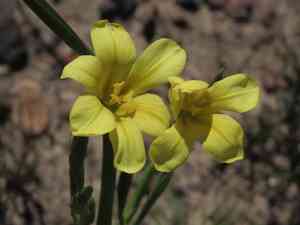
A key feature of Cape tulip is its striking, tulip-like flowers, appearing in various orange, yellow, and red hues. These colorful blossoms create a stunning visual display in any garden, making Cape tulip a popular choice for decorative planting.
Seasonal Visual Interest
Cape tulip primarily flowers in spring, offering an early burst of color after winter's dullness. Its attractive foliage also provides visual appeal throughout the growing season, ensuring your garden remains beautiful year-round.
What Role Does Cape tulip Play in Supporting Biodiversity?
Attracts Pollinators
Cape tulip flowers are rich in nectar, drawing in various pollinators, including bees, butterflies, and birds. By cultivating Cape tulip, you contribute to the local ecosystem by aiding the reproduction of these vital species.
Offers Shelter
The dense foliage of Cape tulip provides cover and habitat for smaller garden creatures like insects and small mammals. This not only boosts biodiversity but also helps establish a balanced and healthy garden ecosystem.
How to Successfully Grow Cape tulip in Your Garden?
Planting Advice
Cape tulip prefers well-drained soil and a sunny spot. Plant the bulbs in autumn, ensuring they are placed about 10-15 cm deep. Space the bulbs roughly 15 cm apart to allow ample room for growth and flourishing.
Care Guidelines
Water sparingly, letting the soil dry out between watering sessions. Apply a balanced fertilizer in early spring to encourage healthy growth and vibrant blooms. Monitor for any signs of pests or diseases and act promptly if needed to maintain plant health.
Can Cape tulip Be Integrated into Wellness Practices?
Gardening as a Therapeutic Activity
Engaging in garden tasks like planting and nurturing Cape tulip can be a calming and therapeutic practice. The act of gardening itself has been shown to lessen stress, promote physical activity, and improve mental well-being.
Aesthetic Benefits for Mental Health
The bright and cheerful flowers of Cape tulip can positively affect oneâs mood. Simply spending time in a garden filled with vibrant plants can lift your spirits and provide a sense of calm.



