How to Prune Little nipple cactus?
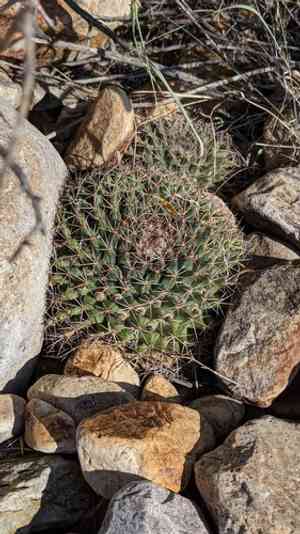
Mammillaria heyderi, recognized for its compact stature and characteristic hooked thorns, thrives with judicious trimming to foster robust development. The most favorable periods for pruning are early spring and late winter, coinciding with the plant's inactive phase. Remove any deceased or injured sections and reduce dense growth to enhance air circulation. Pruning aids in controlling the plant's form and averting ailments. Always employ sterilized implements to prevent contamination. Adhere to these guidelines for a flourishing, appealing Mammillaria heyderi in your collection.
What Are the Benefits of Pruning Little Nipple Cactus?
What Are the Benefits of Pruning Little Nipple Cactus?
Trimming little nipple cactus encourages robust development and helps maintain its form. It prevents excessive growth, promotes healthy progress, and boosts resistance to pests and illnesses, ensuring a strong and attractive plant.
What Is the Best Time for Pruning Little Nipple Cactus?
What Is the Best Time for Pruning Little Nipple Cactus?
Trimming little nipple cactus in late winter or early spring is optimal as this period aligns with the plantâs dormant phase, just before its new growth cycle begins. Pruning during these seasons allows the plant to recover quickly and direct its energy toward vigorous new growth. Additionally, little nipple cactus will not have its blooming cycle interrupted at this time, ensuring peak health and abundant flowers.
What Tools Do I Need to Prune Little Nipple Cactus?
Long-handled tweezers
Perfect for managing the small, densely packed structure of little nipple cactus without harming the gardener or the plant.
Sharp, sterilized scissors
Useful for precise removal of dead or damaged sections of little nipple cactus to prevent disease spread and encourage healthy growth.
Soft brush
Crucial for gently clearing debris and dust from the surface of little nipple cactus, helping to preserve its health and appearance without causing harm.
How to Prune Little Nipple Cactus
Assessment
Start by examining little nipple cactus for any indications of diseased or withered foliage. This will help determine the necessary extent of pruning and ensure focus on the correct areas.
Cleaning Tools
Ensure all pruning implements, such as scissors or small shears, are disinfected. This prevents the transmission of diseases between plants.
Trimming Diseased Leaves
Carefully snip off any diseased leaves at the base of the plant where they connect to the main body. Make sure to cut as close as possible without harming the healthy part of the plant.
Trimming Withered Leaves
Next, remove the withered leaves using the same technique. Hold each leaf gently and cut it cleanly at the base to avoid tearing or causing additional damage.
Disposal and Cleaning
Discard all trimmed sections in a sealed bag or container to prevent disease spread. Clean your tools again after use to maintain plant health.
Common Pruning Mistakes with Little Nipple Cactus
Over-pruning
Excessive pruning can stress little nipple cactus and hinder its development. This plant does not require extensive trimming, and removing too many segments can be detrimental.
Wrong tools
Using unsuitable tools, such as dull or dirty scissors, can cause damage to little nipple cactus. This can lead to infections and slower recovery.
Poor technique
Incorrect cutting methods, like making jagged cuts, can cause more harm than good. It is essential to make clean, precise cuts to avoid damaging the plant tissue.
Handling precautions
Failing to handle little nipple cactus with care, especially due to its spiky nature, can cause injury to both the gardener and the plant. Careless handling can also damage the plant's delicate segments.
Ignoring signs of stress
Pruning little nipple cactus when it is already under stress from factors like drought, pest infestations, or disease can worsen its condition.
Common Pruning Tips for Little Nipple Cactus
Minimal pruning
Keep pruning to a minimum. Focus solely on removing dead or diseased parts of the plant. Little nipple cactus generally thrives with little intervention.
Use clean, sharp tools
Always use clean, sharp scissors or pruning shears for clean cuts. Disinfecting tools before and after use can prevent the spread of any disease.
Cut at joints
When pruning, make cuts at natural joints or where segments meet. This reduces the risk of damaging the main body of the plant.
Remove pests
Carefully remove any visible pests or infected segments, but do so sparingly to avoid causing undue stress to the plant.
Wear protective gloves
Given little nipple cactus's spiky nature, wearing thick gloves can prevent injury and allow for more careful handling of the plant.



