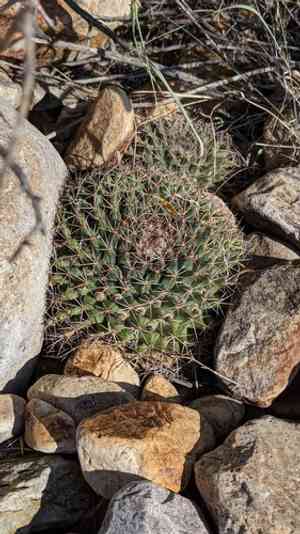
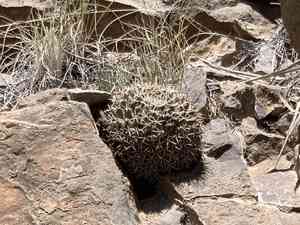
Little nipple cactus (Mammillaria meiacantha)
Also known as: Meiacantha Pincushion
The little nipple cactus is named for the distinctive arrangement of its spines. While most of its spines grow uniformly, there is a single, densely packed cluster that resembles a nipple. Additionally, this cactus blooms from early spring to summer, making it an attractive and enduring houseplant for enthusiasts.
In This Article
Attributes of Little nipple cactus
Lifespan
Perennial
Plant Type
Succulent
Plant Height
5 to 10 cm (2 to 4 inches)
Spread
5 to 15 cm (2 to 6 inches)
Leaf Color
N/A (Cacti do not have traditional leaves. They have spines.)
Flower Size
2 to 3 cm (approximately 1 inch)
Flower Color
Pink to purple
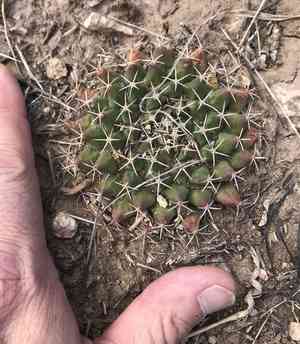
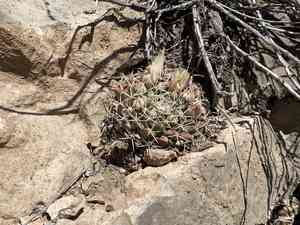
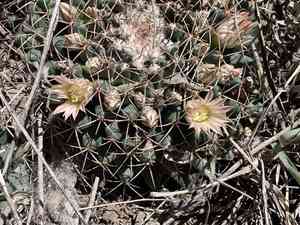
Images of Little nipple cactus
Quickly Identify Little nipple cactus
1
Identifiable by its small, spherical shape, dense spines, and characteristic tubercles. The flowers are funnel-shaped and typically range in color from pink to purple.
Scientific Classification of Little nipple cactus
Phylum
Vascular plants
Class
Dicotyledons
Order
Caryophyllales
Family
Cactuses
Genus
Mammillaria
Species
Little nipple cactus
Planting and Growing of Little nipple cactus
Care Difficulty
Moderate
Watering Schedule
Every 2 days
Sunlight Requirements
Full sun
Sunshine Duration
4-8 hours
Ideal Temperature
70-80℉
Soil Type
Potting Mix, Peat Mix
Soil pH
6.5-7.5
Fertilizer Type
Balanced
Pruning Season
Spring, Summer
Pruning Area
Branches, Leaves
Pruning Frequency
2 times a year
Repotting Season
Spring
Pot Type
Plastic, Ceramic
 How to Water Little nipple cactus?
For Mammillaria meiacantha, water approximately 50 ml each time to ensure the soil is adequately moist without becoming waterlogged. This amount is perfect for maintaining the right balance, allowing the cactus to absorb enough moisture without risk of root rot.
What are the symptoms of an underwatered Little nipple cactus?
›
What should I do if my Little nipple cactus is not getting enough water?
›
What are the symptoms of an overwatered Little nipple cactus?
›
How to save an overwatered Little nipple cactus?
›
 What Are the Sunlight Requirements for Little nipple cactus?
Mammillaria meiacantha benefits from full to partial sun exposure. Proper lighting ensures robust growth and vibrant flowering, crucial for overall plant health.
How much sun does it need?
›
How to ensure ideal lighting?
›
What are the benefits of ideal light?
›
 What Is the Ideal Temperature Range for Little nipple cactus?
For Mammillaria meiacantha, maintaining an ideal temperature range between 70°F and 80°F is essential. This range supports optimal growth and health by mimicking the plant's natural environment conditions. Ensuring the climate is stable within this range helps prevent stress and promotes flowering.
 What Soil is Best for Little nipple cactus?
Mammillaria meiacantha thrives in well-draining soil. Good drainage prevents water from accumulating, thus protecting the roots from rot. This is crucial for the cactus as it hails from arid environments where water drains away quickly. These plants prefer soil that is not too rich in organic matter. A nutrient-light composition mimics their natural environment, ensuring they grow healthily without developing overly lush foliage, which can be susceptible to pests. Mammillaria meiacantha benefits from a slightly alkaline soil. This pH level facilitates optimal nutrient uptake, ensuring that the plant maintains its spiny beauty and structural integrity.
 How to Fertilize Little nipple cactus?
For Mammillaria meiacantha, use a balanced liquid cactus fertilizer diluted to half the recommended strength. Apply around 30 ml of this solution per plant when fertilizing.
 How to Prune Little nipple cactus?
Ensure you use sterilized pruning tools to avoid infection. This can be done by cleaning the shears with alcohol or disinfectant before starting the pruning process. Carefully trim old, dead, or damaged stems near the base. Make clean cuts to minimize damage, and try not to disturb healthy parts of the plant during this process.
More About Pruning Techniques→
 How to Propagate Little nipple cactus plant?
1
First, collect fresh seeds from a mature Mammillaria meiacantha. Clean them thoroughly to remove any pulp, which can attract fungi or pests. Allow the seeds to dry before sowing.
2
Select a healthy stem and use a sharp knife to make a clean cut. Allow the cutting to callus over a period of 1-2 days to prevent rot when placed in soil.
3
Carefully separate offsets from the main plant, ensuring each has a portion of the root system. Replant them in a well-draining substrate to encourage independent growth.
 How to Repot Little nipple cactus plant?
1
Mammillaria meiacantha will need repotting when you notice its roots protruding from the drainage holes or the soil's inability to dry quickly after watering. These signs indicate the plant has outgrown its pot and requires more space to thrive. Another good time to consider repotting is if you find the soil degrading and compacting, which can affect drainage and health of the plant.
2
Choose a pot that is slightly larger than the plant's root ball. Ensure it has drainage holes to prevent waterlogging, which can cause root rot. A terracotta pot is an excellent choice as it allows air and moisture exchange, keeping the roots healthy and the soil from staying too wet.
3
Opt for a well-draining cactus mix, which often includes sand, perlite, and a small amount of organic matter. This ensures good aeration and prevents water from sitting around the roots, ultimately reducing the risk of root rot and helping your Mammillaria meiacantha thrive.



