How to Propagate Little nipple cactus?
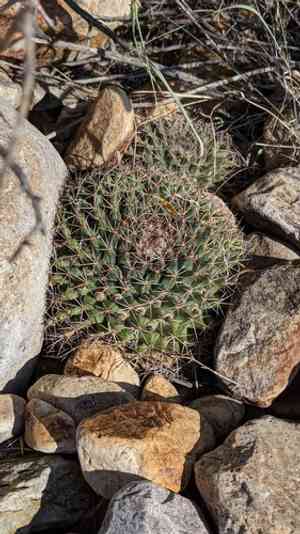
Mammillaria compressa, a diminutive and gradually developing cactus, is distinguished by its abundant small spines and dense, spherical form. To multiply Mammillaria compressa, begin by carefully gathering seeds from its fruit, verifying their cleanliness and dryness. Disperse the seeds onto a well-aerated cactus substrate and lightly conceal them. Maintain a moderately damp soil environment and position in a warm, luminous spot until sprouting commences.
What Is the Best Time To Propagate Little Nipple Cactus?
Propagation Type
Sowing
Propagation Season
Spring
What Tools Are Used in Little Nipple Cactus Propagation?
Seed Trays
Seed trays are vital for planting little nipple cactus seeds. They offer a contained space for germination, ensuring uniform spacing and development. These trays help maintain consistent moisture and simplify seedling management.
Cactus Soil Mix
A well-draining cactus soil blend is essential for little nipple cactus, as it prevents water from pooling around roots, which can cause decay. This mix typically contains sand, perlite, and small stones to improve drainage and provide balanced nutrients.
Humidity Dome
A humidity dome aids in sustaining higher moisture levels around the seeds, which benefits the germination process of little nipple cactus. It keeps seeds moist without direct watering, reducing the chance of fungal growth.
Seed Heating Mat
A seed heating mat delivers consistent, controlled warmth to the soil, which can accelerate germination and boost the success rate of propagating little nipple cactus. This is especially useful in cooler climates where natural ground warmth may be insufficient.
Tweezers
Using tweezers is advisable when handling little nipple cactus seeds. Due to their small size and delicate nature, tweezers help in precise placement within the seed tray without causing damage.
Spray Bottle
A spray bottle allows for gentle irrigation of little nipple cactus seeds and seedlings, preventing disturbance of seeds or soil. It helps maintain proper moisture without overwatering, which is crucial for seedling health.
Plant Labels
Plant labels are important for tracking different species or varieties when sowing seeds. They assist in identifying little nipple cactus during germination and ensure proper care and record-keeping.
How to Propagate Little Nipple Cactus?
Propagation Type
Easy
How to Care for Your Newly Propagated Little Nipple Cactus?
How to Care for Your Newly Propagated Little Nipple Cactus?
Post-germination, gradually introduce seedlings to lower humidity by slowly opening the cover over time. Provide them with bright, indirect light and water sparingly, only when the soil is completely dry. Ensure seedlings are kept in well-ventilated areas to prevent fungal issues. As they grow, transplant them to individual pots with the same well-draining cactus mix and continue to monitor watering, allowing the soil to dry between waterings. Shield young plants from extreme temperatures and direct sun until they are established.
Common Mistakes to Avoid When Propagating Little Nipple Cactus
Overwatering
Excessive watering can lead to root rot, which is harmful to succulents like little nipple cactus. Ensuring the soil dries out between waterings is vital.
Using improper soil
Employing regular potting soil that retains too much moisture can harm little nipple cactus. This plant thrives in a well-draining cactus mix.
Insufficient light
Providing too little light can result in weak, elongated growth. Little nipple cactus needs ample sunlight for proper development.
Propagating during the dormant period
Attempting propagation during little nipple cactus's dormant phase can lead to poor success rates as the plant's energy is not directed towards growth.
Incorrect handling of offsets
Damaging the offsets (pups) during separation can impede successful propagation. Careful handling is necessary to keep the offsets healthy.
Tips For Propagating Little Nipple Cactus
Use well-draining soil
Combine cactus soil with perlite or sand to ensure proper drainage, preventing root rot.
Let callus form
After separating offsets, allow the cut surfaces to form a callus for a few days before planting to prevent decay.
Provide plenty of sunlight
Place the propagated plants in an area with abundant sunlight, ideally direct sun for several hours daily.
Water sparingly
Water the propagated plants infrequently, only when the soil is completely dry. Overwatering can be fatal.
Maintain appropriate temperatures
Keep the temperature consistent and warm, avoiding cold drafts or sudden temperature drops which can stress little nipple cactus.



