How to Prune Oval-leaf staggerbush?
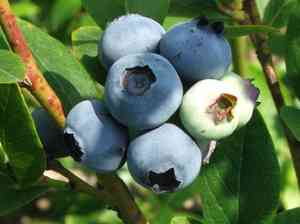
A blooming bush recognized for its bell-like blooms and tough foliage, oval-leaf staggerbush flourishes with appropriate trimming. Essential methods involve reducing aged branches and clipping faded flowers to stimulate fresh development and blooming. The most effective time for pruning is in winter, while the plant is inactive. Meticulous elimination of impaired or congested branches boosts air movement and the plant's well-being. Trimming oval-leaf staggerbush refines its inherent form, stops excessive growth, and sustains an attractive appearance.
Advantages of Trimming Oval-leaf Staggerbush
Advantages of Trimming Oval-leaf Staggerbush
Trimming oval-leaf staggerbush encourages robust development and maintains its desired form. Strategic cuts can revitalize the plant, promoting a denser structure and potentially boosting its blooming capacity. Regular trimming keeps oval-leaf staggerbush visually appealing and thriving.
Optimal Time for Pruning Oval-leaf Staggerbush
Optimal Time for Pruning Oval-leaf Staggerbush
Cutting back oval-leaf staggerbush in late winter to early spring is advantageous because the plant is still dormant, minimizing health impact. Pruning during dormancy helps reduce disease spread and allows wounds to heal before the growing season. This timing also prevents removing the upcoming spring's flower buds, which form on the previous year's growth, allowing oval-leaf staggerbush to retain its flowering potential. Furthermore, bare branches in winter offer better visibility for identifying dead or diseased wood, simplifying selective cuts that shape the plant and foster healthy growth. Fresh cuts made then will stimulate new growth as the plant enters its active period, enhancing the overall vigor and beauty of oval-leaf staggerbush.
Required Tools for Pruning Oval-leaf Staggerbush
Hand Pruners
Perfect for making precise cuts on oval-leaf staggerbush's smaller branches and stems; ensures clean cuts for healthy regrowth.
Lopping Shears
Suitable for cutting through slightly thicker stems and branches of oval-leaf staggerbush, which might be too robust for hand pruners.
Pruning Saw
If oval-leaf staggerbush has some mature, woody stems, a pruning saw is essential for making clean cuts on branches too thick for loppers.
Hedge Shears
Can be utilized for shaping oval-leaf staggerbush if it is being maintained as a hedge or to achieve a formal look.
Pruning Gloves
Hand protection while managing oval-leaf staggerbush, to prevent injury from sharp branches or thorns.
How to Prune Oval-leaf Staggerbush
Sanitize Tools
Sterilize all pruning tools with a solution of one part bleach to nine parts water to prevent disease transmission when pruning oval-leaf staggerbush.
Identify
Carefully inspect oval-leaf staggerbush for dead or diseased branches. Dead branches will be brittle, with dry, brown wood, while diseased branches may show signs of discoloration or unusual growth patterns.
Remove Diseased Branches
Using sharp, clean pruning shears, cut diseased branches well below the affected area, ensuring the entire diseased section is removed to prevent further infection of oval-leaf staggerbush.
Remove Dead Branches
Eliminate dead branches by cutting them off at the point where they meet healthy wood, ensuring a smooth cut that oval-leaf staggerbush can heal over quickly.
Discard Diseased Materials
Dispose of all removed diseased branches by burning or bagging them to prevent the spread of pathogens and protect the health of oval-leaf staggerbush and nearby plants.
Common Pruning Errors with Oval-leaf Staggerbush
Incorrect Cutting Technique
Using dull or unclean pruning tools can result in jagged cuts, potential for disease entry, and harm to oval-leaf staggerbush.
Excessive Pruning
Removing more than one-third of the plant at once can stress oval-leaf staggerbush, reducing its vigor and potentially leading to poor health or death.
Neglecting Damaged Limbs
Failing to remove dead or diseased branches compromises the overall health and aesthetic of oval-leaf staggerbush, as these can harbor pests and diseases.
Pruning Healthy Growth
Cutting back new growth indiscriminately can hinder blooming, as oval-leaf staggerbush may flower on last year's wood.
Ignoring Plant Shape
Pruning without consideration of oval-leaf staggerbush's natural growth habit can result in a misshapen plant that may not flower optimally.
General Pruning Advice for Oval-leaf Staggerbush
Sharp Clean Tools
Ensure that pruning tools are sharp and sanitized to make clean cuts that oval-leaf staggerbush can quickly heal from, reducing disease risk.
Prune Selectively
Selectively prune branches to maintain the shape and health of oval-leaf staggerbush, focusing on removing only damaged or excessively dense areas.
Encourage Air Flow
Thin out branches judiciously to encourage better air circulation and sunlight penetration, which can lead to healthier growth and flowering for oval-leaf staggerbush.
Timing Secondary Growth
Trim back areas after flowering if necessary, as this may stimulate secondary growth where next year’s blooms will form.
Follow Natural Shape
Prune with the natural shape of oval-leaf staggerbush in mind, enhancing its form rather than working against its growth pattern.



