How to Propagate Oval-leaf staggerbush?
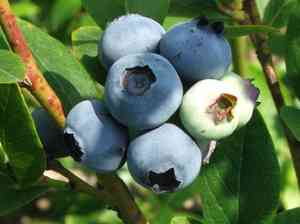
Oval-leaf staggerbush, a notable member of the Ericaceae family, flourishes in acidic, well-draining substrates, frequently found in forested environments. To multiply this plant, collect semi-hardwood cuttings in late summer. Verify that the cuttings possess several leaves and are free of pathogens. While not strictly required, rooting stimulant can improve the chances of success. Insert the cuttings into a blend of peat and perlite, ensuring steady humidity and warmth. After rooting, move them to separate containers filled with ericaceous potting mix.
Optimal Period for Propagating Oval-leaf Staggerbush
Propagation Method
Cutting
Propagation Season
Autumn,Winter
Tools Required for Oval-leaf Staggerbush Propagation
Sharp Pruning Shears
Utilized for making clean, precise cuts on stem cuttings of oval-leaf staggerbush. Sharp blades prevent harm to the parent plant and ensure robust cutting samples, fostering better rooting and development.
Rooting Hormone Powder
Promotes root development in oval-leaf staggerbush cuttings. Dipping the cut end into the hormone stimulates root growth, boosting the likelihood of successful propagation.
Sterile Potting Mix
Offers a pathogen-free environment vital for the delicate cuttings of oval-leaf staggerbush. This mix supports healthy root growth without the threat of soil-borne diseases that could impede the rooting process.
Propagation Trays
Used for organizing and managing multiple oval-leaf staggerbush cuttings. These trays help maintain necessary humidity and temperature, key factors for successful root development.
Plastic Dome or Cover
Creates a mini-greenhouse effect over propagation trays. It helps maintain high humidity and stable temperatures, conditions essential for oval-leaf staggerbush cuttings to root successfully.
Heat Mats
Placed beneath propagation trays, they provide consistent bottom warmth beneficial for root development in oval-leaf staggerbush cuttings. This gentle heat encourages quicker root growth.
Moisture Meter
Monitors soil moisture levels, crucial for oval-leaf staggerbush cuttings to prevent over or under-watering. Proper moisture is vital for avoiding fungal infections and ensuring healthy root development.
How to Propagate Oval-leaf Staggerbush?
Propagation Type
Moderately Difficult
How to Care for Your Newly Propagated Oval-leaf Staggerbush?
How to Care for Your Newly Propagated Oval-leaf Staggerbush?
After successful rooting, gradually acclimate the oval-leaf staggerbush to less humid conditions by removing the plastic covering over approximately one week. Once the new plants establish a strong root system, transplant them into individual containers with well-draining acidic soil. Water regularly, keeping the soil consistently moist but not waterlogged, and place oval-leaf staggerbush in an area with partial shade. Routinely check for pests and diseases.
Common Mistakes to Avoid When Propagating Oval-leaf Staggerbush
Overwatering
Excessive moisture can lead to root rot in oval-leaf staggerbush, as its roots require a well-drained environment to function properly. This error can jeopardize the plant's overall health, resulting in a weakened system less capable of successful propagation.
Excessive use of fertilizers
While nutrients are vital, too much fertilizer can cause root or foliage burn in oval-leaf staggerbush, potentially harming young and sensitive roots or shoots. This hinders the growth of healthy plants from cuttings or seeds.
Improper cutting techniques
Using dull or unsterilized tools to take cuttings of oval-leaf staggerbush can damage plant tissues, leading to poor healing or infection. Incorrect cuts can also impact rooting success, as precise, clean cuts are crucial for new root development.
Tips For Propagating Oval-leaf Staggerbush
Humidity and warmth control
Maintaining a controlled environment with adequate humidity and warmth can significantly boost rooting success rates for oval-leaf staggerbush. It helps prevent cuttings from drying out before they can root.
Soil preparation
Using a well-draining, light soil mix or a blend of peat and perlite can provide optimal conditions for root growth in oval-leaf staggerbush. Ensuring the soil isn't too heavy or clayey is crucial for proper root expansion and gas exchange.
Moderate fertilization
Applying a balanced, mild fertilizer can aid the growth of oval-leaf staggerbush without overwhelming the plant with excess nutrients. It's important to encourage healthy, sustainable growth rather than rapid, unsustainable spurts.



