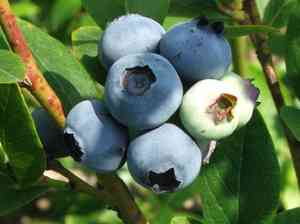
Oval-leaf staggerbush (Lyonia ovalifolia)
Also known as: Nepalese Lyonia, Indian lyonia
An interesting plant that can take the form of either a shrub or a small tree is the hawthorn (Crataegus spp.). It may be found as a deciduous or evergreen plant based on its growing conditions. Often used for ornamental purposes or as robust hedging, hawthorn is known for its extremely dense and thorny branches, which create an almost impenetrable barrier for both humans and animals.
In This Article
Attributes of Oval-leaf staggerbush
Lifespan
Perennial
Plant Type
Tree, Shrub
Plant Height
10 m
Spread
1-3 meters
Leaf Color
Green
Flower Size
6 mm to 1.2 cm
Flower Color
White
Images of Oval-leaf staggerbush
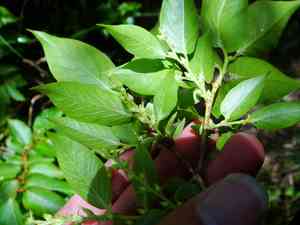
Quickly Identify Oval-leaf staggerbush
1
Lyonia ovalifolia can be identified by its oval leaves, which are leathery and have a smooth edge. The plant has small, white to pinkish bell-shaped flowers and produces small, round, reddish-brown fruit.
Scientific Classification of Oval-leaf staggerbush
Phylum
Vascular plants
Class
Dicotyledons
Order
Heathers and allies
Family
Heath
Genus
rusty staggerbush
Species
Oval-leaf staggerbush
Planting and Growing of Oval-leaf staggerbush
Care Difficulty
Easy
Watering Schedule
Every 2 days
Sunlight Requirements
Partial sun
Sunshine Duration
4-8 hours
Ideal Temperature
60-75℉
Soil Type
Potting Mix, Peat Mix
Soil pH
4.5-6.5
Fertilizer Type
Balanced
Pruning Season
Spring, Summer
Pruning Area
Branches, Leaves
Pruning Frequency
2 times a year
Repotting Season
Spring
Pot Type
Plastic, Ceramic
 How to Water Oval-leaf staggerbush?
When watering Lyonia ovalifolia, it is crucial to ensure that the soil is moist but not waterlogged. Aim for approximately 500 ml of water each time, allowing water to soak through the pot or garden soil and then letting any excess drain away. This helps maintain adequate moisture while preventing root rot.
What are the symptoms of an underwatered Oval-leaf staggerbush?
›
What should I do if my Oval-leaf staggerbush is not getting enough water?
›
What are the symptoms of an overwatered Oval-leaf staggerbush?
›
How to save an overwatered Oval-leaf staggerbush?
›
 What Are the Sunlight Requirements for Oval-leaf staggerbush?
Lyonia ovalifolia thrives in partial to full sun, ideally with morning light and protection from intense afternoon sun. Correct light exposure stimulates healthy growth, vibrant foliage, and strong resistance to diseases.
More About Sunlight Requirements Techniques→
How much light does Lyonia ovalifolia need daily?
›
What are the solutions to achieve ideal lighting conditions?
›
What benefits does ideal lighting provide?
›
 What Is the Ideal Temperature Range for Oval-leaf staggerbush?
The ideal temperature range for cultivating Lyonia ovalifolia is between 60 to 75 degrees Fahrenheit. This range provides the optimal environment for the plant's metabolic processes, promoting healthy growth and vibrant foliage. Staying within this range helps to ensure that the plant's cellular functions remain efficient and its physiological processes are not stressed by excessive heat or cold.
 What Soil is Best for Oval-leaf staggerbush?
Lyonia ovalifolia thrives in well-drained soil conditions. Adequate drainage ensures that the roots do not remain waterlogged, which can lead to root rot. This type of soil helps the plant absorb necessary nutrients without suffering from the detrimental effects of overwatering. Enriching the soil with organic matter is beneficial for Lyonia ovalifolia. The organic material improves soil structure, enhances nutrient availability, and promotes beneficial microbial activity. This contributes to a healthier root system and more robust plant growth. While well-drained, the soil should also have good moisture retention properties. This balance helps to maintain a consistent supply of water to the plant, which is crucial during dry spells to prevent stress and ensure stable growth and flowering.
 How to Fertilize Oval-leaf staggerbush?
Lyonia ovalifolia, commonly known as Himalayan tree heather, benefits from a balanced approach to fertilization. Use a standard liquid fertilizer diluted to half strength to avoid overfeeding. Apply approximately 100-150 ml of diluted solution per plant monthly. This ensures the plant receives adequate nutrients without the risk of nutrient burn.
 How to Prune Oval-leaf staggerbush?
Begin your pruning by identifying and removing any branches that are dead, diseased, or damaged. This will prevent the spread of disease and encourage healthier growth throughout the plant. After removing unhealthy branches, focus on shaping the Lyonia ovalifolia by cutting back branches that stick out, ensuring the plant maintains a desirable form. This helps in improved airflow and sunlight penetration. Over-pruning can be detrimental. Aim to remove no more than one-third of the plant at once. Excessive removal can lead to shock and potentially impair the plant's ability to rejuvenate appropriately.
More About Pruning Techniques→
 How to Propagate Oval-leaf staggerbush plant?
1
Choose seeds from robust, disease-free parent plants. This increases the chances of successful germination and healthy plant growth. Inspect seeds for any signs of mold or damage.
2
Select a healthy, non-flowering stem and cut a segment around 10-15 cm long. Remove any leaves from the lower half to prevent rotting when planted.
3
Plant seeds or cuttings in well-drained soil, ensuring adequate space between them. Water gently and maintain consistent moisture levels to encourage root establishment.
 How to Repot Oval-leaf staggerbush plant?
1
Lyonia ovalifolia should be repotted when its roots start encircling the pot, indicating overcrowding. If you notice diminished growth or the soil dries out quickly, these are signs it's time to repot. Early spring or autumn are ideal, as the plant is more resilient during these periods.
2
Select a pot that's one size larger than the current one. The pot should have drainage holes to prevent root rot, which ensures healthy growth. The material of the pot can be either plastic or clay, but ensure it provides adequate drainage and airflow.
3
Use well-draining acidic soil, as this mimics the plant's natural environment and supports its growth. A blend of peat, perlite, and pine bark is ideal, facilitating both drainage and moisture retention, preventing root issues.
Toxicity
Golden pothos contains a chemical called calcium oxalate. Symptoms occur if ingested or if the skin comes into significant physical contact with its sap.
WARNING
The judgment on toxicity and danger is for reference only. We DO NOT GUARANTEE any accuracy of such judgment. Therefore, you SHALL NOT rely on such judgment. It is IMPORTANT TO SEEK PROFESSIONAL ADVICE in advance when necessary.
Learn More About Oval-leaf staggerbush Diseases
Anthracnose
Bacterial Leaf Spot
Bacterial Wilt
Chemical Injury
Crown Gall
Cyst Nematode
Damping-off
Downy Mildew
Drought Stress
Fusarium Wilt
Gray Mold
Leaf Curl
Leaf Spot
Mosaic
Nutrient Deficiency
Nutrient Toxicity
Powdery Mildew
Root Rot
Root-knot Nematode
Rusts
Sooty Mold
Spider Mites
Temperature Stress
Thrips Damage
White Mold



