How to Prune Flaming sword bromeliad?
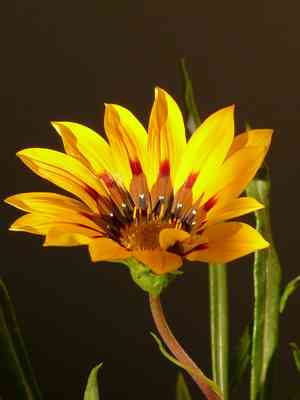
This eye-catching decorative plant, flaming sword bromeliad, thrives with infrequent trimming to eliminate deceased or decaying leaves and withered flower stalks. Snip off discolored or browned foliage to preserve its appearance and stimulate fresh development. Trimming can occur at any point throughout the year, consistent with the plant's perennial characteristics. Refrain from severing green, robust sections, as this could damage the plant. Pruning improves air circulation, lowers the chance of illness, and fosters robust growth, guaranteeing flaming sword bromeliad's brilliant presentation.
Advantages of Trimming Flaming Sword Bromeliad
Advantages of Trimming Flaming Sword Bromeliad
Trimming flaming sword bromeliad promotes blooming, stimulates growth, and maintains a manageable size â crucial for both visual appeal and plant health. Regular cutting helps flaming sword bromeliad channel energy into vigorous and dense new growth.
Optimal Period for Pruning Flaming Sword Bromeliad
Optimal Period for Pruning Flaming Sword Bromeliad
Pruning flaming sword bromeliad is suitable in any season due to its continuous growth. Removing faded flowers and dead or damaged leaves encourages healthy development and improves appearance. Avoid pruning during flowering to prevent reducing the display. Pruning outside the bloom period ensures the plant's energy is directed towards new growth and overall well-being.
Necessary Tools for Pruning Flaming Sword Bromeliad
Precision Pruners
Given the delicate nature of flaming sword bromeliad, precision pruners with sharp, fine tips are advised for clean cuts without harming surrounding foliage.
Sterilizing Agent
To prevent disease spread when pruning flaming sword bromeliad, it's essential to use a sterilizing agent like alcohol or a bleach solution to clean tools before and after use.
Gloves
Wearing gloves is important to shield hands from sharp edges and the sap of flaming sword bromeliad, which might cause skin irritation.
Long-Handled Scissors
When reaching into tight spaces between flaming sword bromeliad leaves, long-handled scissors offer the necessary reach and control for pruning without harming the plant or the gardener.
How to Prune Flaming Sword Bromeliad
Step1: Prepare and Sanitize Pruning Tools
Gather the required tools for pruning flaming sword bromeliad, including sharp, clean pruning shears or scissors, gloves for hand protection, and isopropyl alcohol for sanitizing cutting tools before and after use to prevent disease transmission.
Step2: Locate Dead Leaves on Plant
Identify dead leaves on flaming sword bromeliad by looking for brown, yellowed, or withered foliage. These leaves are typically found at the plant's base or within the central rosette and no longer contribute to flaming sword bromeliad's health.
Step3: Remove Dead Leaves from Base
Carefully remove dead leaves by gently pulling them from the plant's base. If they don't detach easily, use sterilized shears to make a clean cut where the dead leaf meets healthy tissue. Avoid damaging healthy leaves or the central rosette.
Step4: Examine Outer Leaves for Damage
Assess the outer leaves of flaming sword bromeliad for signs of damage, such as discoloration, wilting, or tears. Healthy outer leaves should remain intact as they protect the central rosette and support the plant's overall health.
Step5: Trim Damaged Outer Leaves
Trim any damaged outer leaves by cutting them at their base where they connect to the main plant. Make a clean, angled cut to allow water to drain from the cut surface, reducing the risk of rot or disease.
Step6: Check Plant for Spent Blossoms
Inspect flaming sword bromeliad for spent blossoms, which are flower stalks that have finished blooming and are beginning to brown or dry out. Spent blossoms detract from the plant's appearance and can deplete energy from flaming sword bromeliad if left in place.
Step7: Prune Spent Blossoms at Base
Prune spent blossoms by locating the base of the flower stalk and making a precise cut with sterilized shears to remove the entire stalk. Cut as close to the base as possible without damaging the central rosette or surrounding leaves.
Step8: Shape Plant by Trimming Outer Leaves
Shape flaming sword bromeliad if needed by selectively trimming outer leaves to maintain a balanced, attractive appearance. Use your shears to shorten any disproportionately long outer leaves, ensuring they complement the rosette's natural shape and symmetry.
Step9: Dispose of Plant Trimmings
Properly dispose of all trimmings, keeping your work area clean to avoid attracting pests or promoting disease. Compost plant material if possible, unless it shows signs of disease or pest infestation, in which case it should be disposed of with household waste.
Step10: Post-Pruning Plant Care
After pruning, care for flaming sword bromeliad by providing adequate light, water, and humidity to support its recovery and continued growth. Avoid overwatering and ensure the central rosette remains dry to prevent rot.
Step11: Monitor Plant for Post-Pruning Stress
Regularly monitor flaming sword bromeliad for any signs of stress or disease after pruning. By closely observing the plant, you can promptly address potential issues and maintain the health and beauty of flaming sword bromeliad.
Aftercare for Flaming Sword Bromeliad Post-Pruning
Aftercare for Flaming Sword Bromeliad Post-Pruning
Immediately after pruning flaming sword bromeliad, ensure clean cuts to aid healing. Place the plant in bright, indirect light, maintain high humidity, and keep the temperature between 70-80°F to minimize stress. Water sparingly to prevent rot, and apply a balanced, diluted fertilizer to support recovery. Regularly inspect pruned areas for signs of stress, such as wilting or discoloration. If infection signs appear, promptly apply a fungicide and remove any affected areas to prevent spread.
Common Pruning Errors with Flaming Sword Bromeliad
Avoid Pruning Healthy Leaves
Pruning healthy, live leaves of flaming sword bromeliad can weaken the plant and diminish its aesthetic appeal. Only damaged or dead foliage should be removed.
Do Not Cut Central Cup or Rosette
Cutting off the central cup or rosette of the flaming sword bromeliad during pruning attempts. This can lead to accidental damage that impairs the plantâs ability to collect water and nutrients.
Use Clean, Sharp Pruning Tools
Using dull or dirty pruning tools on flaming sword bromeliad can cause jagged cuts prone to infection and may spread disease to other parts of the plant or even to other plants.
General Pruning Advice for Flaming Sword Bromeliad
Sanitize Tools for Clean Cuts
Always use clean, sharp scissors or pruning shears for flaming sword bromeliad to make precise cuts and prevent infection. Disinfect tools before use to minimize disease transmission risk.
Prune Only Brown or Yellowed Leaves
For healthy growth and appearance, prune flaming sword bromeliad by removing only the brown or yellowed leaves at the plant's base. Make cuts close to the central rosette, but do not damage it.
Trim Spent Flower Spike After Blooming
Once flaming sword bromeliad has finished flowering, cut the spent flower spike as close to the base of the bloom as possible without harming the foliage. This encourages the plant to focus energy on producing offsets, also known as 'pups'.



